1900s
Since its founding in 1906, Alpha Phi Alpha Fraternity, Inc. has supplied voice and vision to the struggle of African Americans and people of color around the world.
The Fraternity initially served as a study and support group for minority students who faced racial prejudice, both educationally and socially, at Cornell. The founders and early leaders of the Fraternity succeeded in laying a firm foundation for Alpha Phi Alpha's principles of scholarship, fellowship, good character, and the uplifting of humanity.
The Founding Jewels of Alpha Phi Alpha Fraternity, Inc. were no ordinary achievers. Given racial attitudes in 1906, their accomplishments were monumental. When the half-dozen African American students at Cornell University during the school year 1904-05 did not return to campus the following year, the incoming students in 1905-06, in founding Alpha Phi Alpha, were determined to bind themselves together to ensure that each would survive in the racially hostile environment. In coming together with this simple act, they preceded by decades the emergence of such on-campus programs as Affirmative Action and Upward Bound. The students set outstanding examples of Scholarship, Leadership and Tenacity, preceding the efforts even of the NAACP and similar civil rights organizations.
- 1906
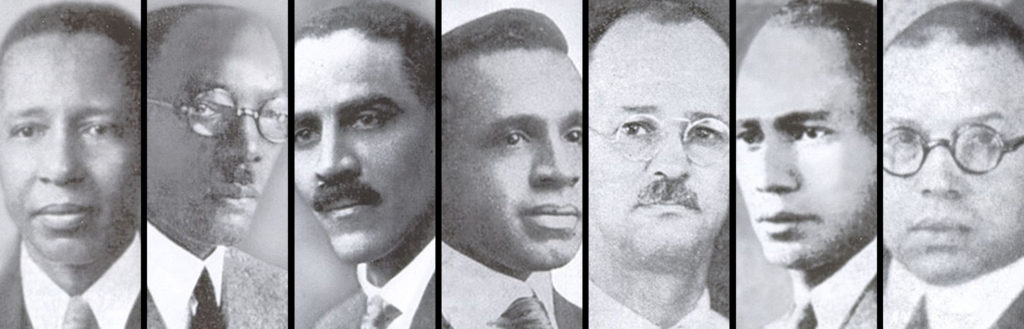
Alpha Phi Alpha Fraternity was founded on December 4, 1906.
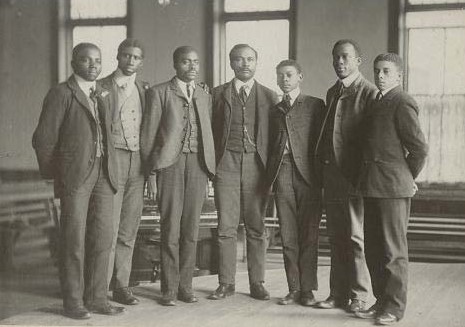
Alpha Phi Alpha, the first intercollegiate Greek-letter fraternity established for African American Men, was founded at Cornell University in Ithaca, New York by seven college men who recognized the need for a strong bond of brotherhood among African descendants in this country. The visionary founders, known as the "Jewels" of the fraternity, are Henry Arthur Callis, Charles Henry Chapman, Eugene Kinckle Jones, George Biddle Kelley, Nathaniel Allison Murray, Robert Harold Ogle, and Vertner Woodson Tandy.
- 1909
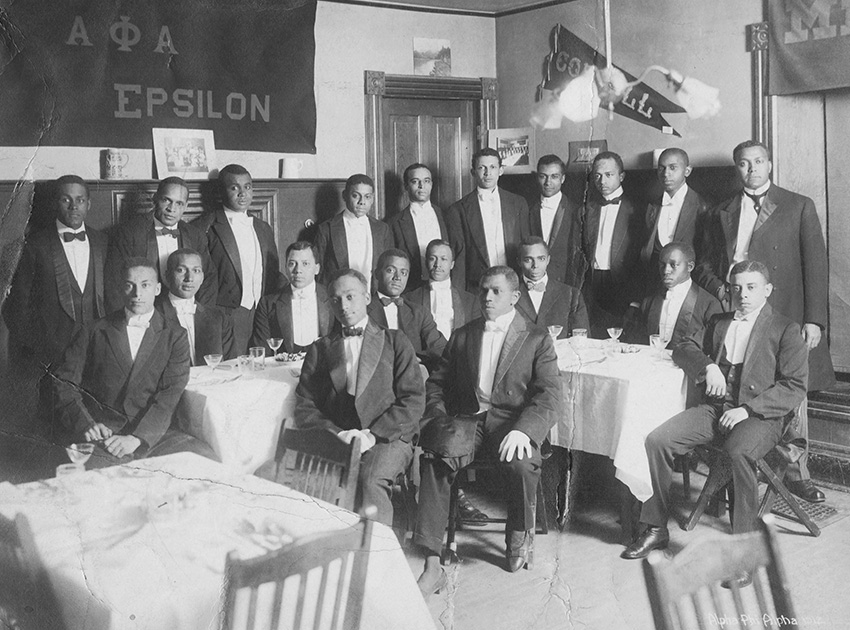
The fifth college chapter, Epsilon, was established by Jewel Henry Arthur Callis on the campus of the University of Michigan, Ann Arbor, Michigan.
One of the charter members, Stephen D. Sparks, would later become a charter member of the Gamma Lambda Chapter. Some of the members initiated in 1909, including Cornelius L. Henderson, Lindsay E. Johnson, Moses E. Morton, James L. Henderson, Charles H. Mahoney and Charles H. Roxborough (Honorary) also became charter members of Gamma Lambda. Scholar Dr. W.E.B. Dubois was also initiated into Alpha Phi Alpha Fraternity as an Honorary member.
1910s
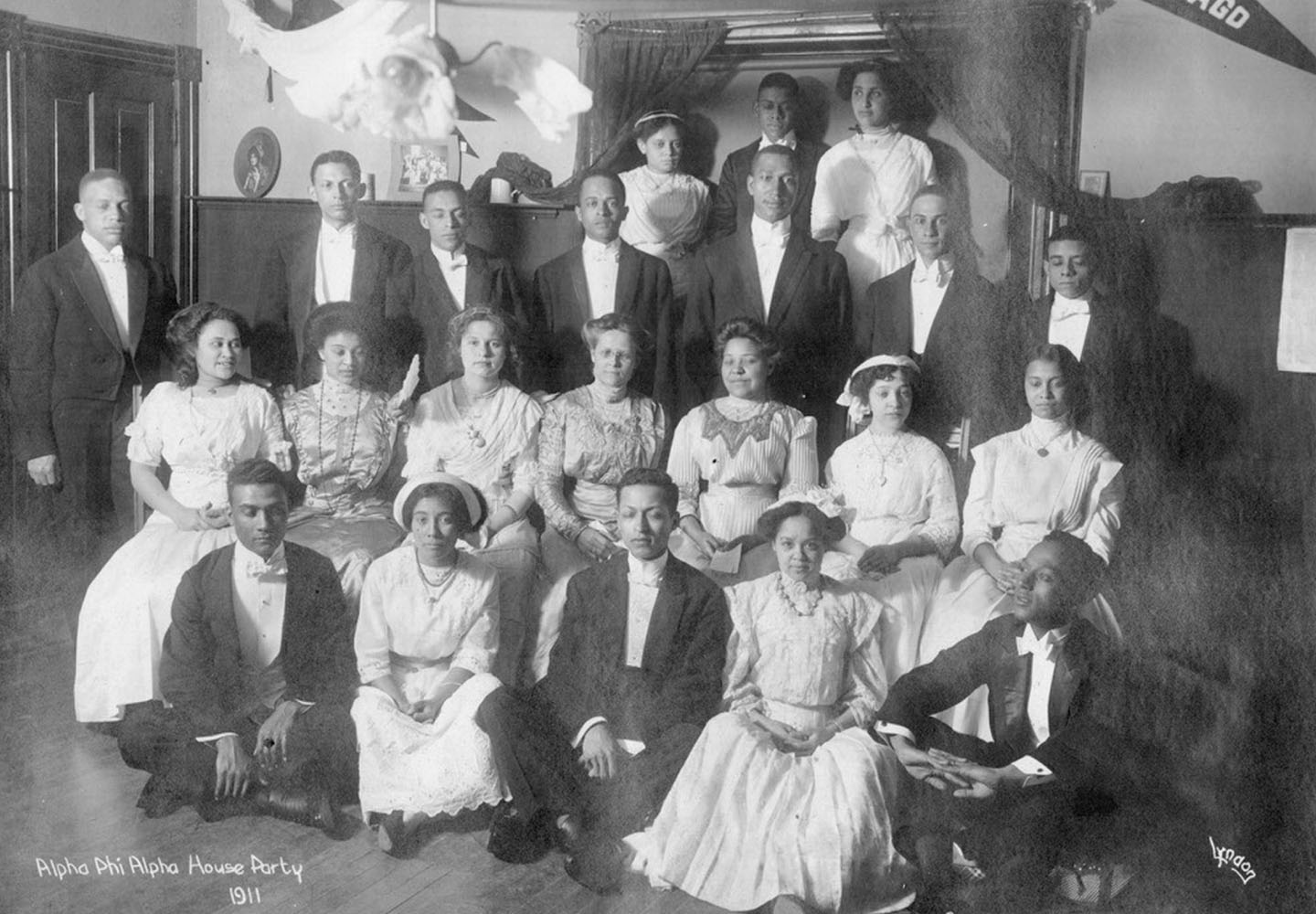
The population of African Americans in the Detroit area increased quickly due to The Great Migration.
The Detroit community at this time was populated with a number of successful Alpha brothers, many of whom had matriculated through the University of Michigan and other universities, earning undergraduate and graduate degrees in medicine and law. On account of the close proximity of Detroit and Epsilon Chapter in Ann Arbor, many brothers set up their practices and settled down with families in our fair city. As a result, the City of Detroit could boast of an unofficial chapter prior to its installation.
- 1911
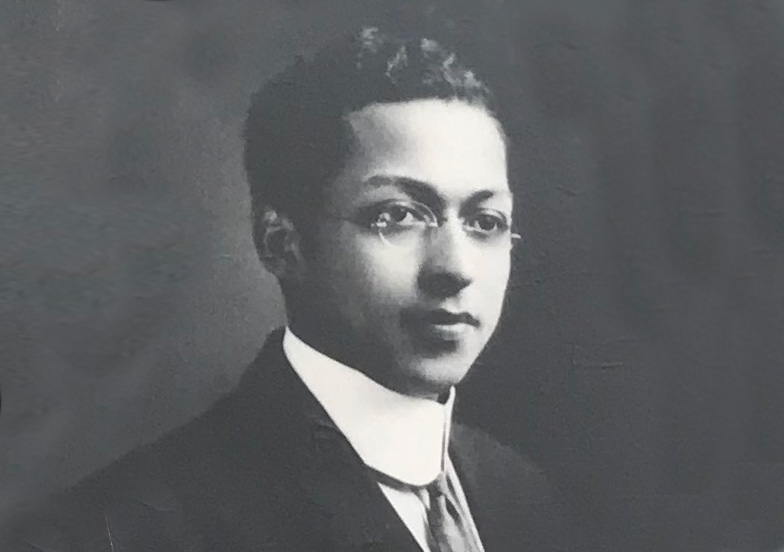
The first graduate chapter, Lambda Chapter, was established in Louisville, Kentucky.
On April 11, 1911, Brother Richard Hill, with the assistance of Jewel Eugene Kinckle Jones, established the first graduate chapter of Alpha Phi Alpha. The decision to establish a graduate chapter was met by opposition from the National Body. The opinion of the Brothers at that time was that the Fraternity was for undergraduates only.
- 1912
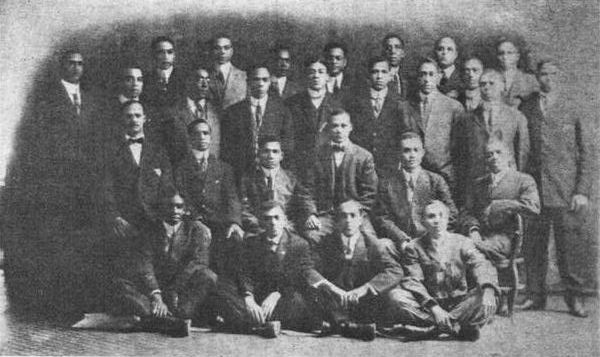
Fifth General Convention and First Alumni Reunion met at the seat of Kappa Chapter, Ohio State University, Columbus, Ohio.
At the Fifth General Convention and First Alumni Reunion, on December 26, 1912, a recommendation was made for a graduate chapter at Louisville, Kentucky, proposing that this chapter should be known as "Alpha Lambda Chapter (Lambda signifying a graduate chapter) and that all other graduate chapters be named in alphabetical order, Beta Lambda, Gamma Lambda, etc." This recommendation was adopted and has laid the basis of the system which has been followed in the establishment of graduate chapters since this period.
- 1914
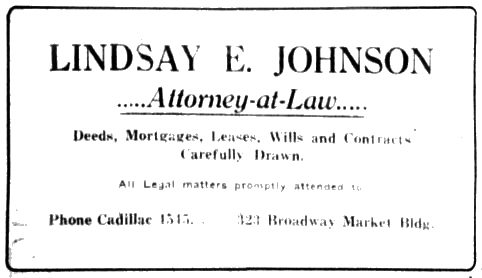
The law firm of Johnson and Mahoney was formed.
In the early 1900s, Black lawyers were routinely denied rental office space in certain sections of the city. Brother Lindsay E. Johnson was forced to take a high-priced office in another part of the city. This led him to form a partnership with fellow Epsilon brother Charles H. Mahoney, a 1911 graduate of the U-M Law School.
- 1914
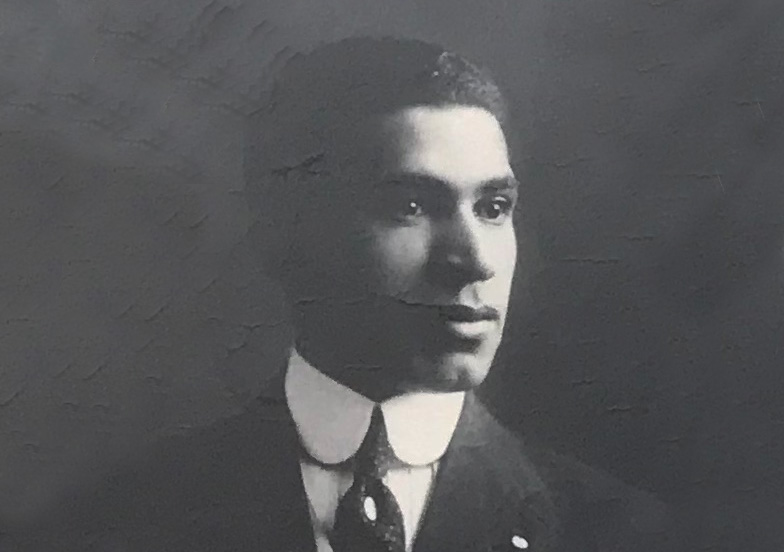
Brother Stephen D. Sparks was elected to the office of General Treasurer
On December 29, 1914 at the Seventh General Convention in Chicago, Illinois, Brother Stephen D. Sparks, charter memeber of the Epsilon Chapter, was elected General Treasurer. He served during the 1915 fraternal year.
- 1915
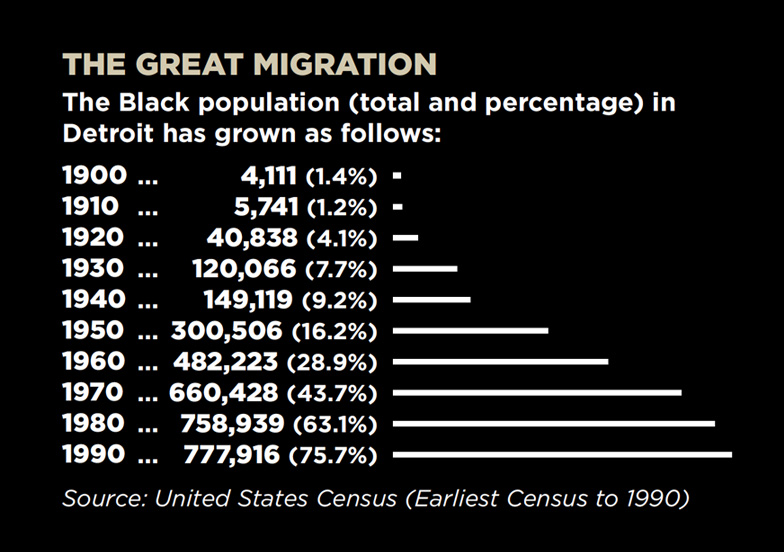
The Great Migration from the rural South continues.
Mass production of autos, opportunities for work, repressive Jim Crow laws and lynchings in the south drove thousands of African Americans to northern cities like Detroit. The African American population in Detroit would soar from 5,700 in 1910 to almost 150,000 by 1940. Alpha Phi Alpha would emerge to address the leadership needs of our community.
- 1916
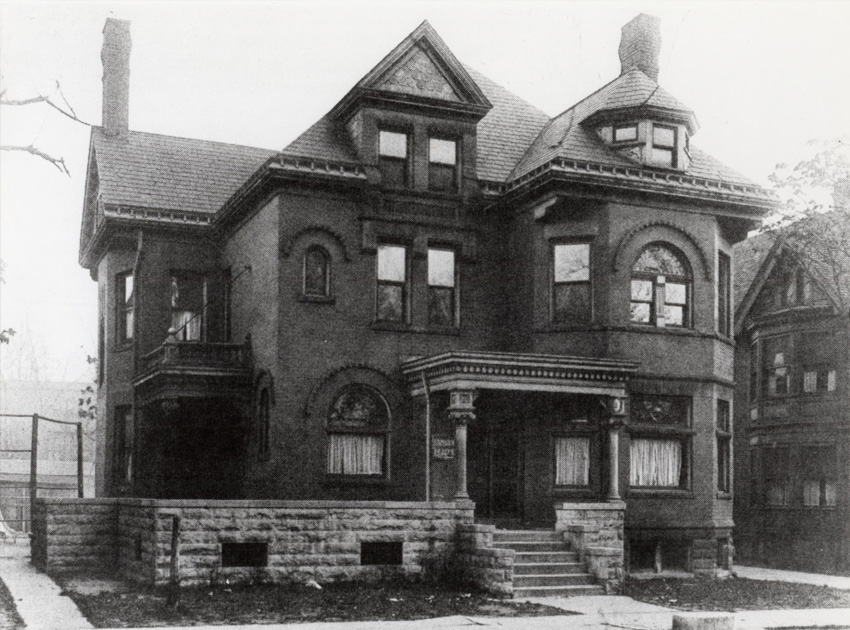
The Detroit Urban League began its work.
At the time, the Detroit Urban League was a clearinghouse for social services among Black men and women, who were part of the great migration of Black families from the rural South. The first community center operated by the Detroit Urban League was the Columbia Community Center, which opened in 1919. This center was an early meeting place of Gamma Lambda prior to the purchase of the Alpha House. Brother John C. Dancy, Jr. served as Executive Director of the Detroit Urban League for 42 years (1918 - 1960), followed by Brother Dr. Francis A. Kornegay for the next 18 years (1960 - 1978).
- 1917

The Iota BoulÉ of Sigma Pi Phi was founded in Detroit, Michigan.
Founders and early members included Dr. Parker B. Gamble, Dr. Alexander Turner, Percival R. Piper, Atty. Oscar Baker, Dr. Peyton Johnson, Atty. Lloyd Loomis, Cornelius L Henderson, Dr. James L Henderson, and Dr. Albert Cleage.
- 1918
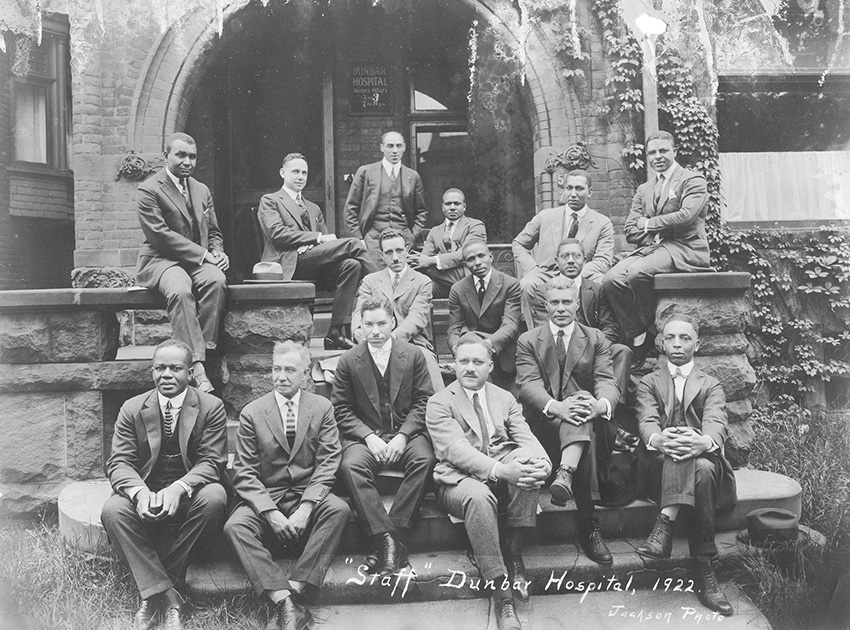
The Allied Medical Society (the precursor to the Detroit Medical Society) was founded on May 20, 1918.
30 Black physicians, including Dr. Alexander Turner and Dr. James Ames, founded the Allied Medical Society to provide support and raise funds to establish a hospital to care for the Black citizens of Detroit.
- 1919
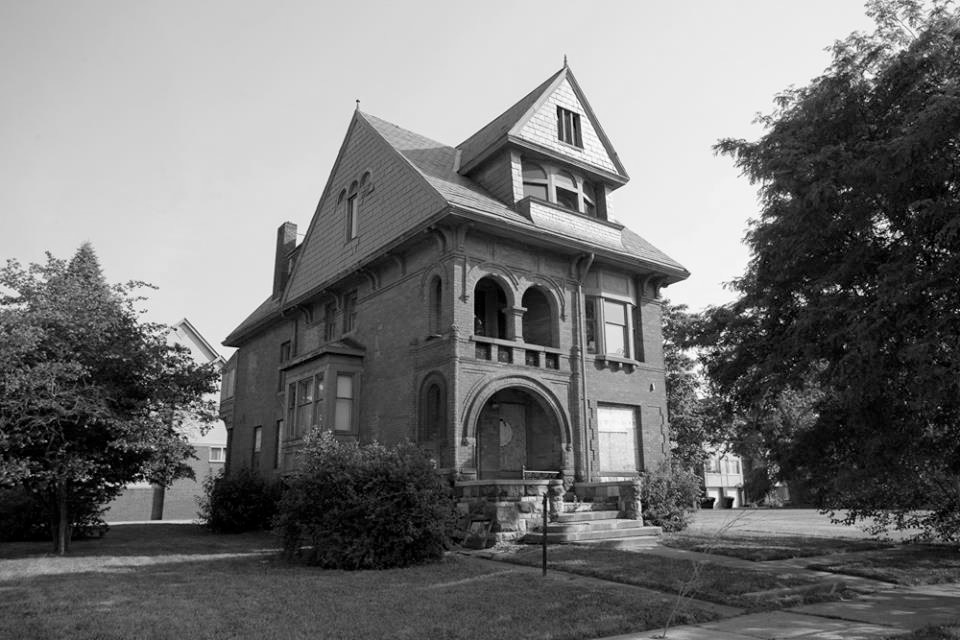
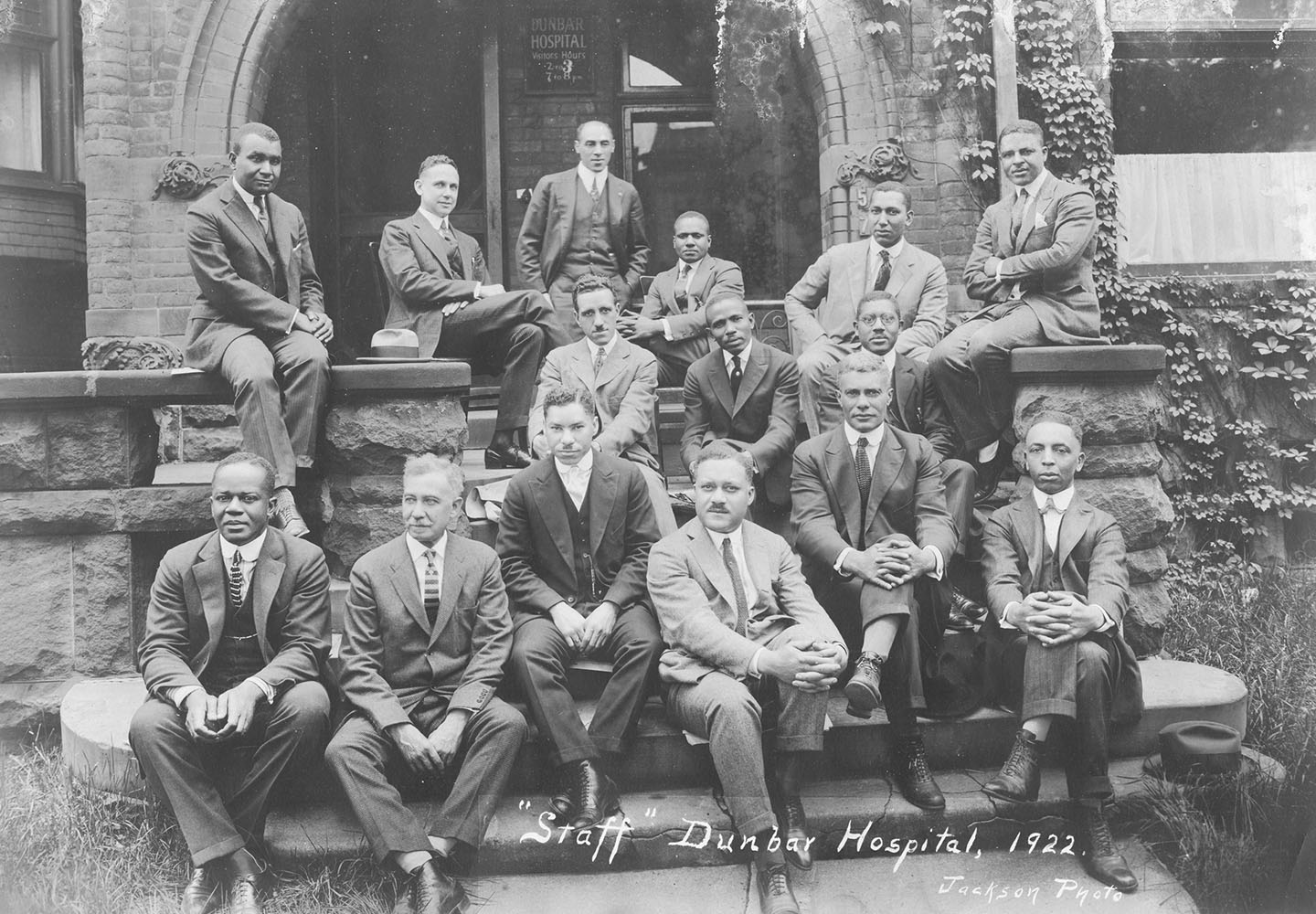
Members of the Allied Medical Society incorporated Dunbar Hospital, Detroit's first nonprofit hospital for the Black community.
This hospital, located at 580 Frederick Avenue, was named after the famous poet/novelist Paul Laurence Dunbar. The hospital was later moved to Brush and Illinois and was renamed Parkside Hospital, which operated under that name until 1962. Founding members included Dr. Alexander Turner, Dr. Parker Gamble, Dr. Frank P. Raiford, Dr. Herbert E. Simms, Dr. Moses E. Morton, and Dr. James L. Henderson.
- 1919
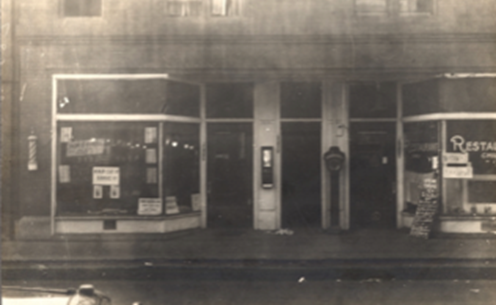
An organization meeting with Alpha Phi Alpha alumni living in Detroit was held.
On February 1, 1919, a meeting was held at the office of Dr. Moses E. Morton and Dr. James L. Gregory at 1721 St. Antoine Street office. On account of the proximity of Epsilon Chapter at the University of Michigan, Detroit was constantly favored with the presence of many Alpha Phi Alpha Men, and as a result the city could boast of an unofficial chapter prior to its installation. At this meeting, the following brothers were present: John H. Alexander, Ulysses S. Cary, Charles H. Campbell, Elmer J. Cheeks, James L. Henderson, Cornelius L. Henderson, Stephen D. Sparks, and Moses E. Morton. Shortly afterward, an application for a charter for a Detroit Chapter was sent to the General Organization.
- 1919
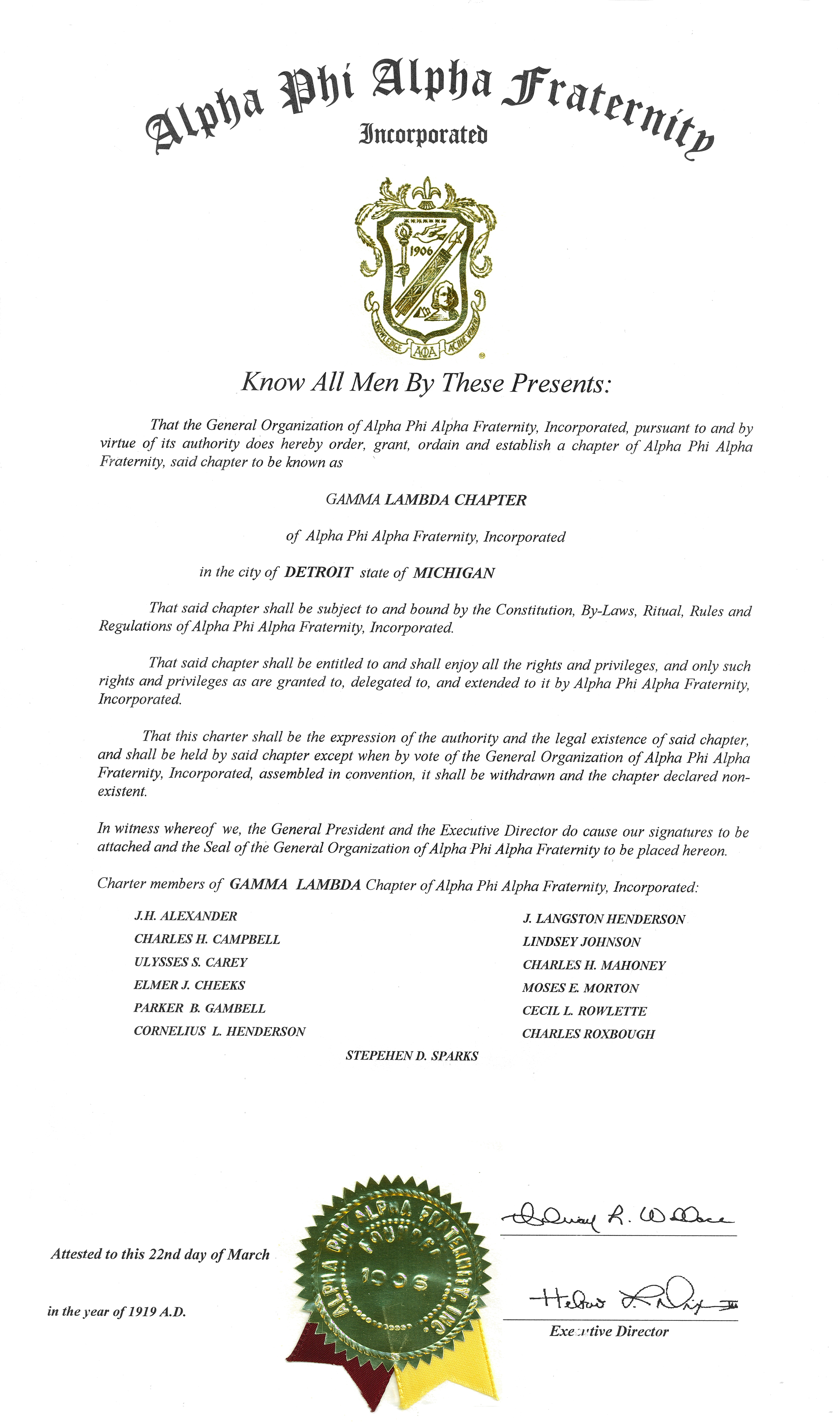
An application for a charter was submitted to the General Organization.
On February 17, 1919, Brother Elmer J. Cheeks was authorized to establish Chi Chapter in Detroit, Michigan.
- 1919
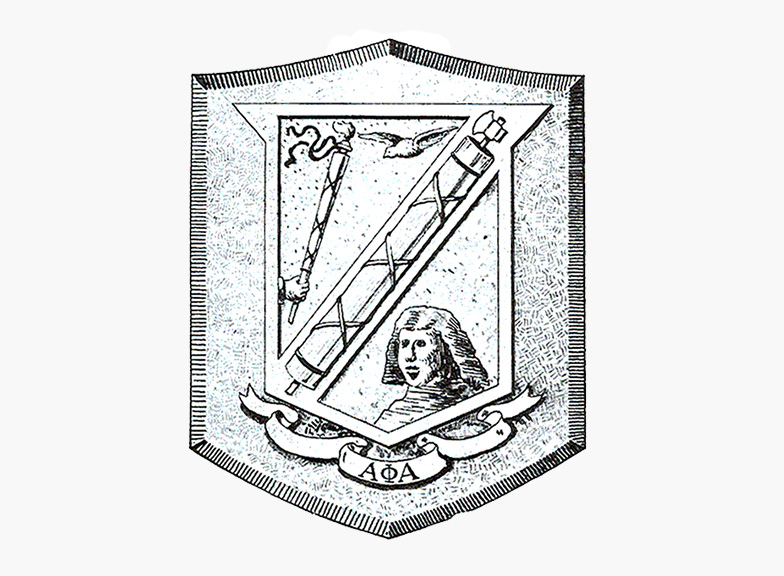
Gamma Lambda Chapter, the third graduate chapter of Alpha Phi Alpha Fraternity, Inc. was established in Detroit, Michigan.
On March 22, 1919, the chapter was officially installed. The charter members were John H. Alexander, Charles H. Campbell, Ulysses S. Cary, Elmer J. Cheeks, Parker B. Gamble, James L. Henderson, Cornelius L. Henderson, Lindsay E. Johnson, Charles H. Mahoney, Moses E. Morton, Cecil L. Rowlette, Charles A. Roxborough and Stephen D. Sparks. The chapter was originally installed as Chi Chapter, later renamed Gamma Lambda Chapter.
- 1919
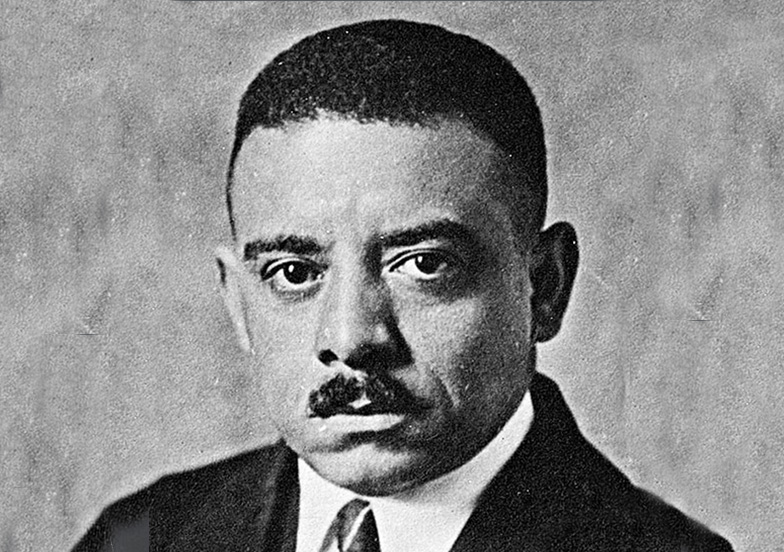
Brother James Langston Henderson elected first Gamma Lambda chapter president.
The other officers elected were Brothers Elmer J. Cheeks, secretary; Moses E. Morton, assistant secretary; and Ulysses S. Cary, treasurer.
1920s
Detroit, like other northern cities, was not the land that had been promised. Racism, discrimination, and segregation existed in the north too. In some cases, this took similar forms as in the south. Organized racist and supremacist groups terrorized Blacks as well as Catholics, Jews, and others, and provoked or conducted violence towards these groups for years between the 1920s and 1940s.
Despite persistent racism, segregation, and discrimination in many areas of life, African Americans found companionship, community, and opportunity in the Black Detroit neighborhoods of Paradise Valley, Black Bottom, and Brush Park. African American businesses were concentrated in this area and Black networks and institutions such as churches, the Detroit Urban League, and the Black branches of the YWCA and YMCA supported residents of these neighborhoods.
Between 1920 and 1930 the fraternity was in a period of growth. By the end of the decade, the number of chapters had increased to eighty-five and numbered more than three thousand members.
- 1920
Gamma Lambda meeting place is moved
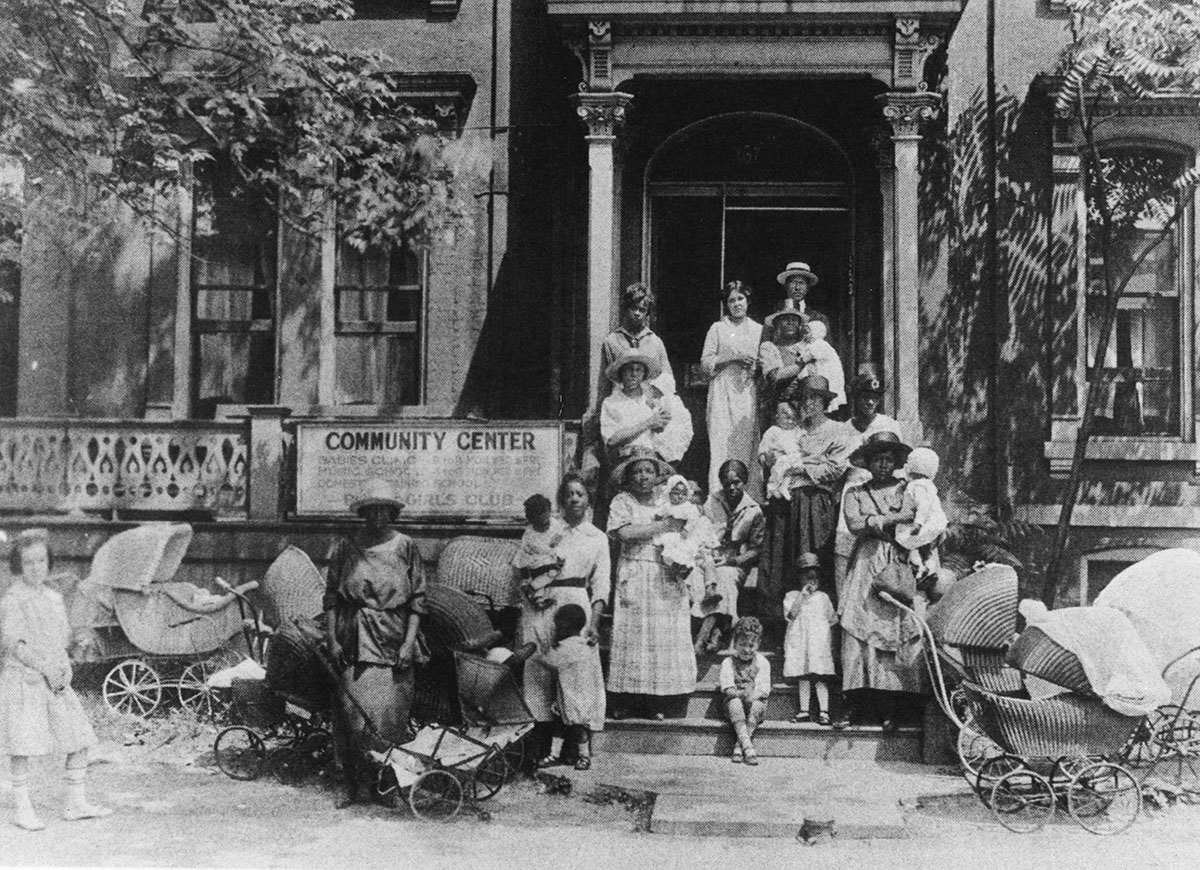
The meeting place of the Gamma Lambda Chapter was moved to Columbia Community Center at 553 Columbia Street. The meeting place was then moved to the Russell House and later to the Knights of Pythias Hall on Adams and Brush Streets.
- 1920
The first Gamma Lambda Chapter initiation was held.
The first initiation was held at the Columbia Community Center. The first chapter initiates were C. Henri Lewis, Jr., Chester Ames, John Dancy, and Glover Lange. Later that same year, Forrester B. Washington, Orin E. Thompson, Max W. Johnson, J.W. Willis, Lloyd A. Loomis and W.H. Plummer were initiated.
- 1920
Brother Elmer J. Cheeks elected General Vice-President at the Thirteenth General Convention.
Brother Cheeks was appointed to the Finance Committee on Rules and Credentials at the Thirteenth General Convention in December 1920 in Kansas City, Missouri. He was also elected General Vice-President at that convention. He served during the 1921 fraternal year.
- 1920
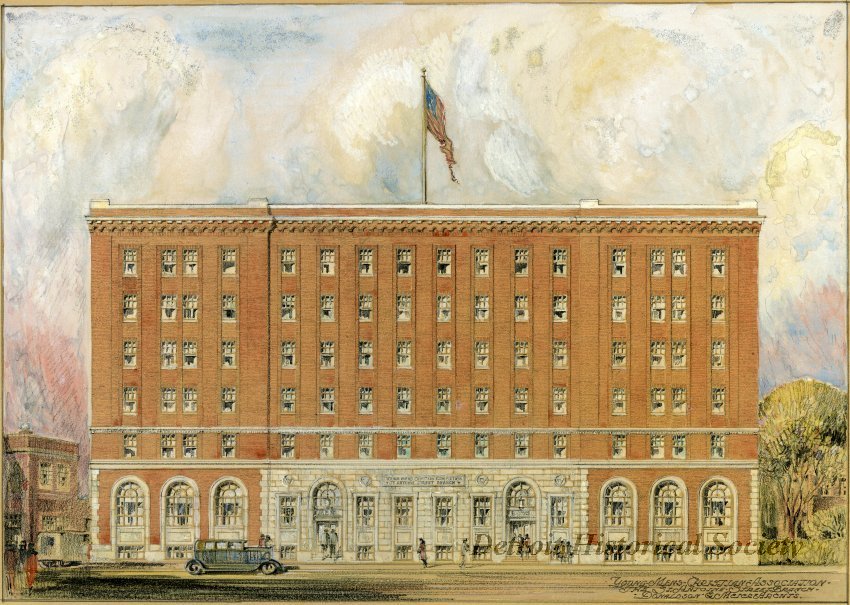
The St. Antoine Street branch of the YMCA (successor to the Douglass Institute) was organized in 1920 to meet the cultural and recreational needs of the Black community.
Ground was broken for a new building on April 6, 1924, at St. Antoine and Elizabeth. From its inception the St. Antoine branch served as the center of cultural activities for the black community. Through the decades, numerous brothers from the Gamma Lambda chapter served on the Board, and Brother Henry S. Dunbar served as Executive Director from 1920 until 1931.
- 1922
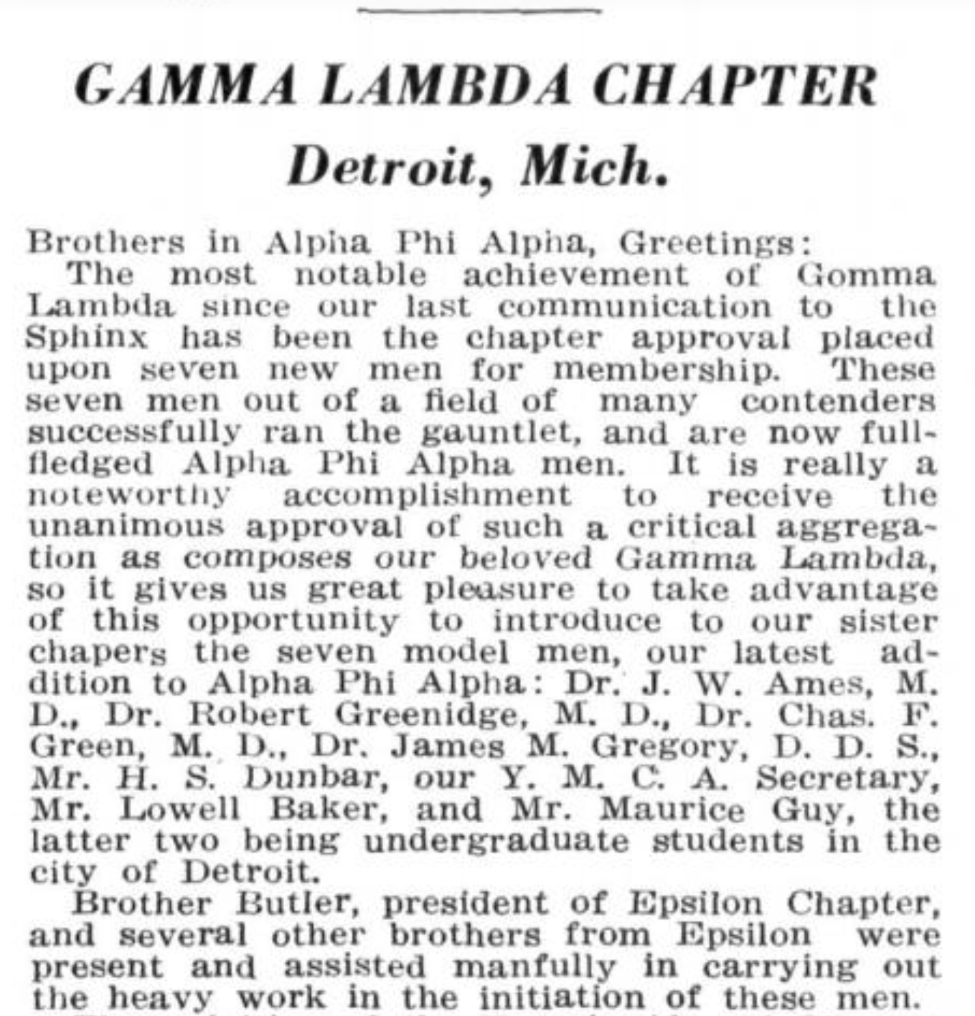
The Gamma Lambda Chapter announced the initiation of seven men through a letter in the May 1922 edition of The SPHINX.
The Brothers initiated were James W. Ames, Robert L. Greenidge, Charles F. Green, James M. Gregory, Henry S. Dunbar, Lowell W. Baker, Jr., and Maurice Guy.
- 1923
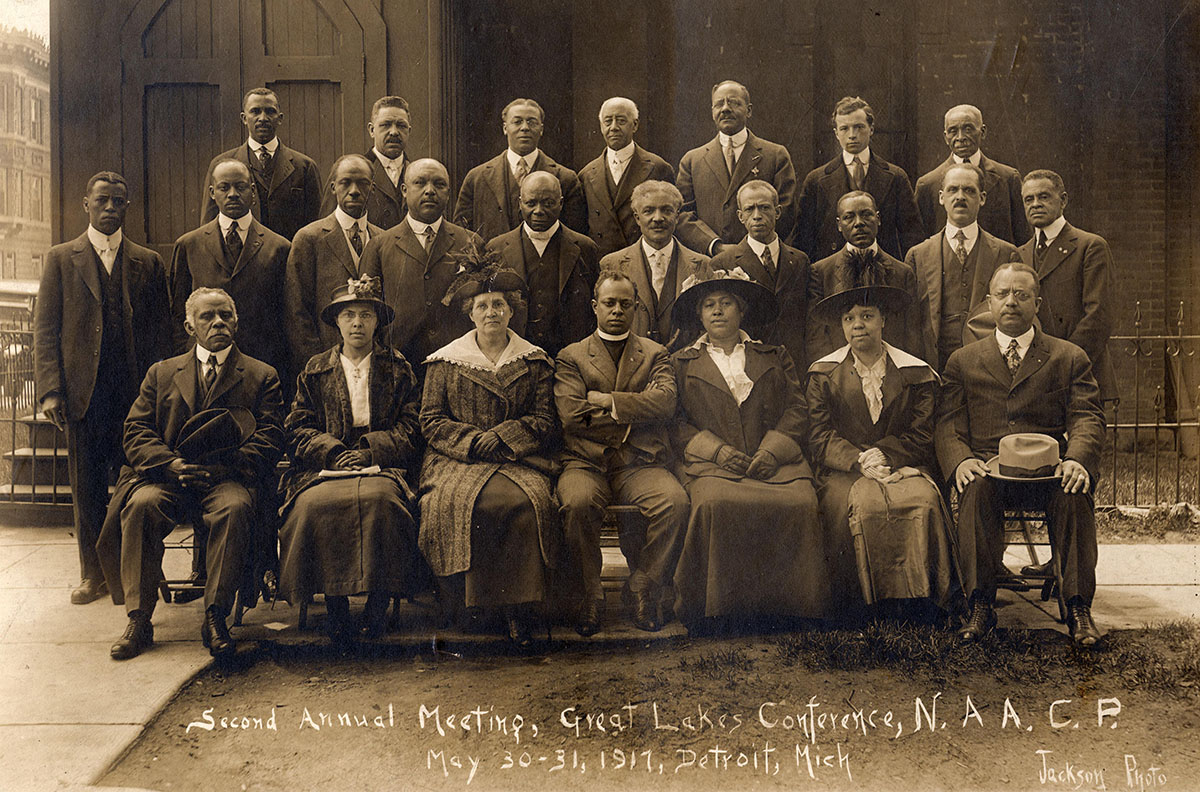
Alpha Phi Alpha supports the NAACP's Anti-Lynching Legislative initiatives.
Alpha Phi Alpha adopted a resolution introduced at the Sixteenth General Convention in Columbus, Ohio by Committee Chair Brother Percival R. Piper to give direct and financial support to the NAACP's Anti-Lynching Legislative initiatives.
- 1925
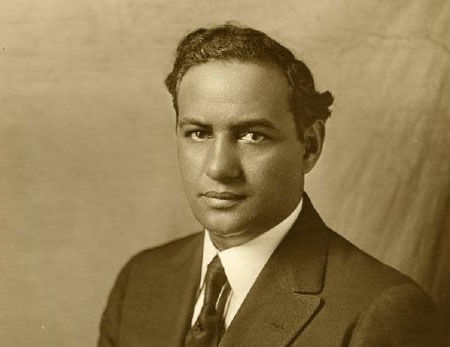
Gamma Lambda Brothers provide legal counsel for Ossian Sweet.
Brother Charles H. Mahoney and Brother Cecil L. Rowlette served as assistant legal counsel for Ossian Sweet during his trial in the mid-1920s. Dr. Sweet was an African American physician in Detroit, Michigan who was charged with murder in 1925 after he and friends used armed self-defense against a hostile white crowd protesting his moving into their neighborhood. The NAACP provided assistance for the defense of Sweet and his co-defendants with famed attorney Clarence Darrow. Charges against them were eventually dismissed.
- 1925
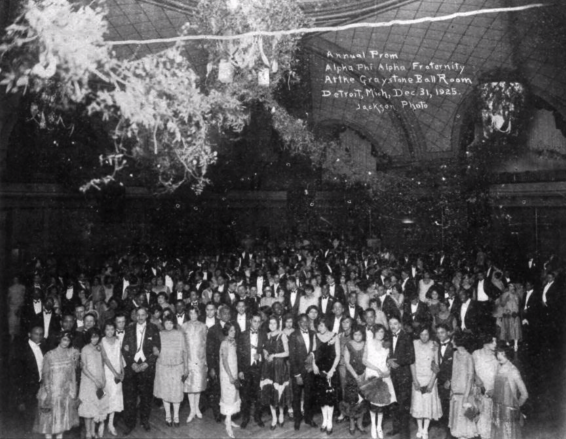
Eighteenth General Convention was hosted by the Gamma Lambda Chapter
The Eighteenth General Convention was hosted by the Gamma Lambda Chapter on December 27-31, 1925 in Detroit, Michigan. Total chapters participating were 36. Among the highlights were the Prom at the Graystone Ballroom and the banquet, which was held at the Y.M.C.A.
- 1925
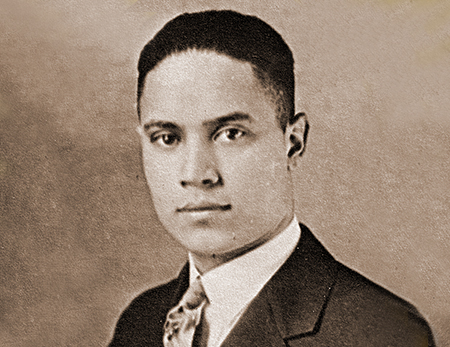
Brother Percival R. Piper elected General Treasurer at the Eighteenth General Convention.
Brother Piper served from 1926-35.
- 1926
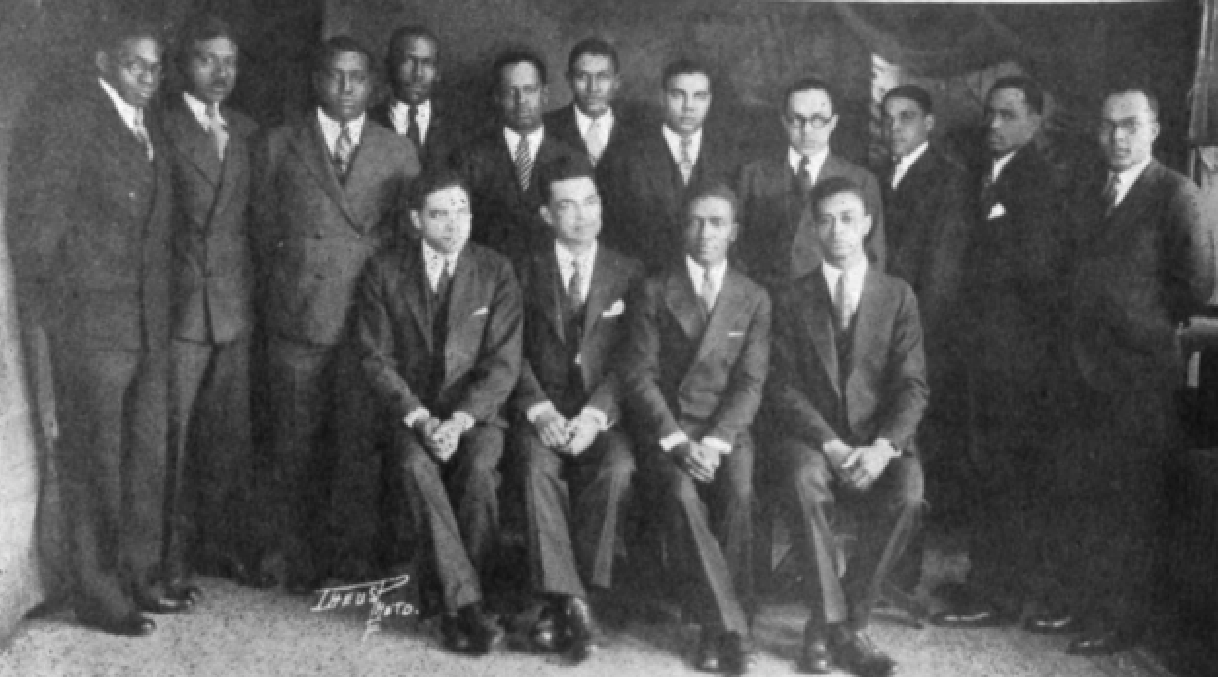
Alpha Upsilon Chapter chartered on the campus of Detroit City College in Detroit, Michigan.
The 41st college chapter, Alpha Upsolon, "The Gold Chapter" was chartered on March 30, 1926. Detroit City College was later renamed Wayne State University.
- 1926
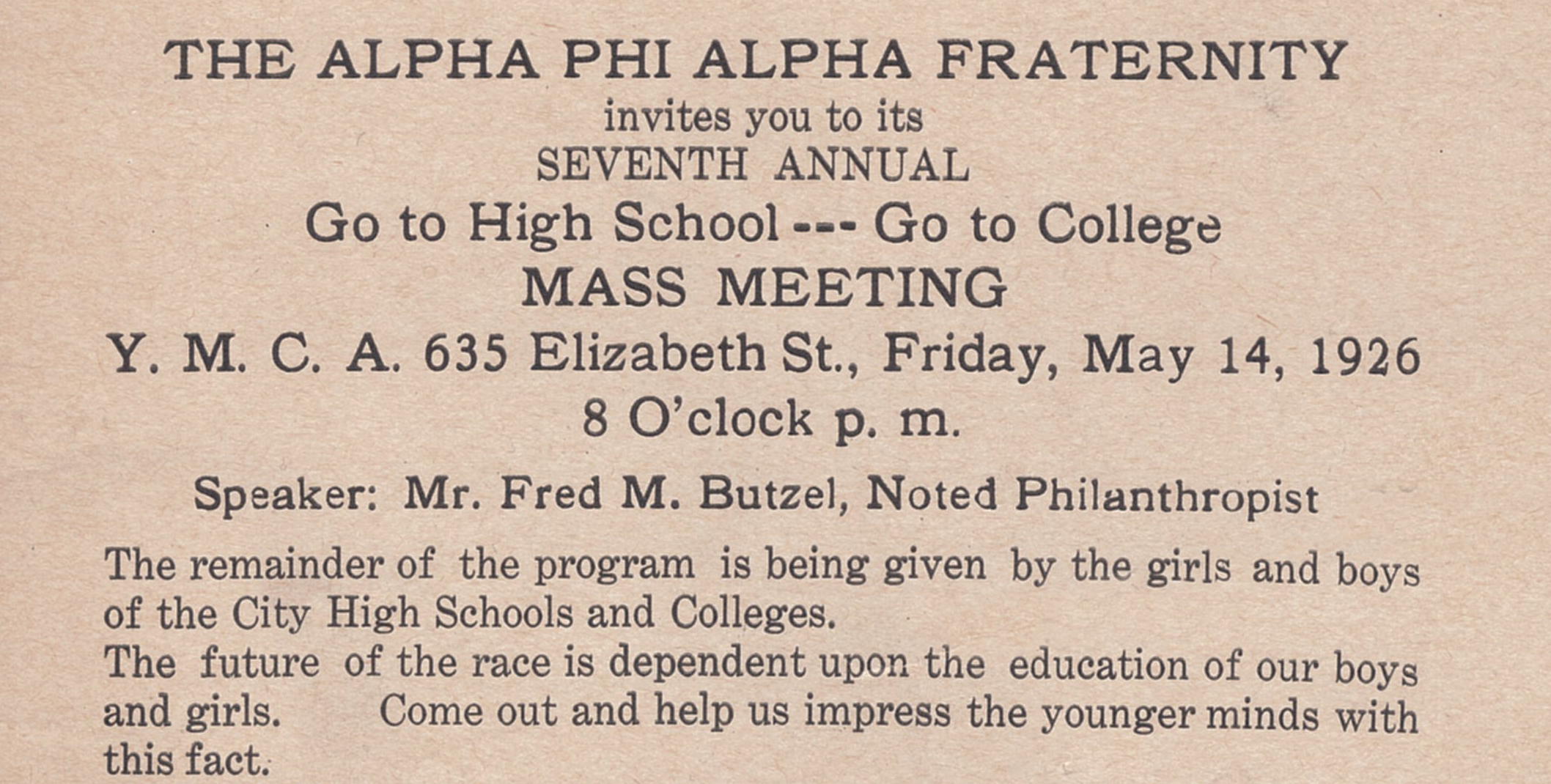
The Gamma Lambda Chapter was intensely working on the Go-to- High-School, Go-to- College program for "the betterment of colored folk" in the community every year since its 1919 founding.
During 1926, Gamma Lambda implemented the program in conjunction with the Detroit Urban League.
- 1929
The Ambassador Bridge between Detroit, Michigan and Windsor, Ontario opens.
Brother Cornelius L. Henderson, a pioneering steel engineer and architect at the Canadian Bridge Company in Walkerville, Ontario, helped construct two of the major crossings between the United States and Canada - the Ambassador Bridge in 1929, and the Detroit-Windsor Tunnel in 1930.
1930s
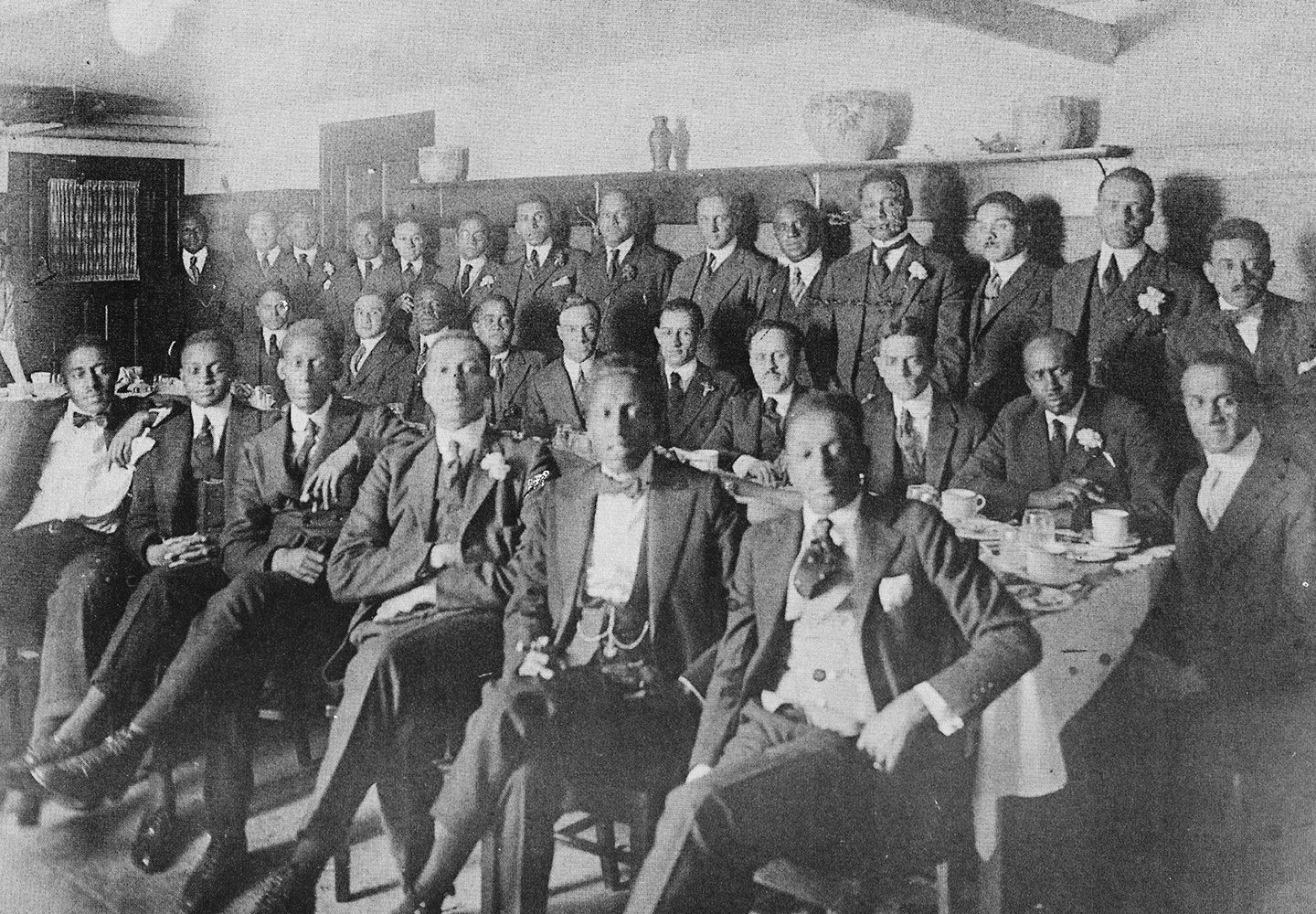
For most of the 1920s and 1930s, the Gamma Lambda Chapter did not have a permanent meeting location. The chapter met at locations operated by the organizations led by chapter brothers, including the Columbia Community Center and the Chestnut Community Center, both owned by the Detroit Urban League. Meetings were also held at various locations in Paradise Valley, including the old Knights of Pythias Hall and the Russell House Hotel.
Gamma Lambda, one of the larger and more established alumni chapters of Alpha Phi Alpha, and one of the influential Greek-letter organizations in Detroit, had the "tremendous" sum of thirty dollars in the treasury when a committee of brothers began working on the project to secure a house.
On May 15, 1939, the Alpha Phi Alpha Gamma Lambda Chapter purchased the house at 293 Eliot Street. The Alpha House is sacred ground for the hundreds of current members of Gamma Lambda Chapter, and for the thousands more who came before them. For these Alpha men, the fraternity house has always been more than a just a place for bonding and socializing.
- 1931
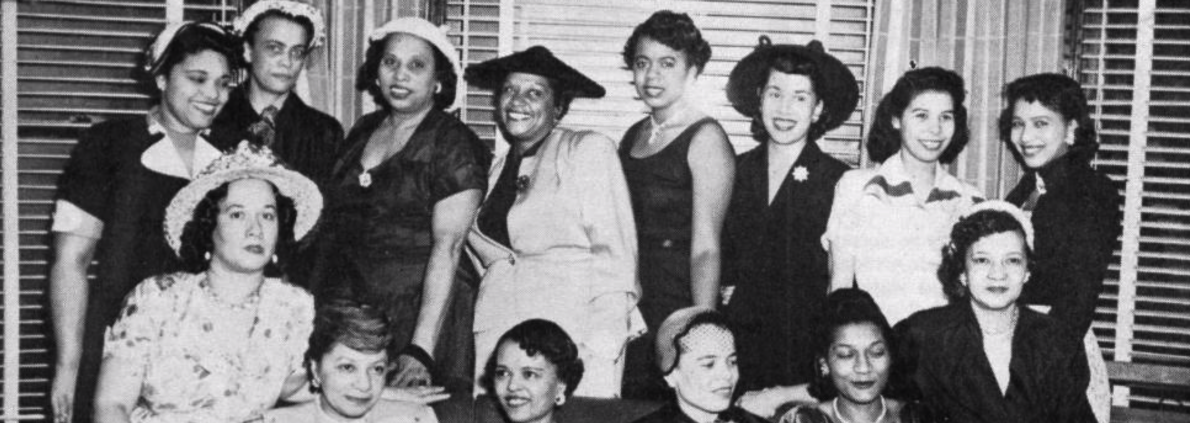
The Detroit Alpha Wives Auxiliary was established.
The Detroit Alpha Wives were established as an auxiliary to the Gamma Lambda Chapter. The purpose of this group has been to promote the growth and image of the fraternity, to support community service efforts, and promote unity and friendship among the Alpha Wives and their families. Mrs. "Teene" Johnson was the founding president and served as president for 22 years.
- 1931
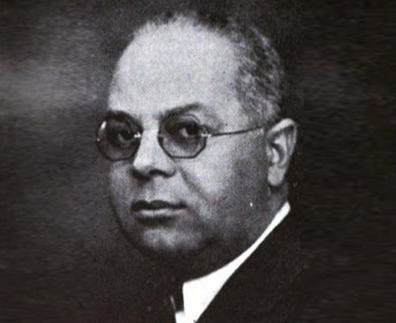
Brother Charles A. Roxborough elected to the Michigan State Senate.
Brother Charles A. Roxborough was elected to the Michigan State Senate, the first African American elected to this position.
- 1931
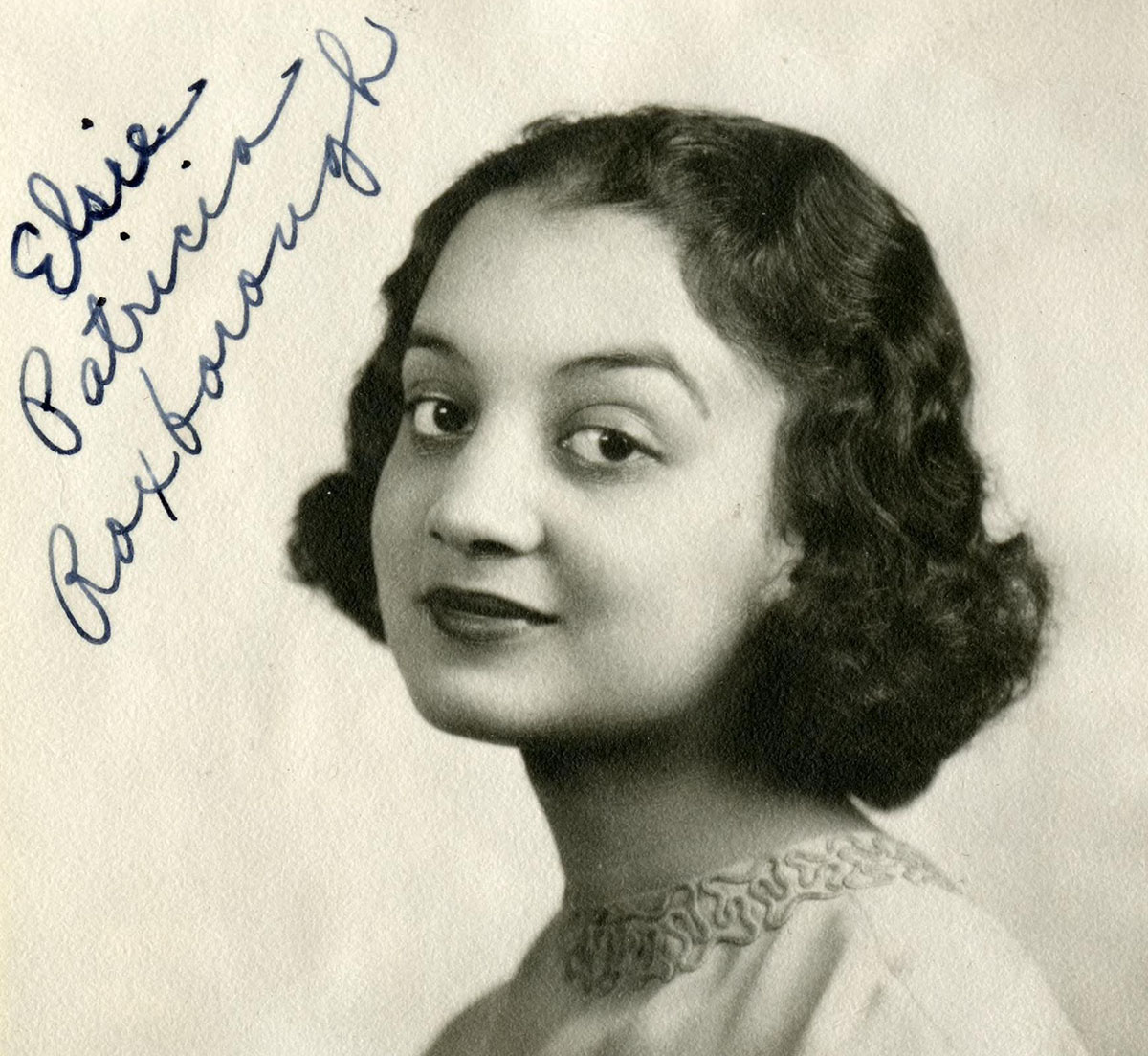
Activism helps to open dormitories to women at The University of Michigan.
African American students, parents, and alumni carried out a long battle to integrate the dorms on the campus of the University of Michigan. Brother Roxborough had pushed for an investigation into discrimination at U-M by introducing a Senate resolution, which was supported by Brother Oscar Baker and Brother W.E.B. DuBois. E'Dora Morton, daughter of Brother Moses E. Morton, and Elsie Roxborough, daughter of Brother Charles A. Roxborough III, were two of the first Black women to live in the dormitory. Continued activism succeeded in opening U-M dormitories to all women.
- 1934
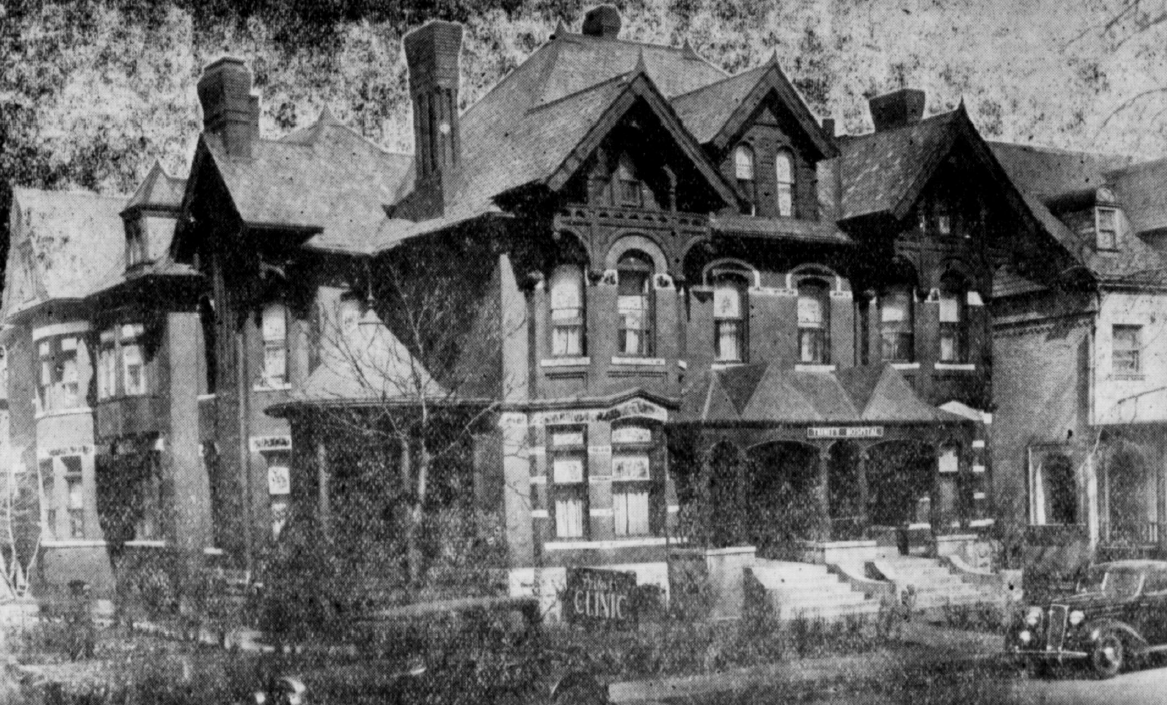
Trinity Hospital was founded.
Trinity Hospital was founded in 1934 by doctors W. Harold Johnson, Chester C. Ames, and Frank P. Raiford, Jr, all members of Gamma Lambda. The hospital had a dual purpose of housing and treating ill Black patients while also giving opportunities to Black doctors looking to complete their residency training.
- 1934
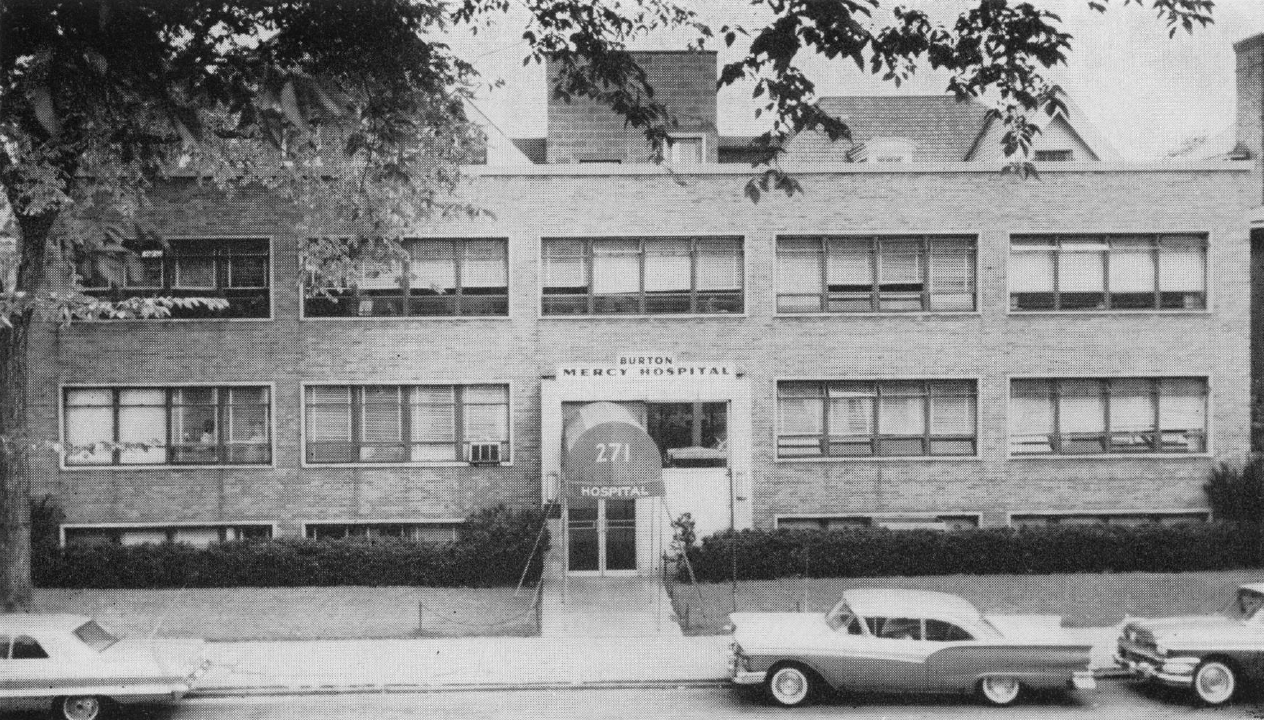
Wayne Diagnostic Hospital was founded at 271 Eliot Street.
Wayne Diagnostic Hospital, later renamed Burton Mercy, was founded in 1934 at 271 Eliot Street. It was one of the larger and more successful Black hospitals in the city. The hospital was founded by Gamma Lambda Brother Dr. Chester C. Ames and Dr. DeWitt T. Burton to care for African American patients and train young Black doctors. The hospital was renamed Burton Mercy Hospital in 1949 to honor DeWitt's wife, Alice Burton.
- 1935
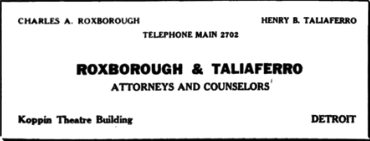
Brothers Roxborough and Taliaferro become law partners.
Brother Charles A. Roxborough III joined his practice with Brother Henry B. Taliaferro. Their firm became quite successful, and in the 1940s played an important role in the defense of one of the Scottsboro boys, Olen Montgomery.
- 1939
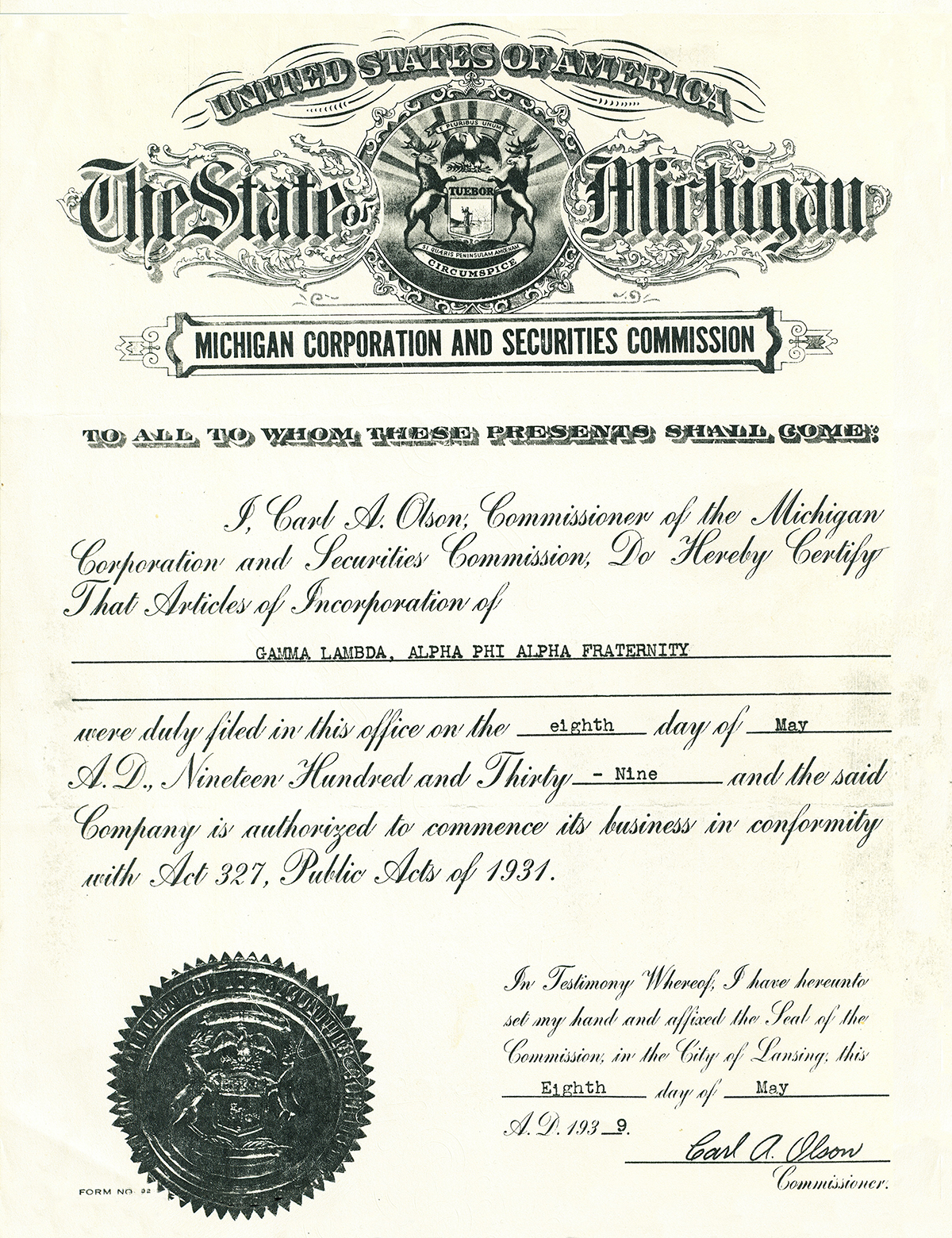
The Articles of Incorporation for the Gamma Lambda Chapter were filed.
The Articles of Incorporation for the chapter were filed and recorded in the office of the Michigan Corporation and Securities Commission as Gamma Lambda, Alpha Phi Alpha Fraternity on May 8, 1939.
- 1939
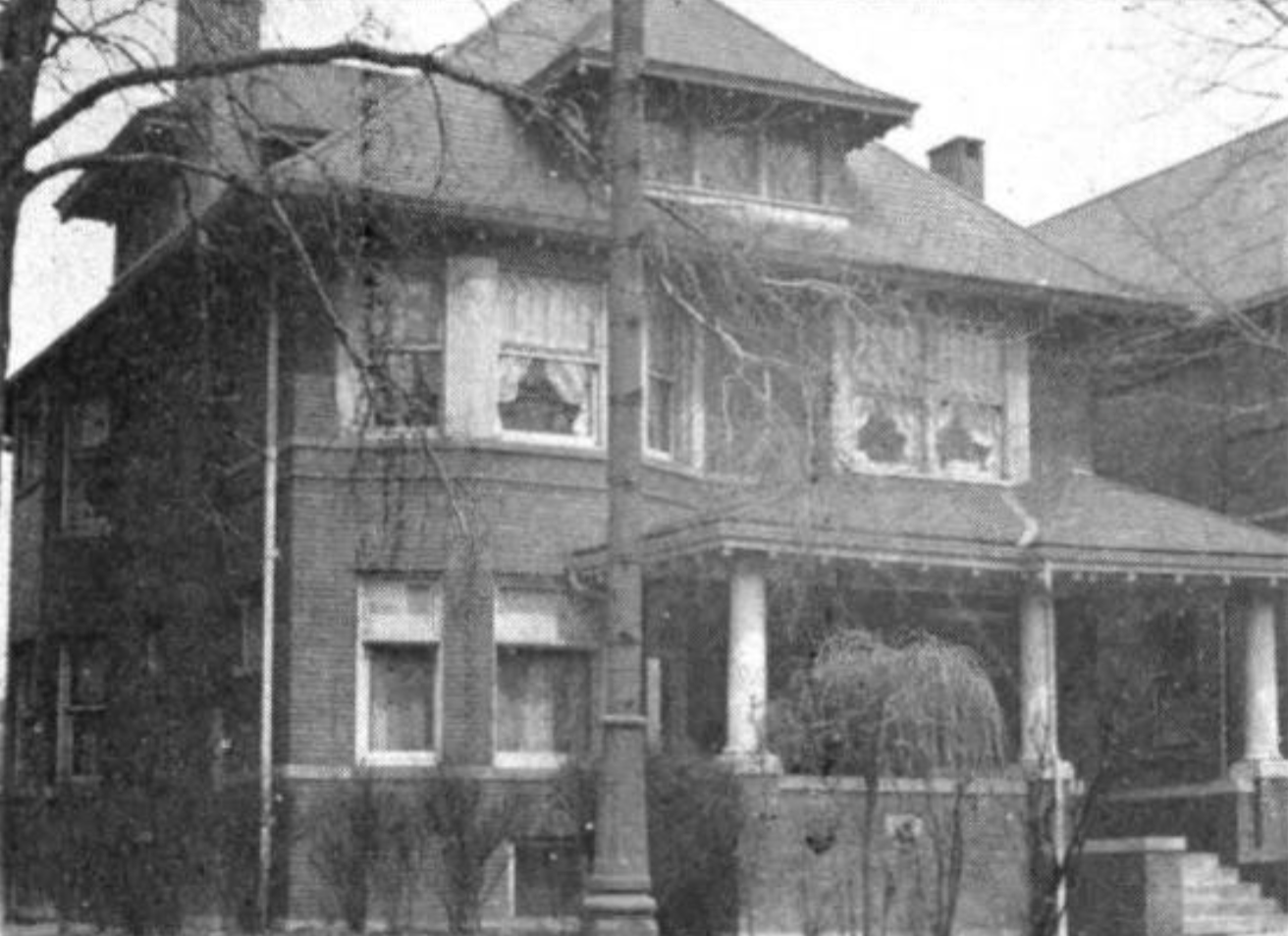
The Alpha House is purchased.
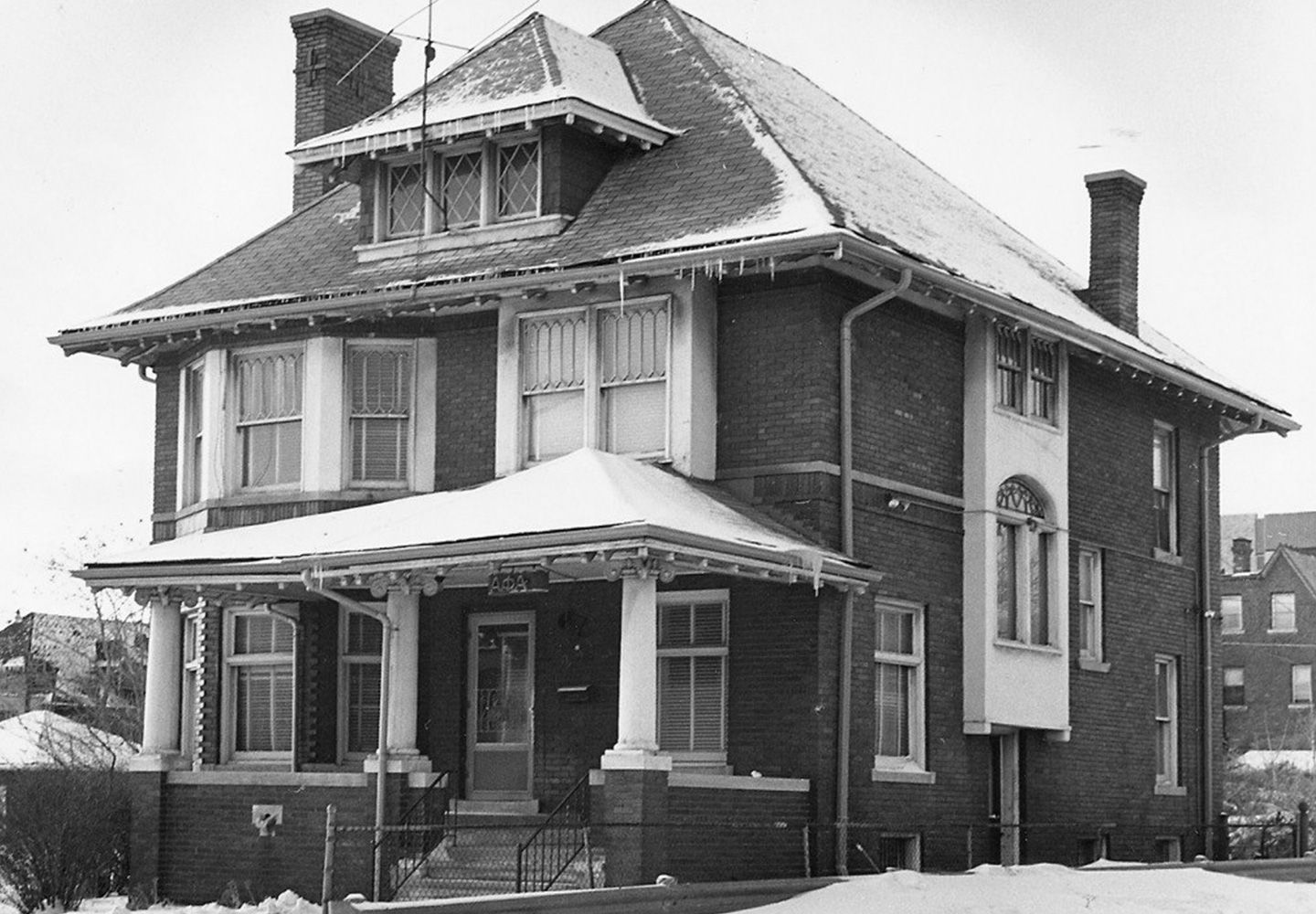
The Alpha House at 293 Eliot Street in Brush Park was purchased by the chapter on May 15, 1939. Built around 1912, this Neoclassical-style structure, with its ten well-furnished rooms, was built as a single-family residence. Prior to the purchase of 293 Eliot Street, not one chapter in the national fraternity had bought a house and paid for it in full, with the property free of any encumbrances.
1940s
After World War II, Gamma Lambda entered a season of leaner years. Membership declined somewhat, and "the good old Alpha spirit soon began to fall asleep." Yet, the chapter was able to support a very well-appointed fraternity house and build up a substantial treasury.
At a time when very few public, and no private, dining and entertainment facilities in Detroit admitted African Americans, the Alpha House provided an important cultural and social outlet for Black college students and the community-at-large. The Alpha House also became a focal point for the formulation of plans and programs and the mobilization of the community to systematically attack the inequities in employment, housing and education that had long plagued and disadvantaged the Black community.
Gamma Lambda made significant contributions the social history and ethnic heritage of African Americans in Detroit. The Alpha brothers of Gamma Lambda engaged and supported the community through several national programs, local initiatives, and collaborative partnerships with like-minded organizations. Two of the prominent and long-standing programs are A Voteless People is a Hopeless People and Go-to-High-School, Go-to-College.
- 1940
Gamma Lambda hosted their first Twilight Hour
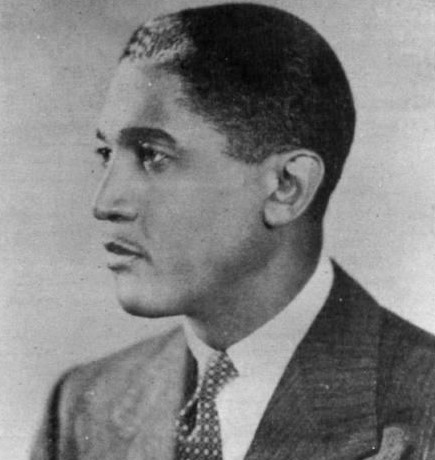
January 1940 was the first time the chapter hosted Twilight Hour at the Alpha House. There was dancing and entertainment galore. This event was given to honor Brother Belford Lawson, who had been recently appointed as General Counsel of Alpha Phi Alpha and was in the city to speak at a meeting sponsored by the NAACP.
- 1942
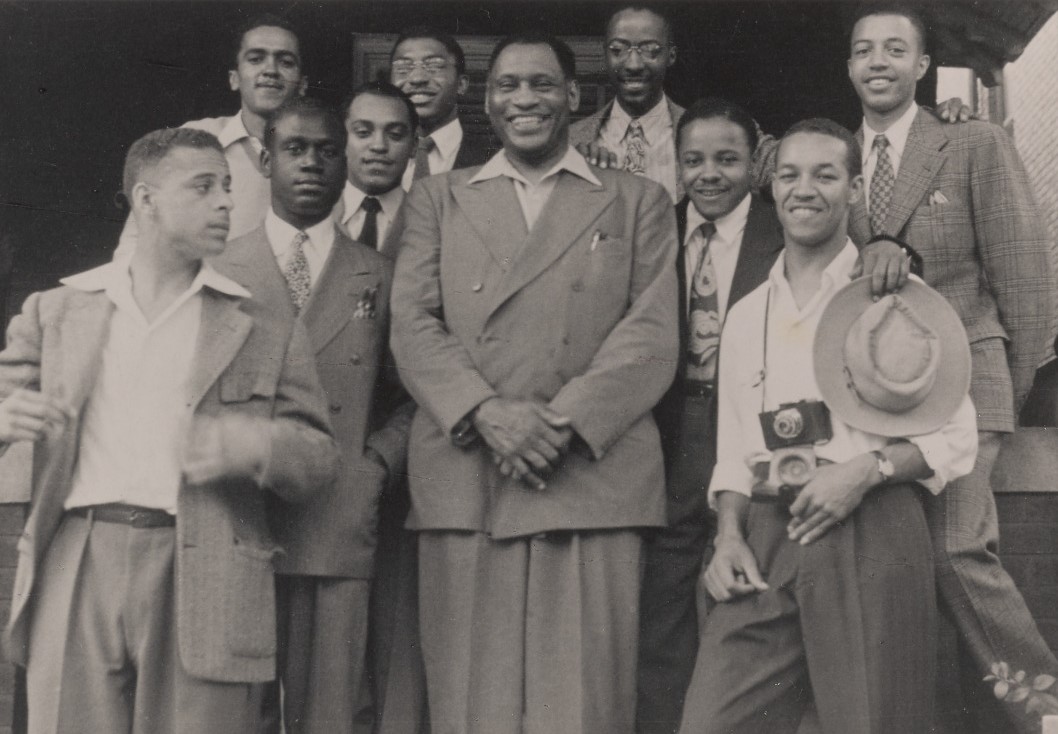
Paul Robeson visits the Alpha House.
Brothers from all over the United States have visited Gamma Lambda's house, including acclaimed singer, actor, and political activist Brother Paul Robeson.
- 1943
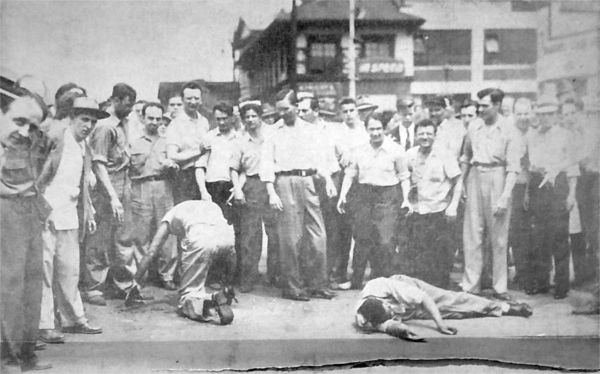
Detroit Race Riot shines a spotlight on racism, poor living conditions and unequal access.
Frustrations on the part of both white and Black Detroiters fueled the outbreak of violence on June 20, 1943. There had been several significant clashes between white and Black youth and adults in the months and years before the 1943 riot. White and Black rioters clashed with each other, attacked lone individuals, and looted or destroyed property. Motivations for the violence were complex, rooted in economics, changing race relations, and persistent racial discrimination and fears. Source: https://www.blackpast.org/african-american-history/detroit-race-riot-1943/
- 1947
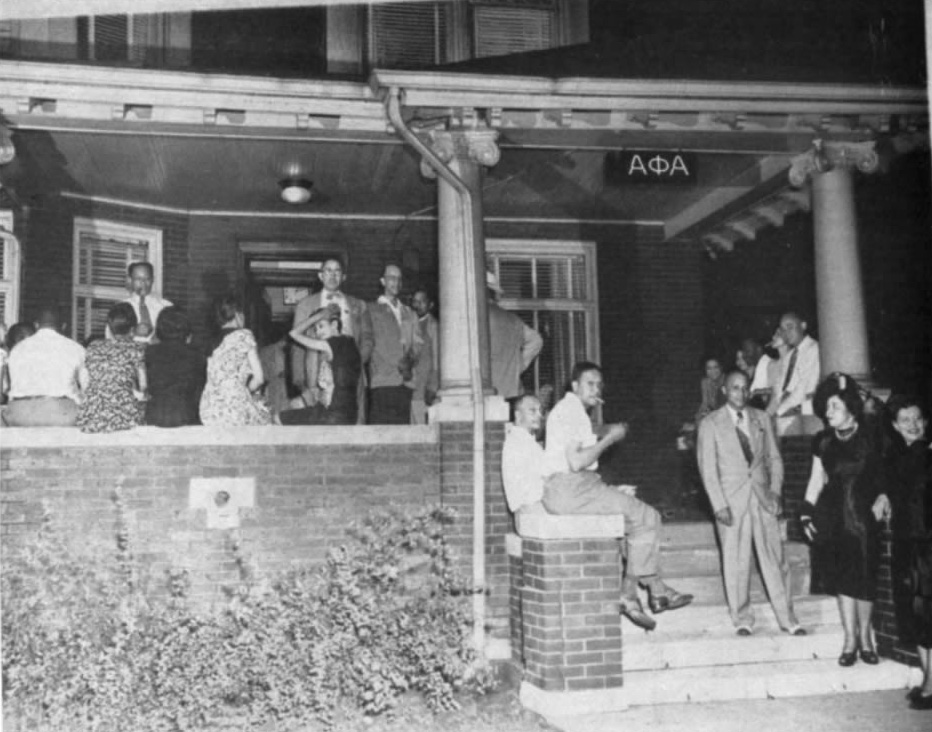
The Alpha House featured in The SPHINX.
The December 1947 edition of The SPHINX featured a story entitled "The Alpha House in Detroit." This article included numerous pictures and a terrific write-up of the house and its numerous appointments, and described in detail how the house was purchased.
- 1949
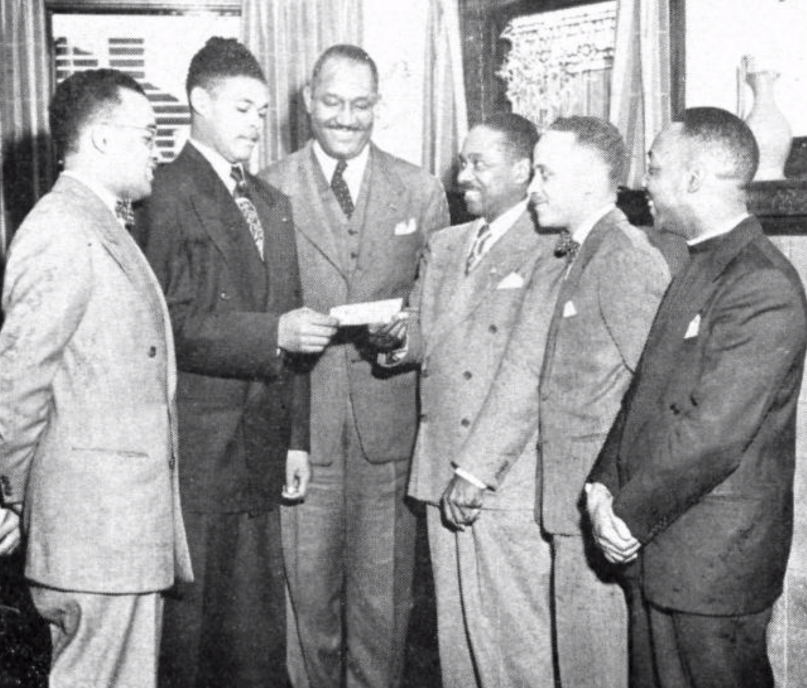
The first scholarship was awarded by Gamma Lambda
A $250 scholarship was presented to Reuben Hicks, a graduate of Sidney D. Miller High School, because of the excellence of his scholastic record.
- 1949
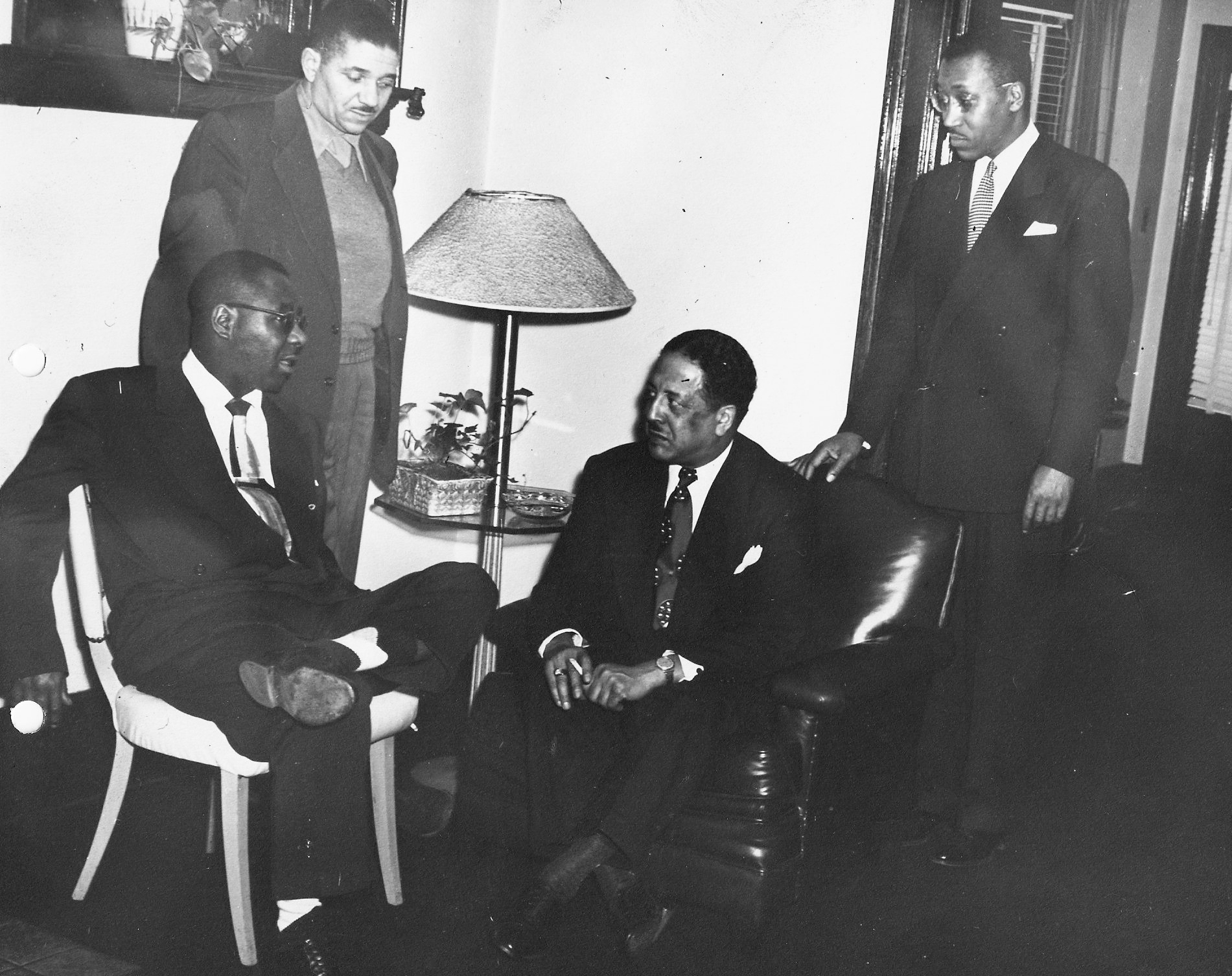
Gamma Lambda hosted a conference for regional directors.
The chapter hosted a conference for regional directors where over six hundred Alpha men and their guests gathered in the Alpha House to welcome fraternity officers, including General President Belford V. Lawson and Midwestern Vice-President Maceo Hill.
1950s
During this time, Detroit was extremely prosperous because of the booming automobile industry. Black businesses flourished in the "Black Bottom" and "Paradise Valley" districts, famous for the large number of Black owned and operated businesses during those times. The Gotham and the Biltmore Hotels were very popular Detroit spots.
The Alphas of Detroit were known for having great social affairs called "open houses", which the public would regularly attend. Dinah Washington, Ella Fitzgerald, Brother Duke Ellington and other Jazz greats made Detroit a principle hangout during these wondrous times.
By 1953, new leadership had reenergized the chapter. Within a short while, the number of brothers grew from forty-four to 234. To illustrate the prosperity and significance of the era during the 1953 Annual Convention, the Sheraton Cadillac Hotel held the banquet - a first for "Negroes". Chrysler Corp. provided free transportation for convention officials - another first for a predominant Negro organization. The hotel rates of the time were about $8.20 for a double and $4.40 for a single room with toilet. The financial secretary was the only paid officer. According to chapter records, Gamma Lambda held $11,020 in U.S. Savings Bonds and the property value of 293 Eliot St. and its furniture was valued at $9,250.
- 1953
The Detroit Urban League's 21st Vocational Opportunity Campaign was held.
A full week of programs was held March 15-22 in schools, churches and community centers. The campaign helped more than 4,000 youths and adults to receive career selection, preparation and placement assistance from local leaders and businesses.
- 1953
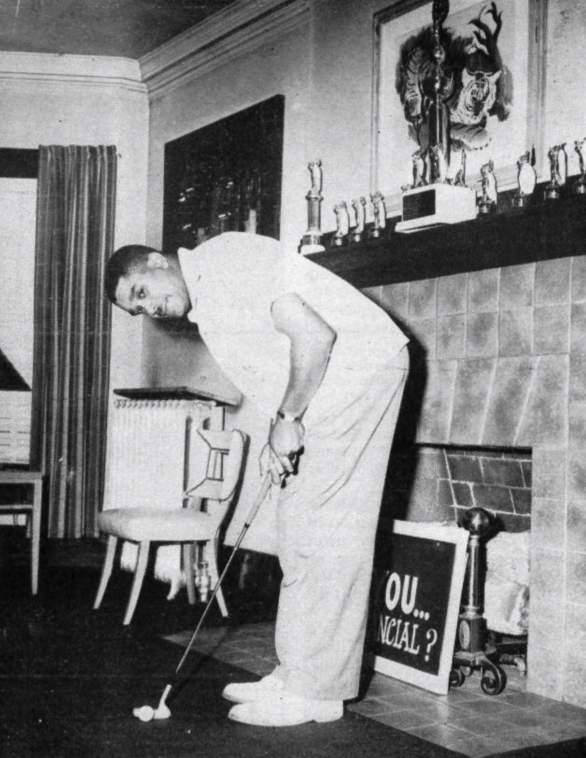
The first Gamma Lambda Golf Tournament was held.
Brothers from cities throughout the area competed in this tournament. Brother Willis F. Ward, U-M and Epsilon alumni, led the tournament committee and was the winner of the tournament.
- 1953
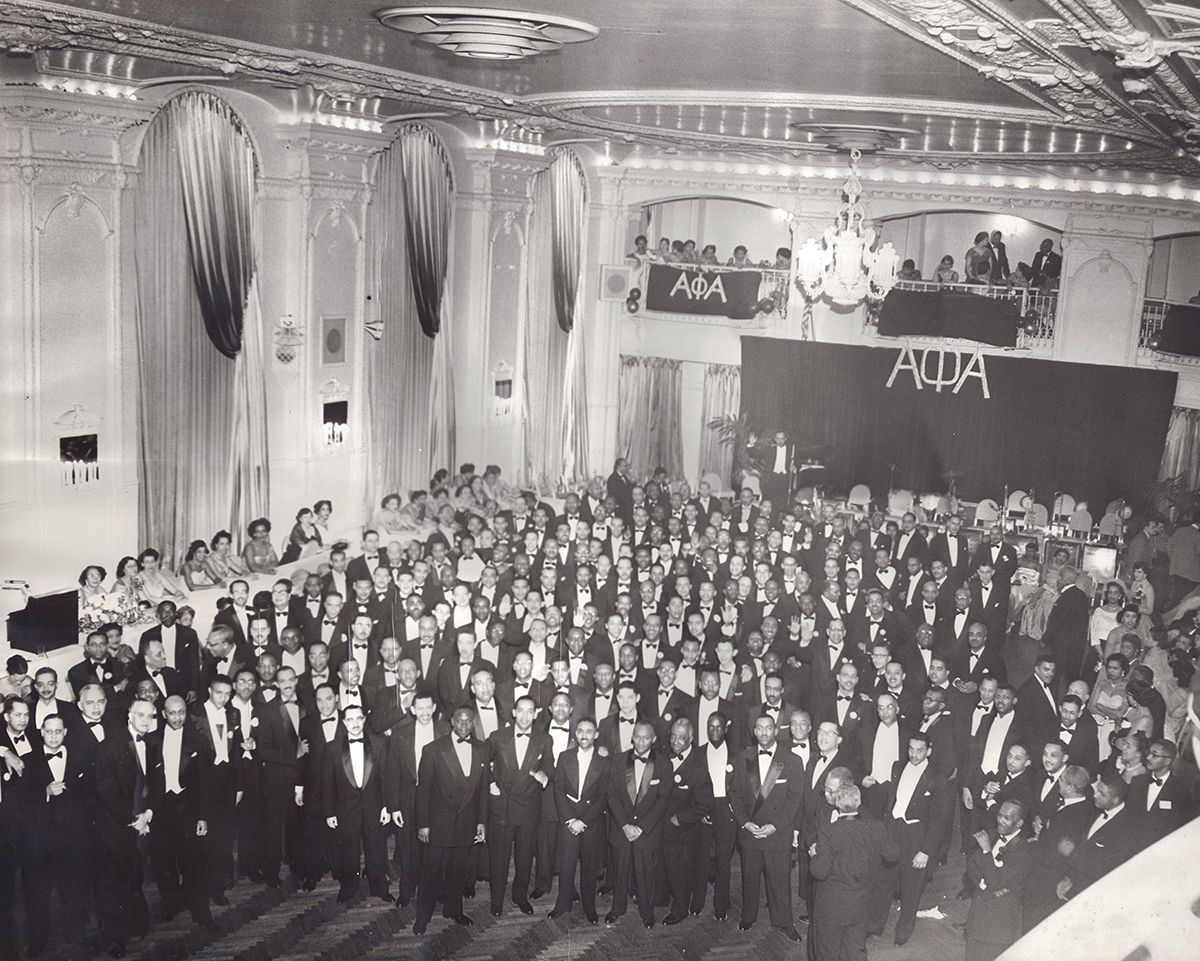
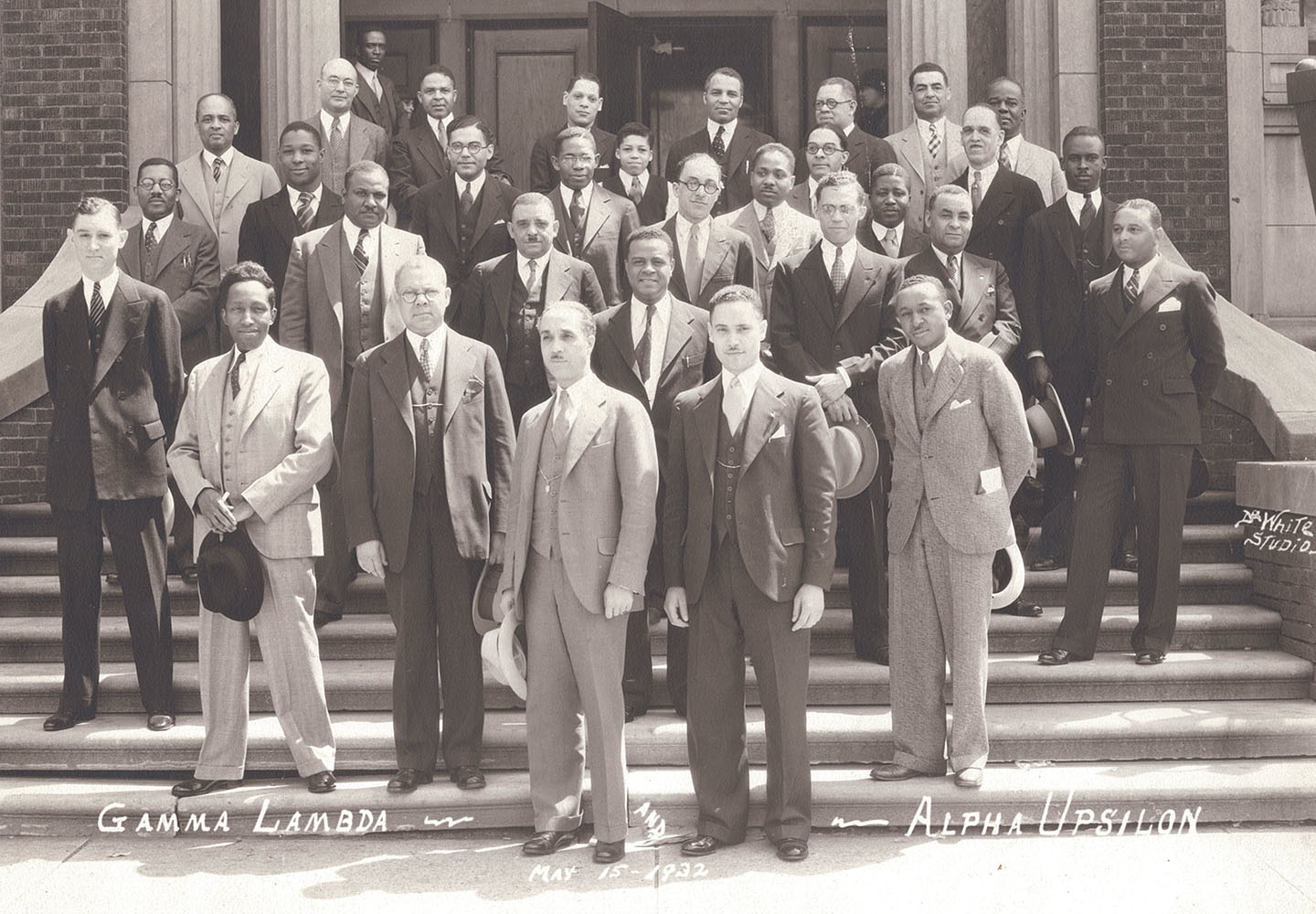
39th General Convention/47th Anniversary Convention of Alpha Phi Alpha Fraternity, Inc. was hosted by Gamma Lambda and Alpha Upsilon.
Held on December 27-31, 1953, there were 222 financial Brothers at Gamma Lambda. The Sheraton Cadillac Hotel held the banquet - a first for "Negroes." Chrysler Corporation provided free transportation for convention officials - another first for a predominant Negro organization. The hotel rates at the time were about $8.20 for a double and $4.40 for a single room with toilet.
- 1953
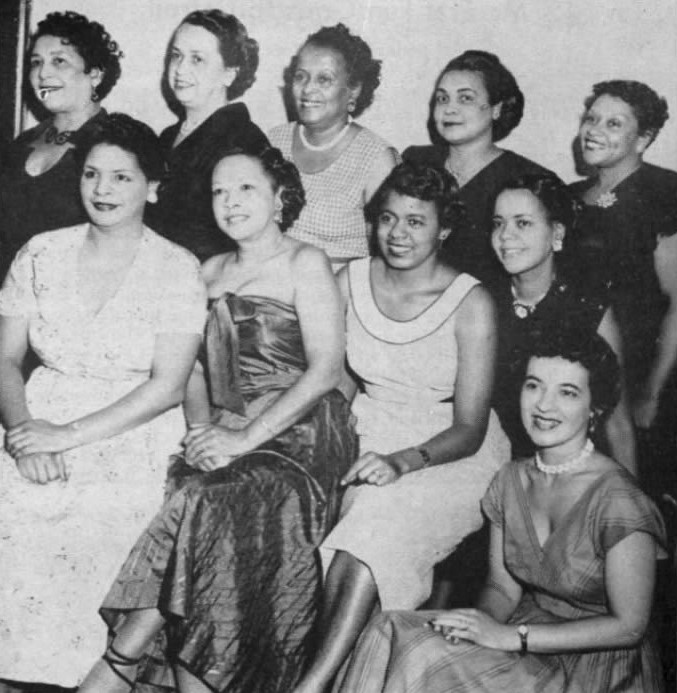
The Alpha Wives petitioned the Fraternity during the 1953 General Convention to make Alpha Wives an Auxiliary of the Fraternity.
Though their efforts failed, their endeavors were noted and are chronicled in the Alpha Phi Alpha Fraternity, Inc. History Book.
- 1954
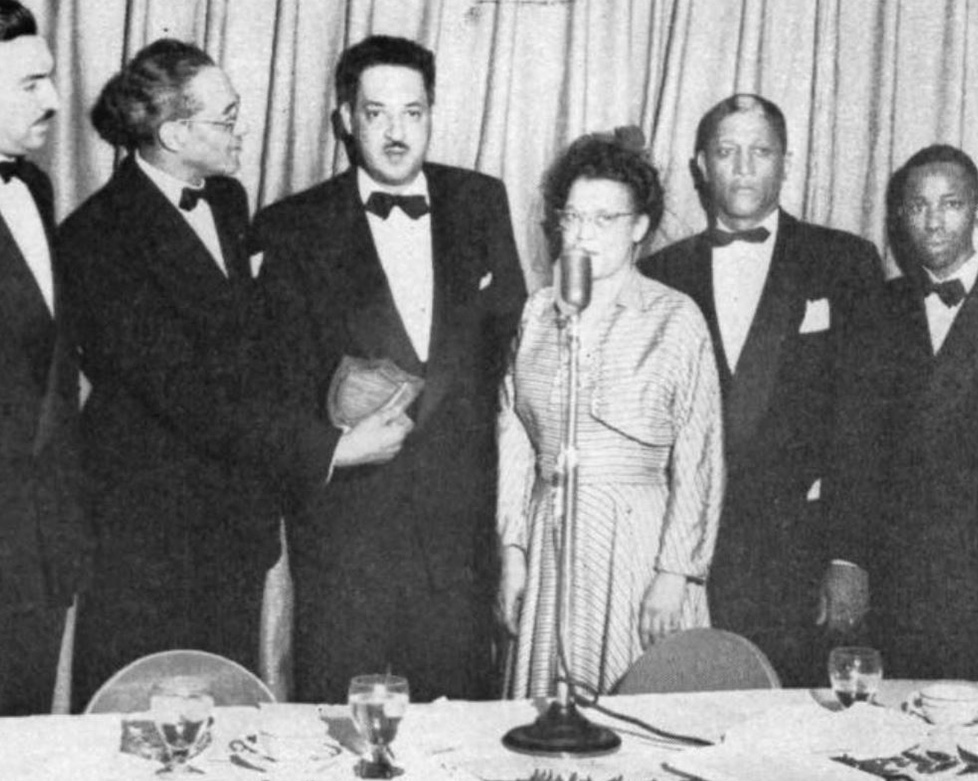
Brown v. Board of Education was argued.
After delivering the Keynote Address at the 1953 General Convention, ?First of All Servants of ALL?, Thurgood Marshall and other Alpha Phi Alpha civil rights attorneys for the NAACP successfully argued the Brown v. Board of Education case, striking down the policy of ?separate but equal? and held that racial segregation in public education is a violation of the Equal Protection Clause.
- 1955
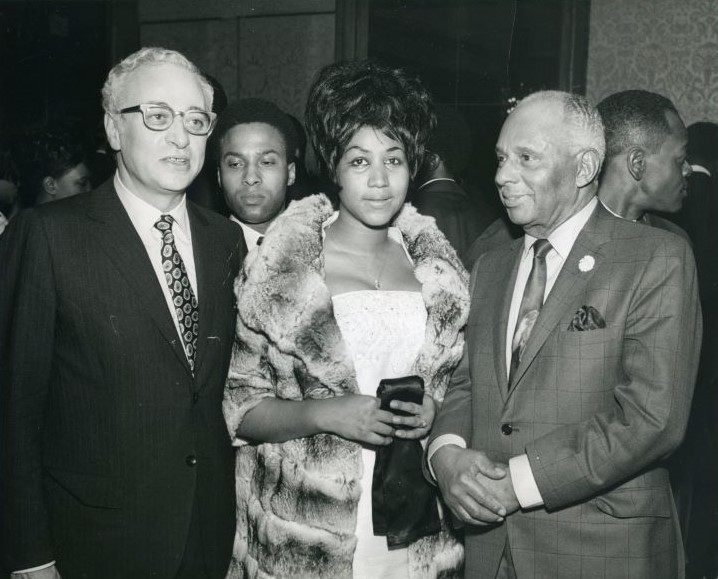
The first Black-owned radio station, WCHB, was founded in Detroit.
Brother Dr. Haley Bell established the Bell Broadcasting Company, home of the first Black-owned radio station, WCHB. The call letters for WCHB come from the founders' initials: Wendell Cox and Haley Bell. He made significant contributions to the Detroit community as well as to Meharry Medical College.
- 1955
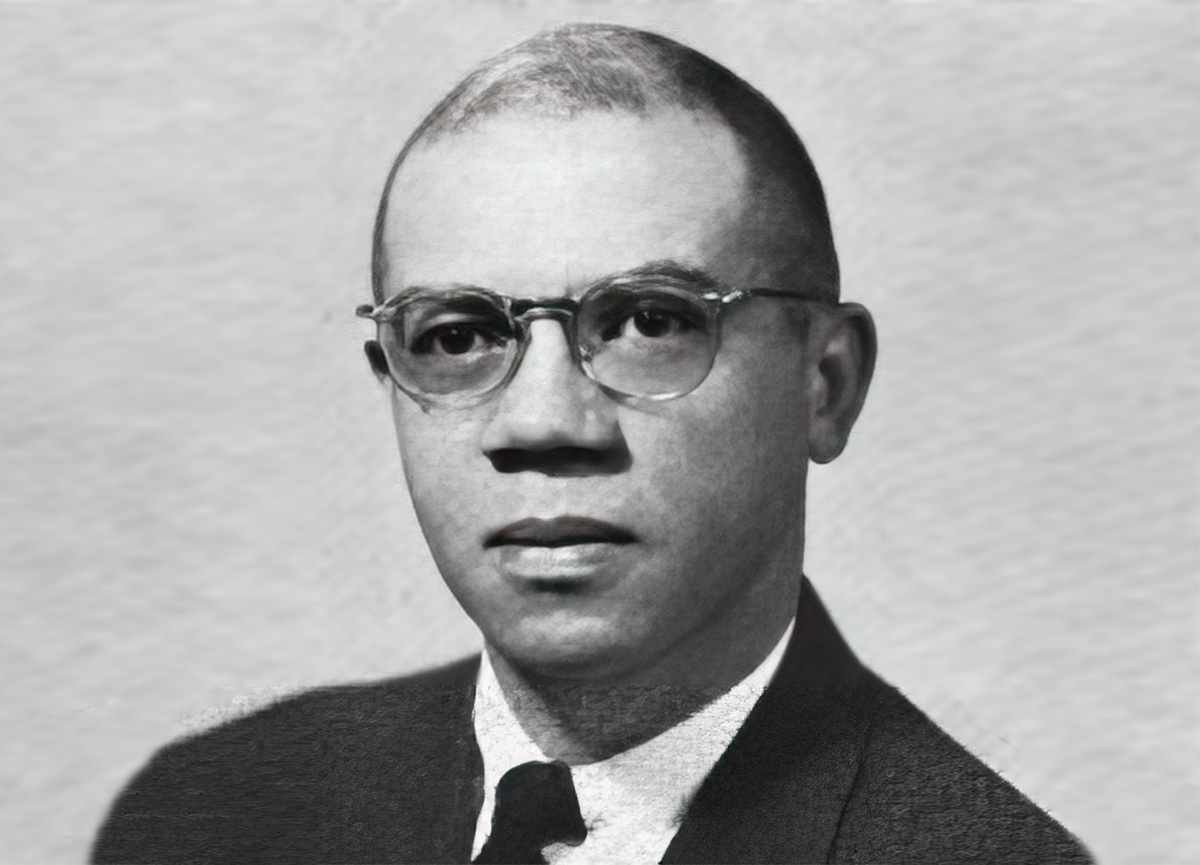
Brother Dr. Remus G. Robinson became the first African American elected to the Detroit Board of Education.
In 1958 he was elected Board President. He remained a member of the school board until his death in 1970.
- 1956
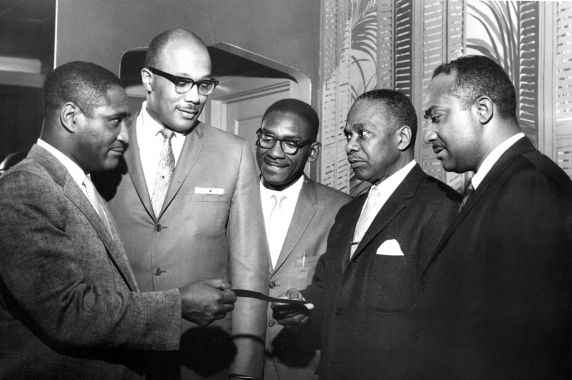
The annual NAACP Freedom Fund Dinner was established.
Gamma Lambda members in Detroit have long supported the NAACP. Brother Dr. James J. McClendon was president from 1937 to 1945. In 1956, in response to the slaying of Emmett Till, the Detroit Medical Society called a special meeting where the 52 members present contributed $100 each for the NAACP. One member proposed that the money be used as the basis for a $100-a-couple dinner. The dinner grossed $30,000. The annual Freedom Fund Dinner became an annual affair and is now the largest single fundraising event for the NAACP.
- 1958
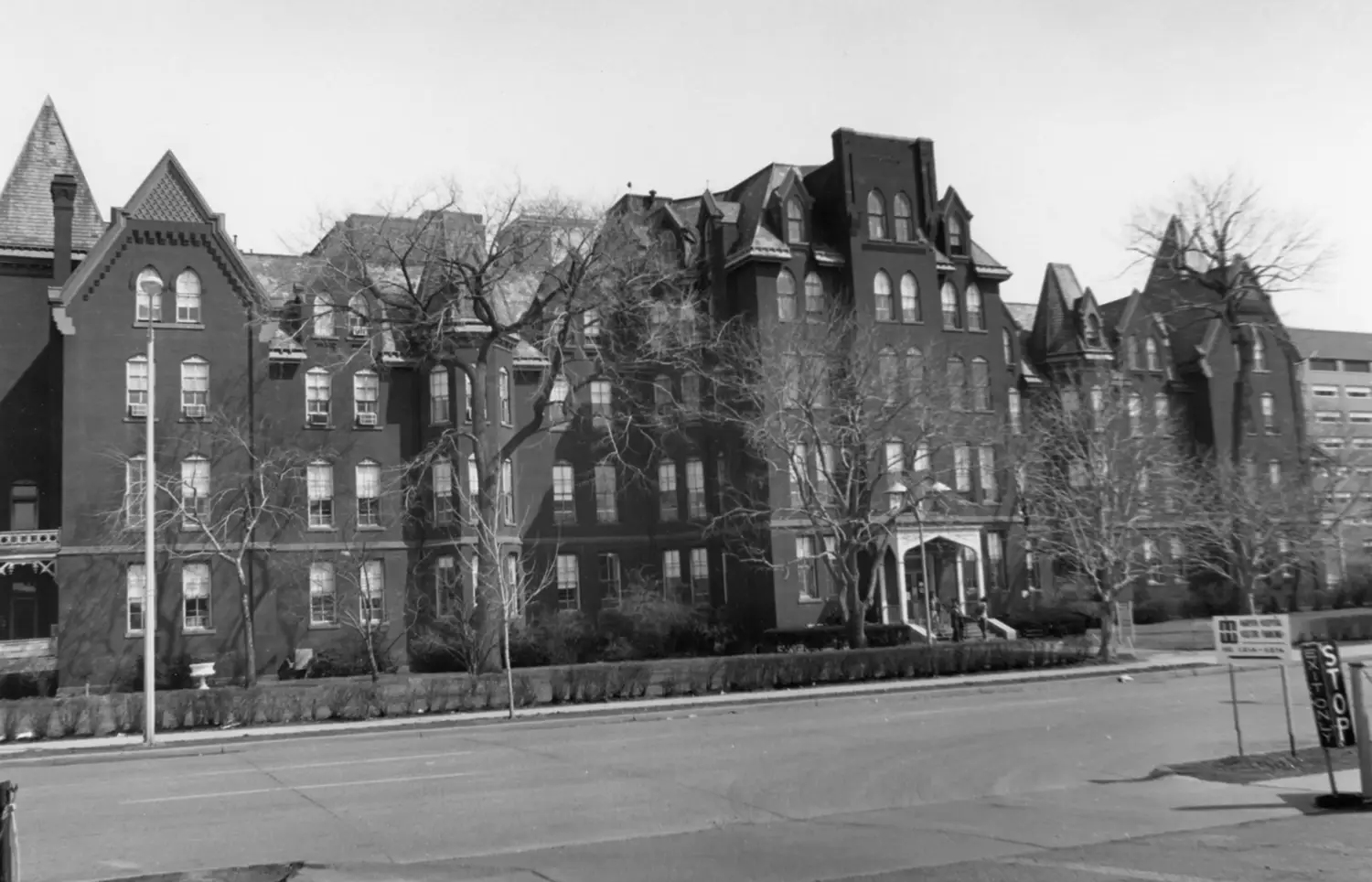
Brother Dr. John Loomis became the first African- America Intern/Resident in the long history of Harper Hospital.
1960s
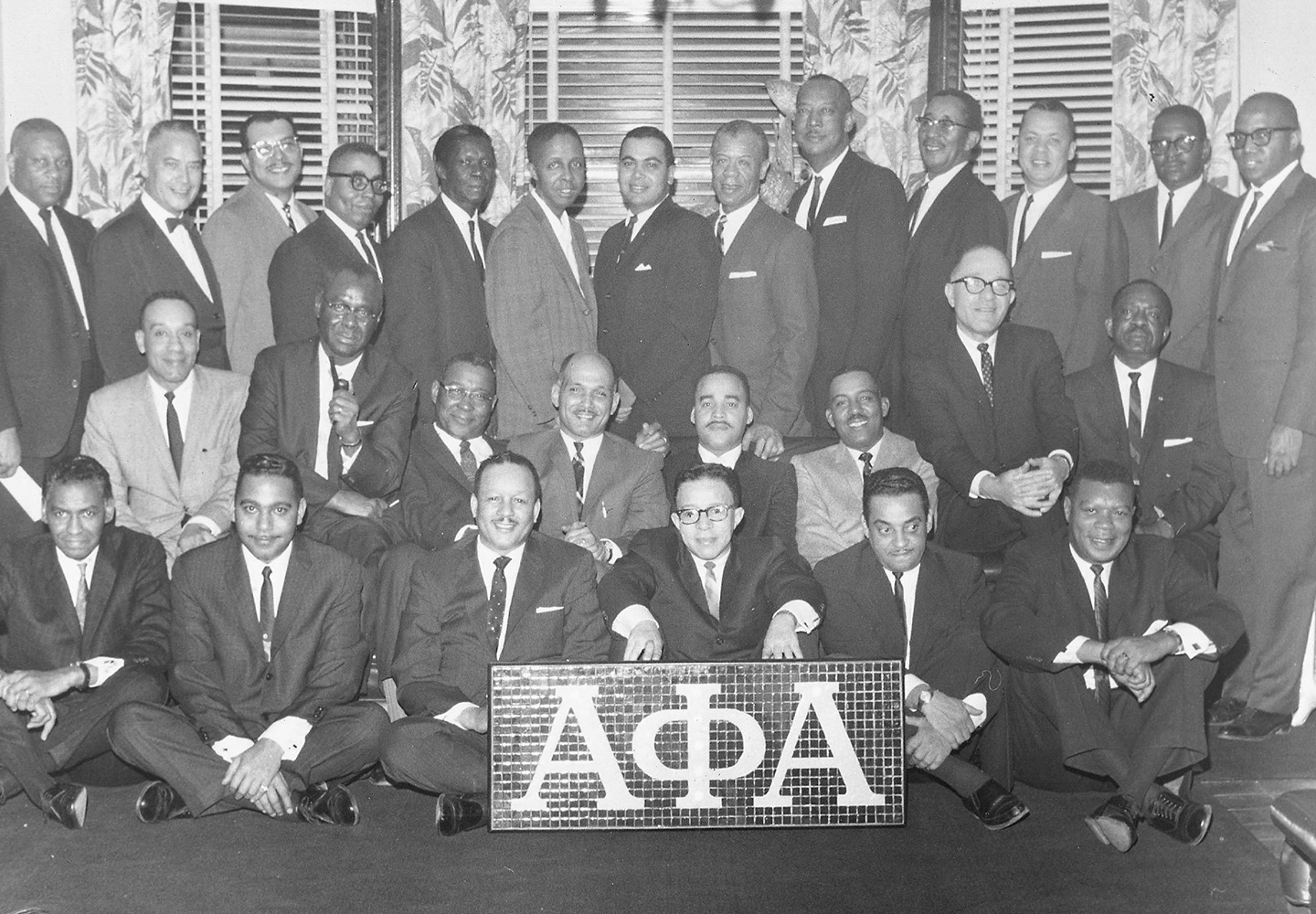
Good times, apparently, do come to an end. Gamma Lambda saw difficult times in Detroit during the struggles of the civil rights movement of the 1960's.
In September 1967, civil unrest hit its peak in Detroit with the infamous 1967 riots. The following year, the 1968 General Convention came to our city, hosted at the Detroit Statler ? Hilton Hotel. Brother Ramon Scruggs delivered the keynote address, challenging his Fraternity to "enter the Black struggle and make certain there are no Black spectators in this current struggle to make Black Americans free." Millions of dollars in Black owned property and businesses had been destroyed due to the civil unrest at the time against excessive use of force of law enforcement personnel, unfair housing practices and economic inequality.
Alpha Phi Alpha issued a statement reading: "Black Power is a proper and necessary objective in acquiring economic power and influence? For Alpha Phi Alpha, Black Power does not mean revolution by violence, or destruction, rather it means the exercise of legitimate means to obtain control over the destiny of the Black community by Black people ? that must be our concern". The Fraternity then called for congressional action to alleviate suffering of thirty-five million Black people after declaring large scale poverty during the 1960's "unjust and unnecessary".
- 1960
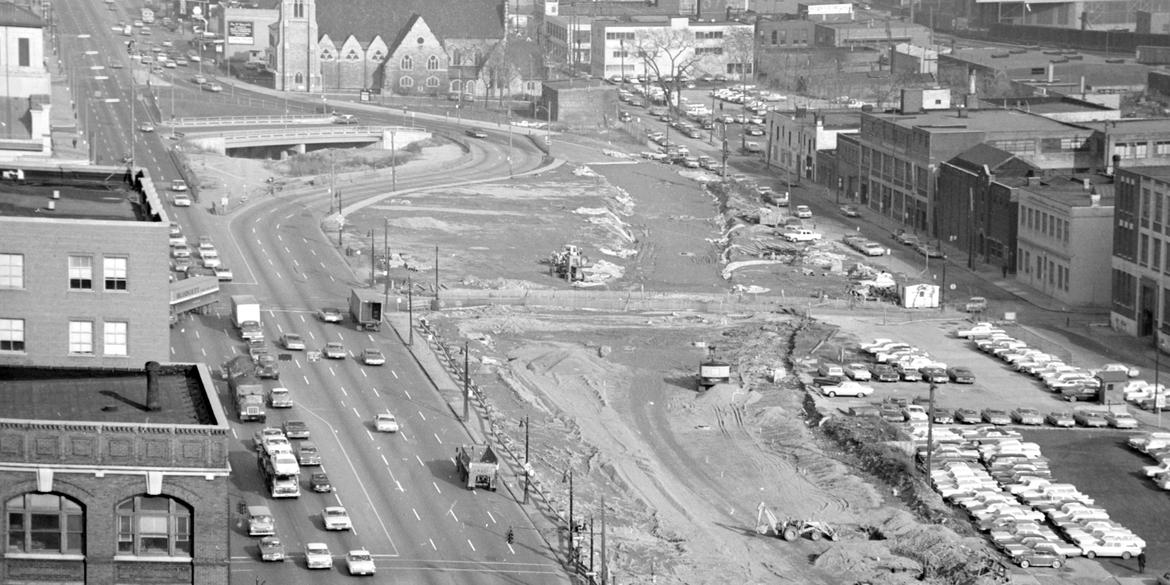
Black Bottom and Paradise Valley residents displaced.
The Gratiot Redevelopment Project displaced over 200,000 area residents and the construction of the I-75 and I-375 expressways further depleted the population and dispersed the residents of the areas known as Black Bottom and Paradise Valley. Many businesses and landmarks were forced to close.
- 1960
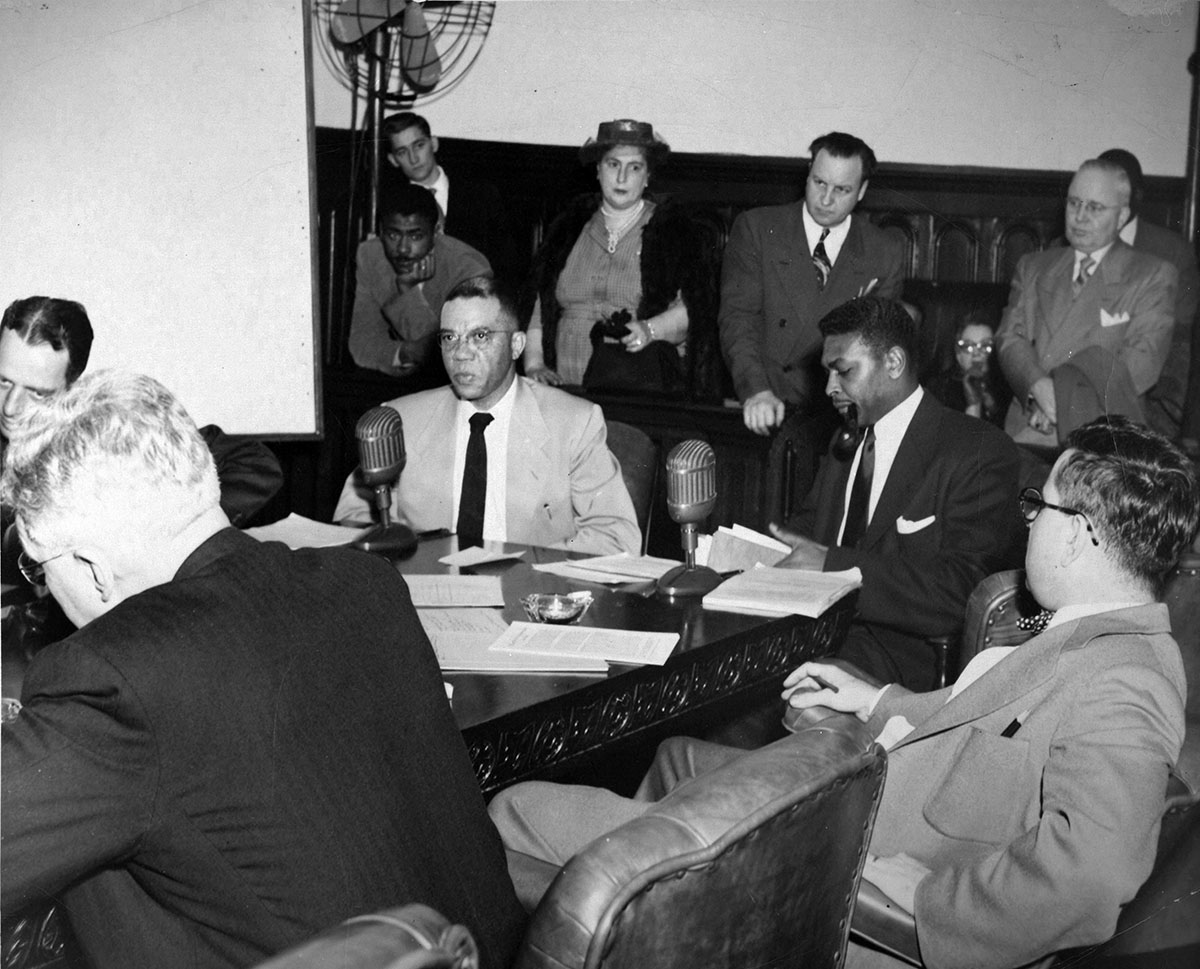
Gamma Lambda Brothers helped fight discrimination against the medical staff at Detroit area hospitals.
The Hospital Liaison Committee of the Detroit Medical Society, with the support of Brother Remus G. Robinson, Brother Dr. Lawrence S. Lackey and Brother Dr. Charles Vincent helped to fight discrimination against the medical staff at Detroit area hospitals. Four major hospitals sought to combine their resources and condemn urban property for the purpose of erecting a medical center. The Detroit Medical Society mobilized civic and religious organizations and took their fight to the Detroit Common Council. The project was denied by the Council until these hospitals had all signed non-discriminatory pledges. Dr. Vincent would later serve as Assistant Dean of Admission to Wayne State University and enacted policies that resulted in Wayne being second to Howard and Meharry for educating African American physicians.
- 1965
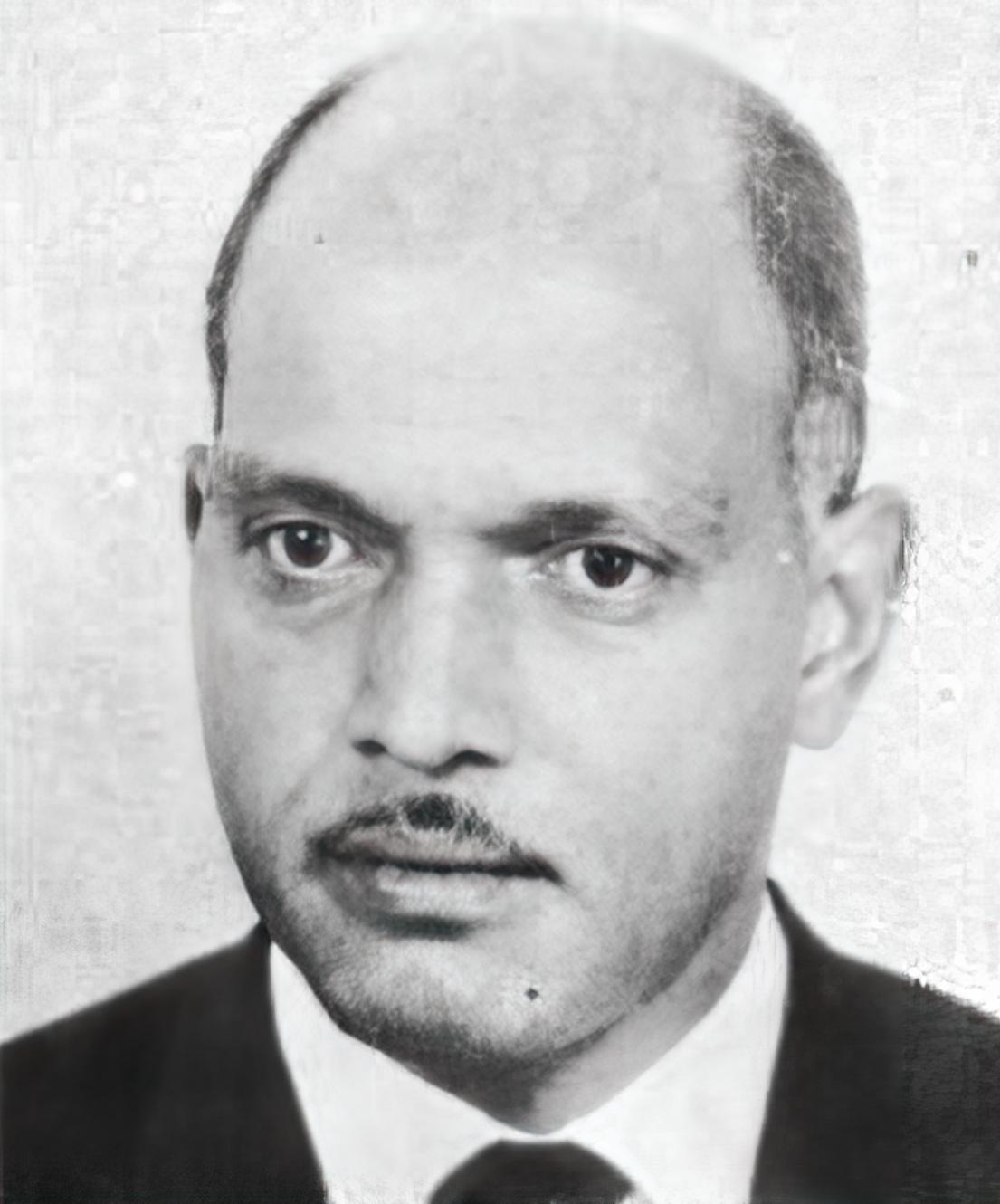
Brother Levin C. Weiss elected General Treasurer.
Brother Levin C. Weiss was elected General Treasurer at the 51st General Convention/59th Anniversary Convention in New York, NY. Brother Weiss served as General Treasurer for 15 years.
- 1966
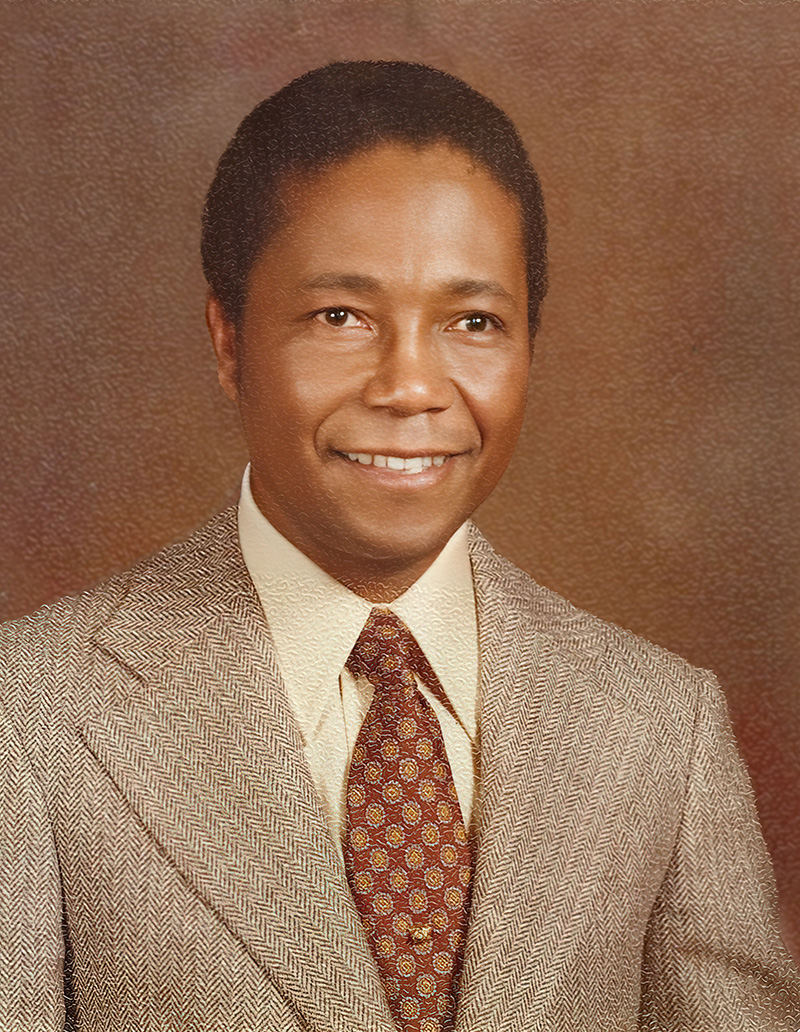
Brother Jesse F. Goodwin named Alpha Man of the Year by the Midwestern Region of Alpha Phi Alpha
Brother Goodwin later served as the thirty-second president of Gamma Lambda from 1973 to 1975.
- 1967
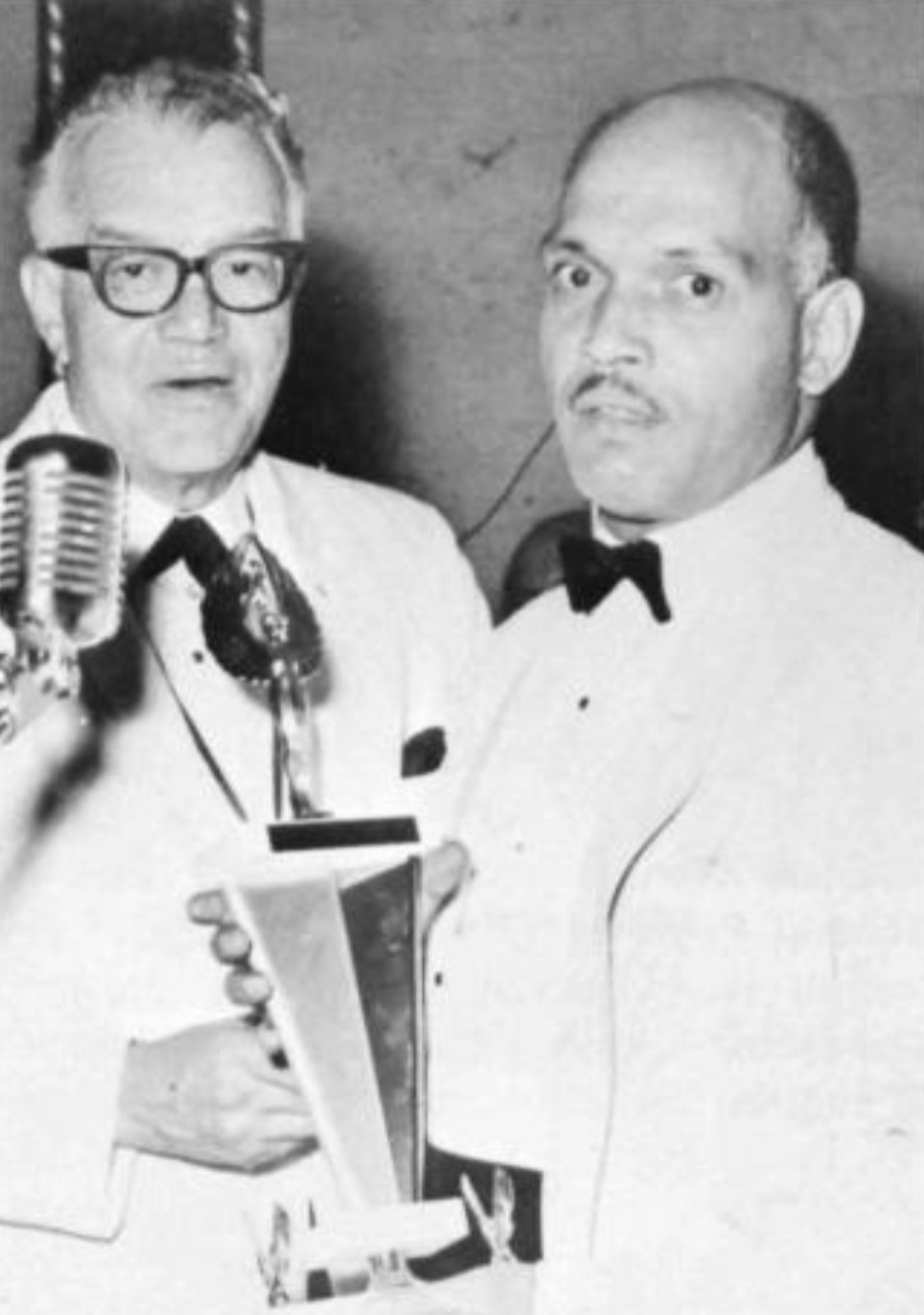
Gamma Lambda awarded Outstanding Graduate Chapter.
The Gamma Lambda Chapter was awarded the Outstanding Graduate Chapter Award at the 53rd General Convention/61st Anniversary Convention in Los Angeles, CA.
- 1967
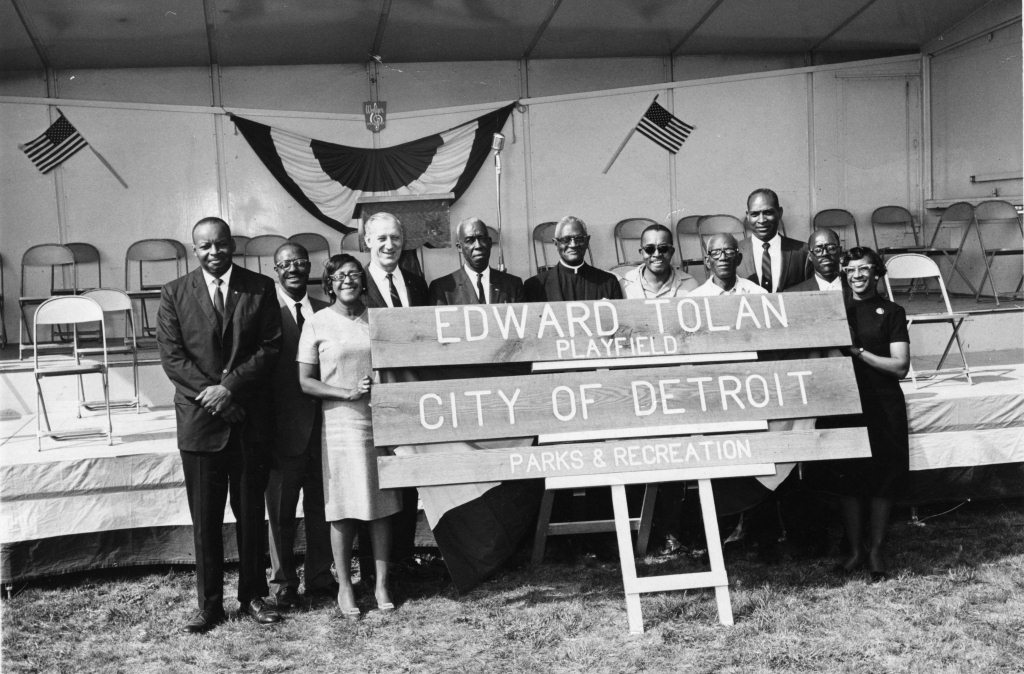
Edward Tolan Playfield in Brush Park was dedicated.
Edward Tolan Playfield, located in Brush Park along Mack Avenue and Chrysler Freeway, was dedicated in honor of Thomas Edward "Eddie" Tolan. Brother Tolan, known as the "Midnight Express," set world records in the 1930s in the 100-yard dash and the 100-meter dash, and earned Olympic gold medals in the 100- and 200-meter at the 1932 Summer Olympics in Los Angeles with recordsetting times. He was the first African American to receive the title of the "world's fastest human".
- 1967
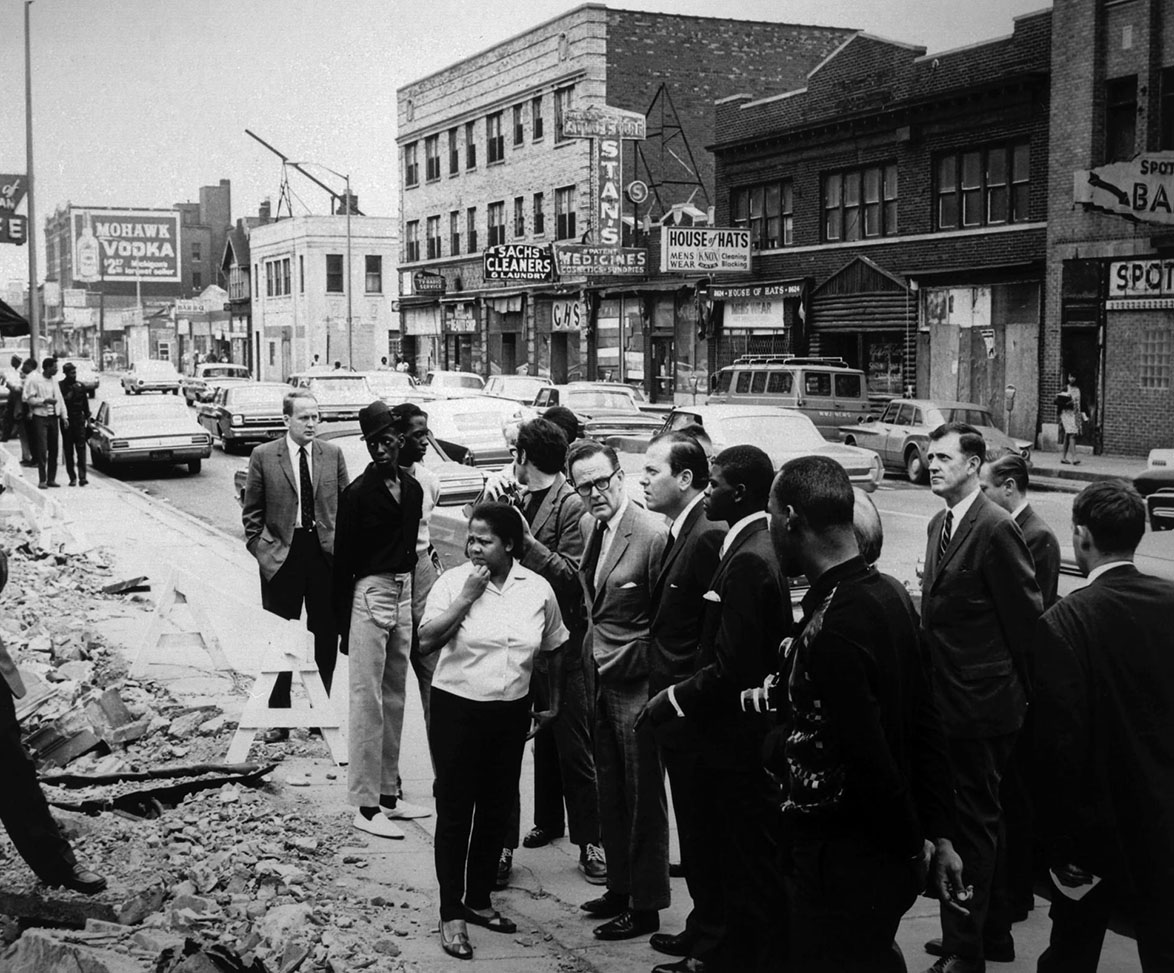
Civil unrest hit its peak in Detroit with the infamous 1967 riots.
Millions of dollars in Black-owned property and businesses were destroyed due to this rebellion against excessive use of force of law enforcement personnel, unfair housing practices and economic inequality. Alpha Phi Alpha issued a statement reading: ?Black Power is a proper and necessary objective in acquiring economic power and influence? For Alpha Phi Alpha, Black Power does not mean revolution by violence, or destruction, rather it means the exercise of legitimate means to obtain control over the destiny of the Black community by Black people ? that must be our concern.? The Fraternity then called for congressional action to alleviate the suffering of 35 million Black people after declaring large scale poverty during the 60s ?unjust and unnecessary?.
- 1967
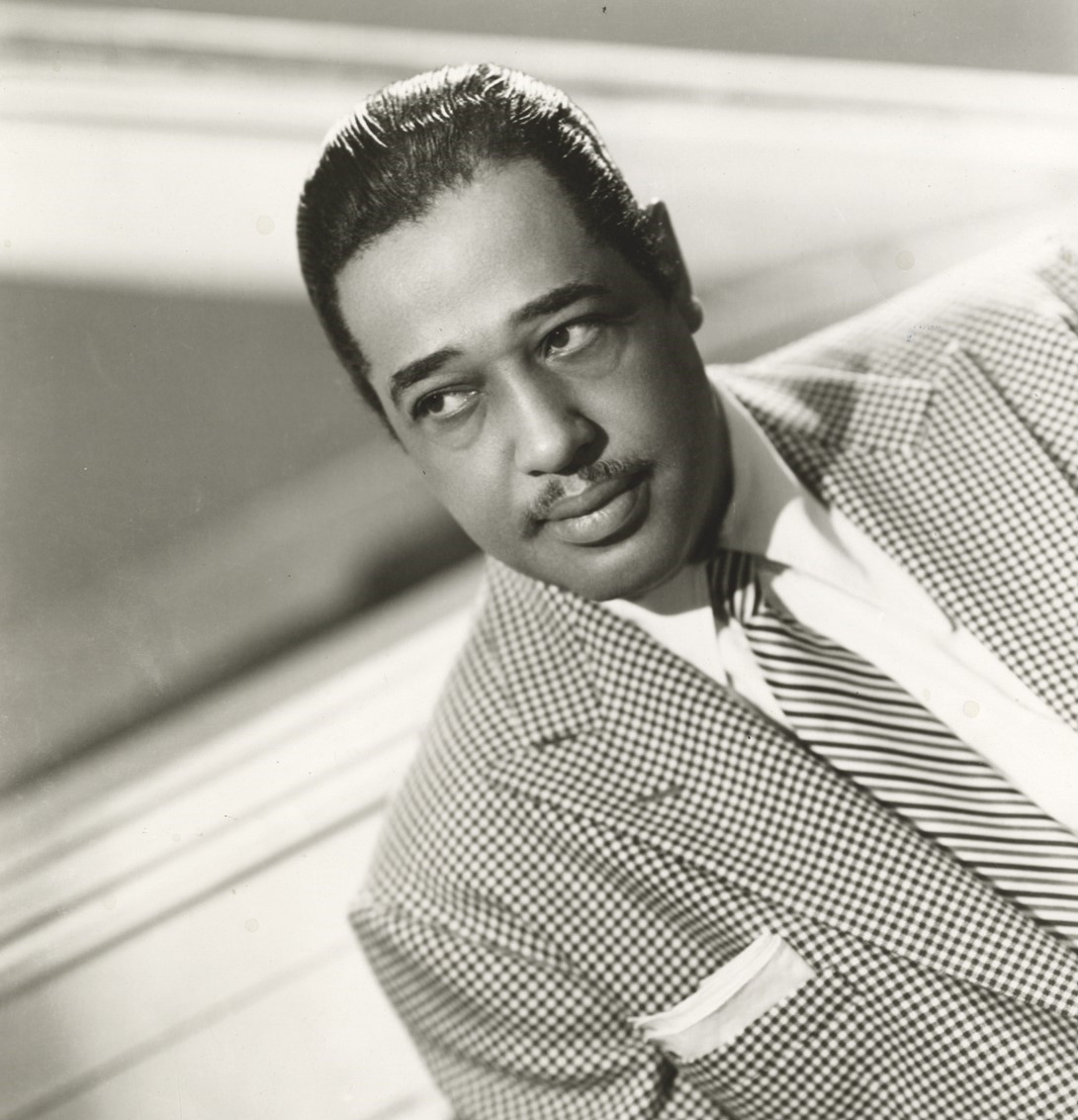
Brother Duke Ellington held a concert at Ford Auditorium.
The Concert of Sacred Music with the Harold Smith Majestics Choir was performed on September 17, 1967. The concert was sponsored by Gamma Lambda, with proceeds used to pursue the educational programs of the chapter.
- 1967
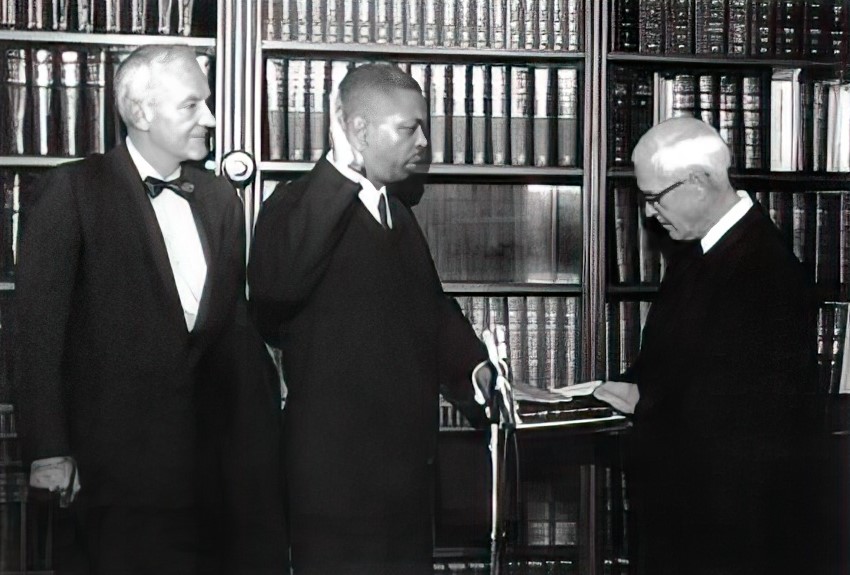
Brother Judge Damon J. Keith was appointed to the U.S. District Court.
Brother Judge Keith was appointed to the U.S. District Court for the Eastern District of Michigan by President Lyndon B. Johnson. On this court, he ruled on numerous cases proving his dedication to equity, equality, and the civil rights of all Americans. In the case Davis v. School District of the City of Pontiac (1970), he ruled that the city must integrate Pontiac public schools through busing. It was the first case that extended federal court-ordered integration into a northern city.
- 1968
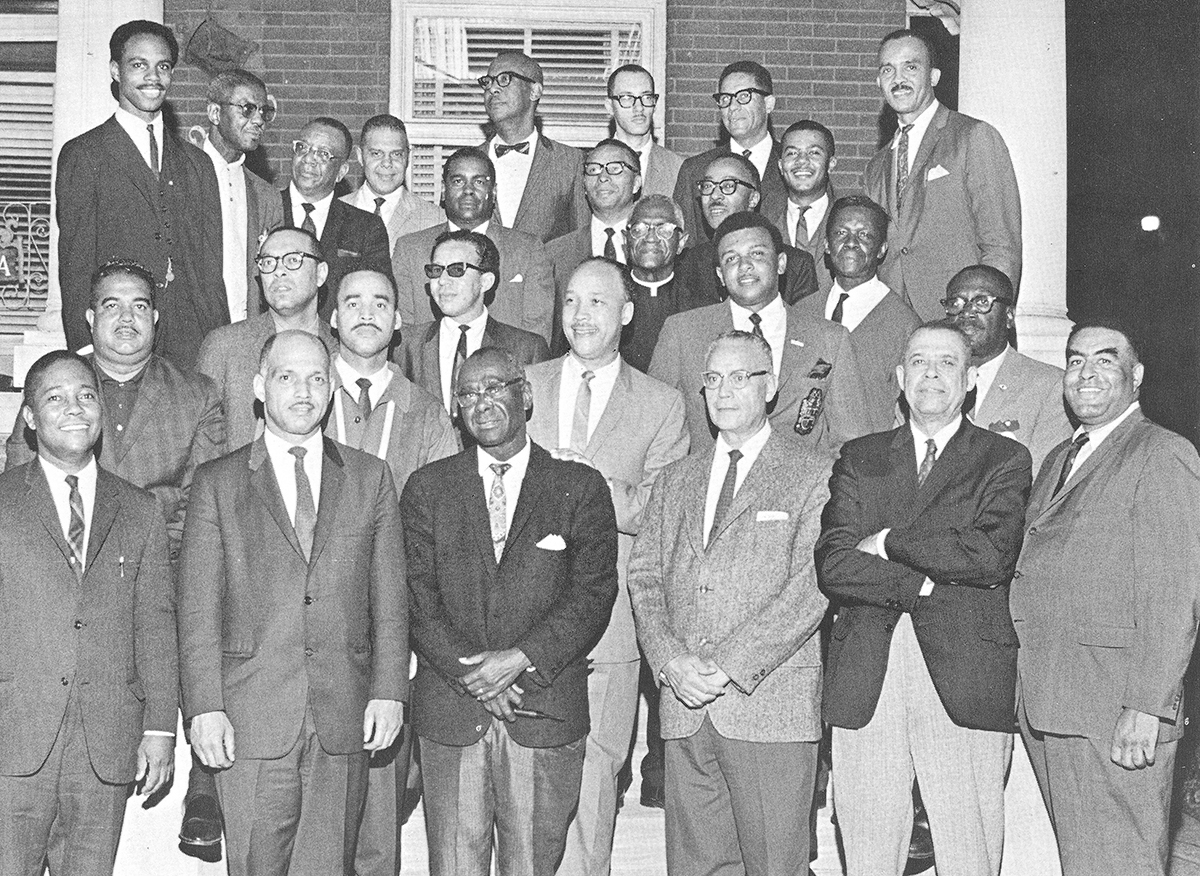
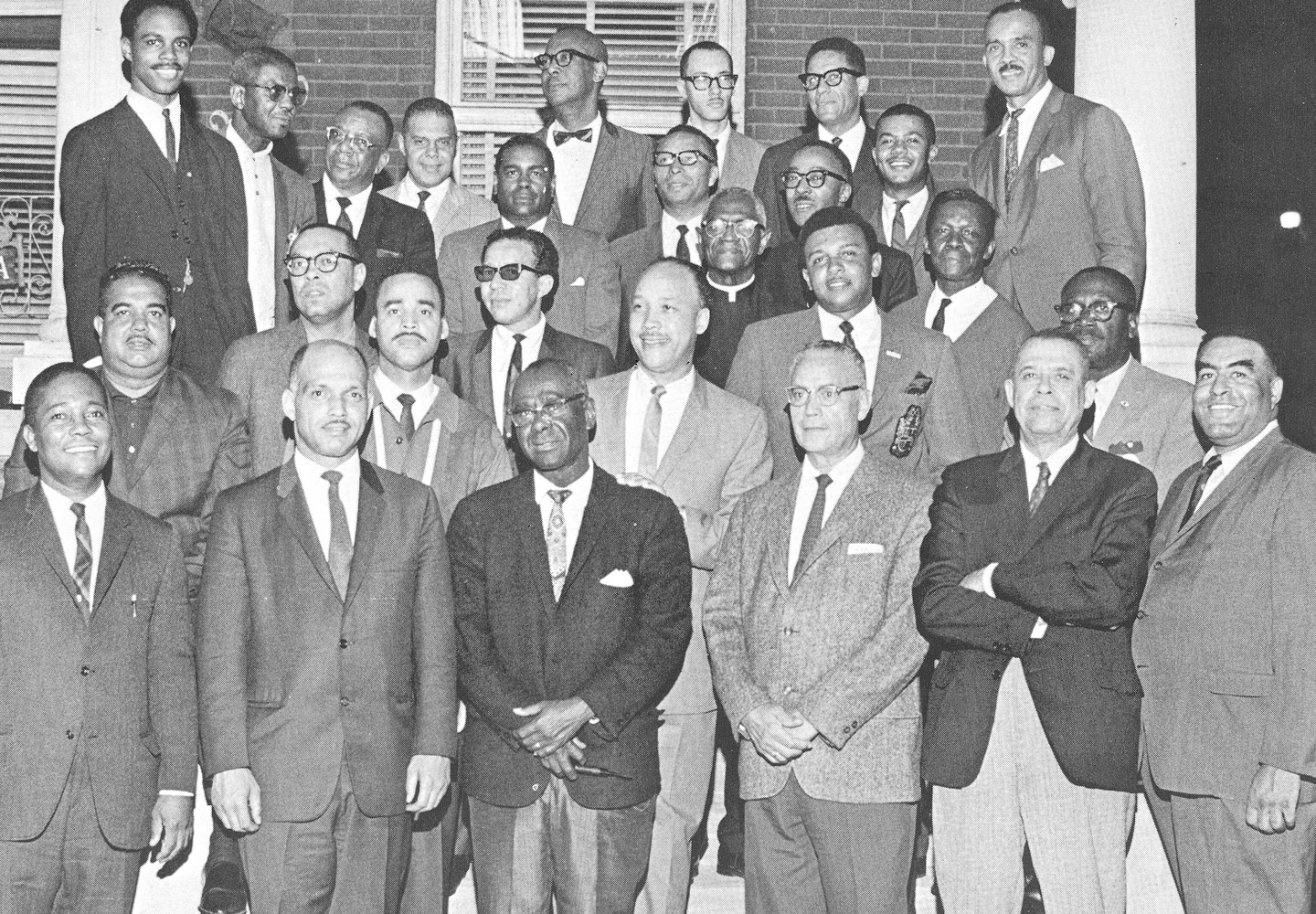
54th General Convention/62nd Anniversary Convention of Alpha Phi Alpha Fraternity, Inc. was hosted by Gamma Lambda and Alpha Upsilon.
Held August 3-8, 1968 at the Detroit Statler ? Hilton Hotel, Brother Ramon Scruggs delivered the keynote address, challenging his fraternity to "enter the Black struggle and make certain there are no Black spectators in this current struggle to make Black Americans free."
- 1968
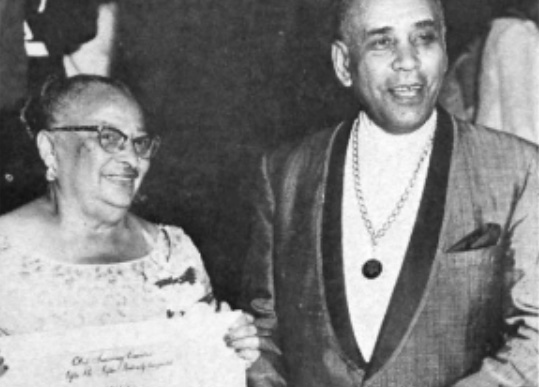
Mrs. Anna C. Gross was recognized at the 1968 General Convention with a citation.
Mother Gross was recognized by the Fraternity for serving the Brothers of the Gamma Lambda Chapter as House Mother for more than 30 years. Held in the highest esteem by all the men of Gamma Lambda Chapter, truly she was the spark that kept the house open and going for more than 30 years.
1970s
During the 1970's, The Alpha House continued to be focal point for the formulation of plans and programs and the mobilization of the community to systematically attack the inequities in employment, housing and education that had long plagued and disadvantaged the Black community.
Brothers Damon Keith, Dennis Archer and many other Gamma Lambda brothers worked to elect Detroit's first Black mayor, Coleman A. Young in 1974. They also helped to elect numerous judges and local officials. Many of the brothers who helped elect Mayor Young went on to serve as city commissioners and appointed department heads. Brother Archer was later elected mayor himself.
- 1971
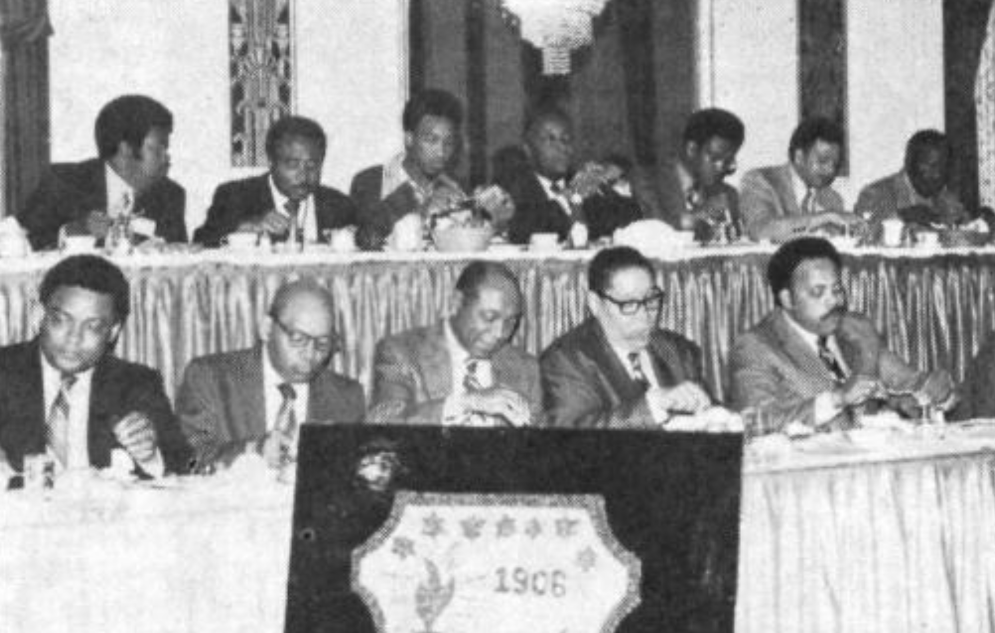
Brother Barton W. Morris, JD was installed as General Counsel at the 57th General Convention/65th Anniversary Convention in Milwaukee Wisconsin.
Brother Morris served during the 1971 and 1972 fraternal years. He previously served as chapter Financial Secrtary from 1951 until 1961 and secrestary of the Electoral Commission
- 1971
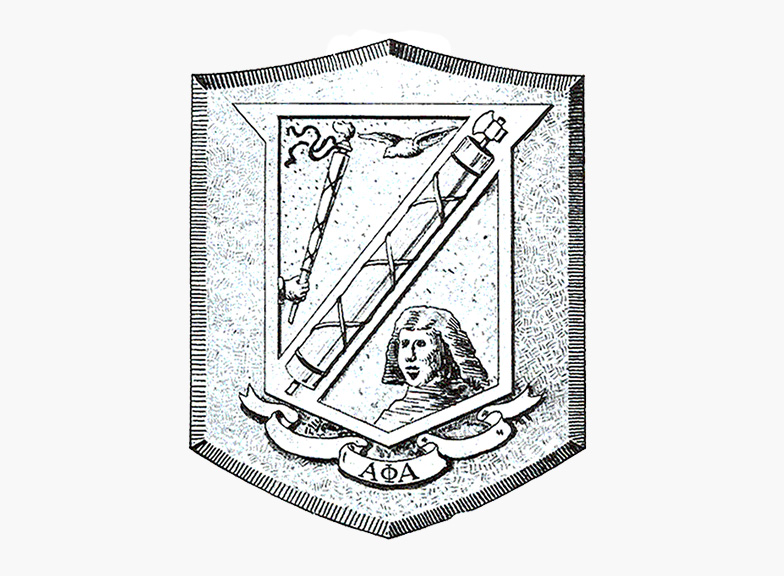
Gamma Lambda Chapter formed a non-profit corporation under Act 327 of Michigan Public Acts of 1931 known as Alpha Phi Alpha Non-Profit Housing, Incorporated.
The nonprofit was formed to "To provide housing for low- and moderate-income families and for elderly persons," as defined in the National Housing Act.
- 1977
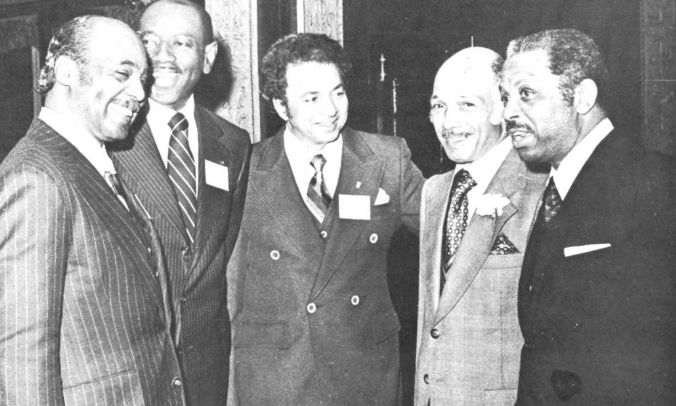
Brother Leven C. Weiss retired from the IRS.
He was celebrated at a gathering at the St. Regis Hotel in Detroit. Brother Weiss served as General Treasurer. He was the 28th Chapter President from 1962 to 1965.
- 1977
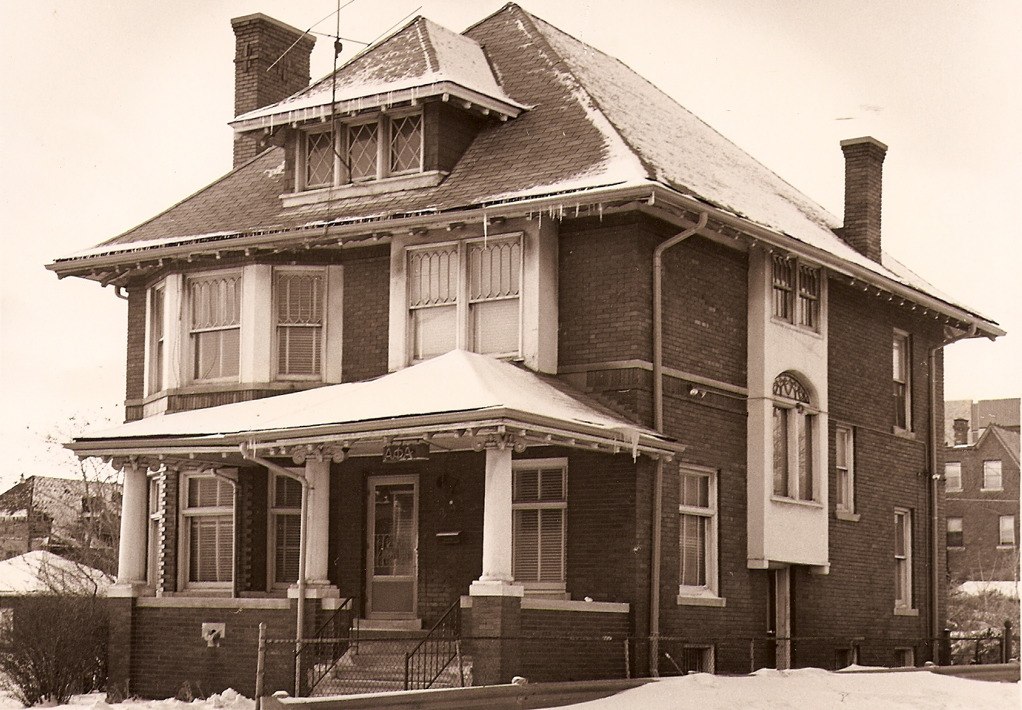
The Alpha House was added to the Michigan Historic Register.
On August 31, 1977, the Alpha House was rewarded for years of habitation by the Michigan Historical Commission, citing the house as significant for its role as a focal point for Black social, cultural, educational, and community service.
- 1978
Michigan Historic Marker Installed and Dedicated.
On April 23, 1978, Chapter President Brother Ivan L. Cotman dedicated the state historical marker at a ceremony at the Alpha House. The original marker, which had been affixed to the Alpha House, was replaced with a new freestanding historical marker in 2015.
- 1979
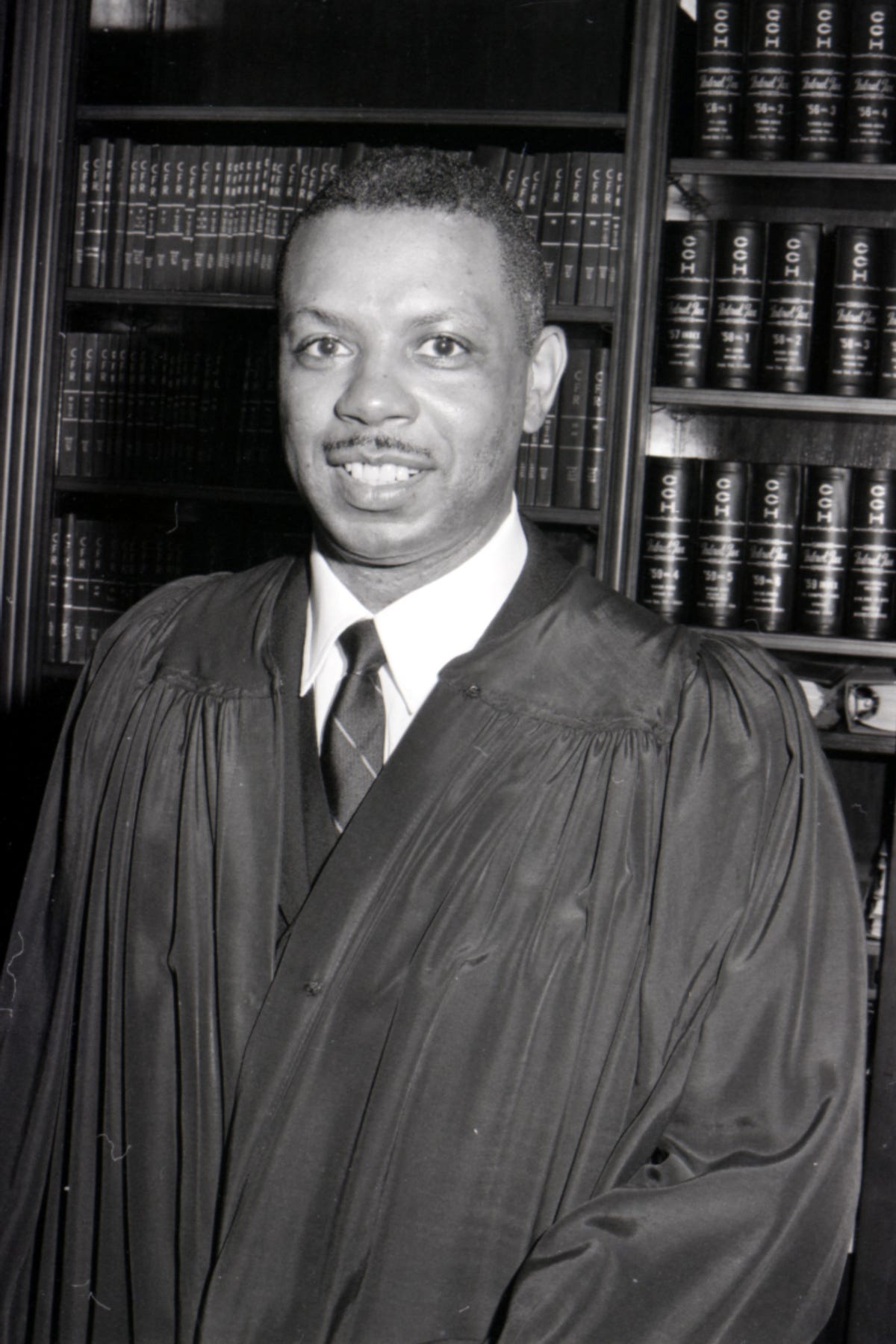
President Jimmy Carter appointed Brother Judge Damon J. Keith to the U.S. Court of Appeals for the Sixth Circuit.
Brother Keith ruled on cases about integration, public housing, affirmative action, unlawful deportations, voting rights, and much more.
1980s
During the 1980's, the men of Gamma Lambda worked diligently to improve the educational, economic, political and social conditions of the African American community, while acting to provide a voice and vision to the struggles of our people. During this decade, the chapter began to formalize our efforts in ssupport of the nGo-to-High-School, Go-to-College national program.
Under the leadership of Brother Henry E. Dees, the Gamma Lambda Education Foundation was established. The legacy of the Gamma Lambda Education Foundation has been and will always be to make sure African American males have a viable opportunity to pursue educational excellence beyond high school. The dream of a better life starts with one individual who dares to have a dream and then proceeds to believe it can become reality.
- 1981
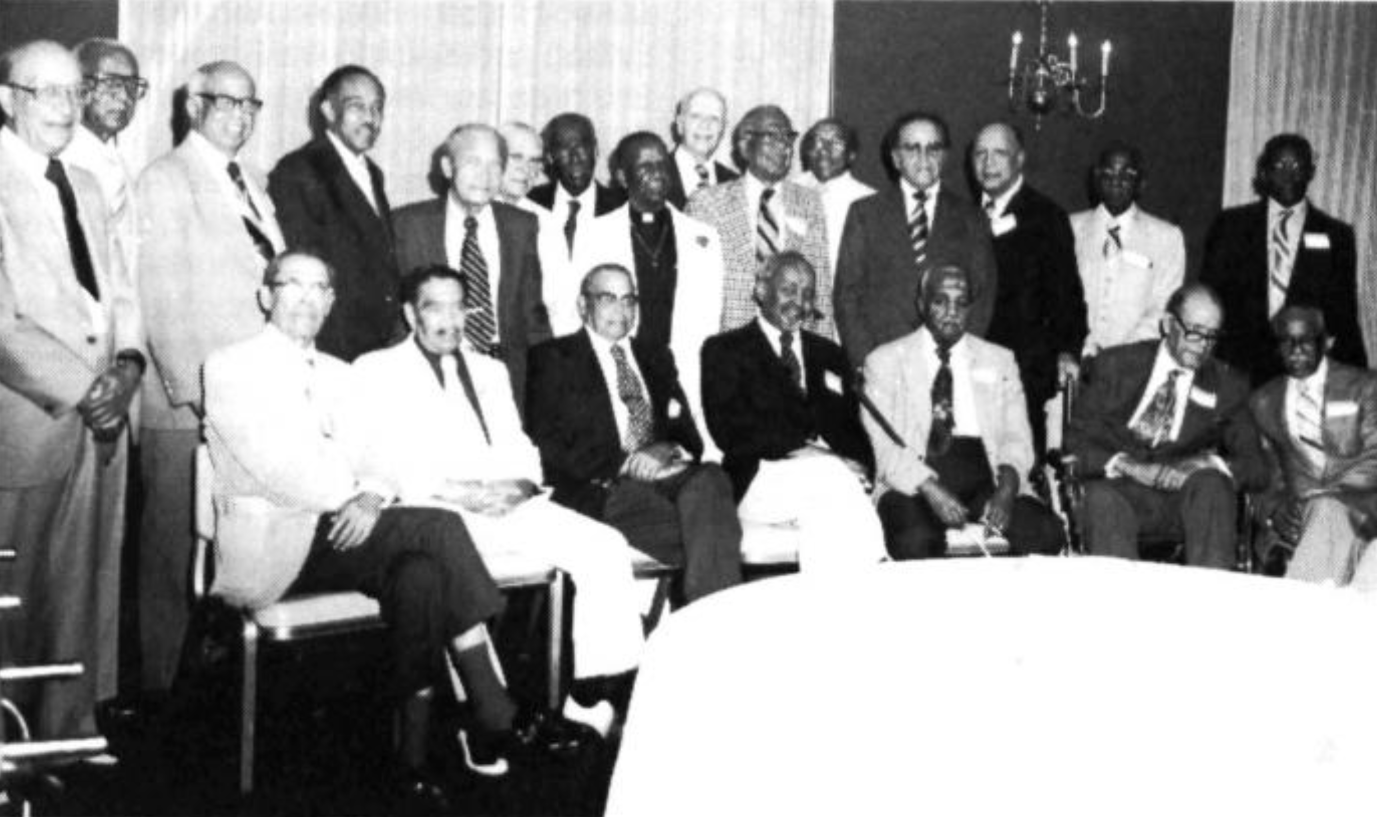
Gamma Lambda held a banquet to honor thirty Alpha Brothers whose membership in the fraternity spanned fifty years or more.
The banquet tribute was held in Detroit's Book Cadillac Hotel, site of the fraternity's 1953 General Convention. Representing nearly sixteen hundred years of membership in Alpha, this distinguished group of men was led in seniority by Brother Coit Ford, whose affiliation with the Fraternity began sixty-seven years ago at Wilberforce University (Xi Chapter). Others honored included two sets of blood brothers and four survivng founders of Alpha Upsilon Chapter in 1926.
- 1982
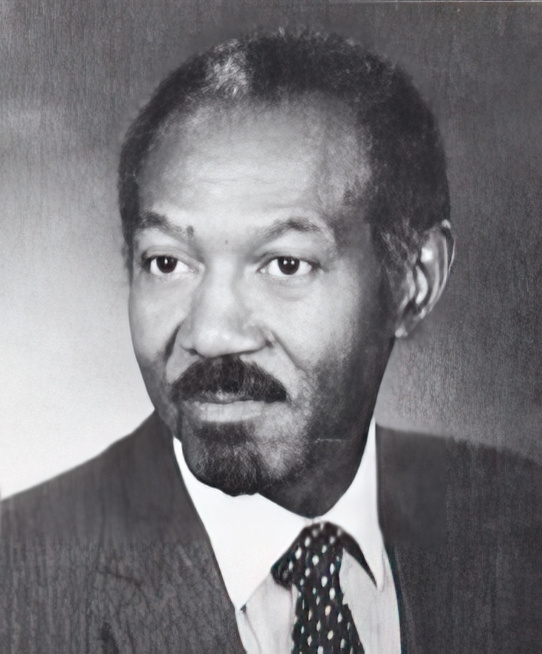
The Gamma Lambda Education Foundation was Established.
The Gamma Lambda Education Foundation was established as a Michigan nonprofit corporation on April 27, 1982, charged with raising funds and awarding annual scholarships to deserving high school graduates. Brother Henry E. Dees was appointed President. He led and coordinated these efforts for 27 years and established the Foundation as an anchor in the community.
- 1982
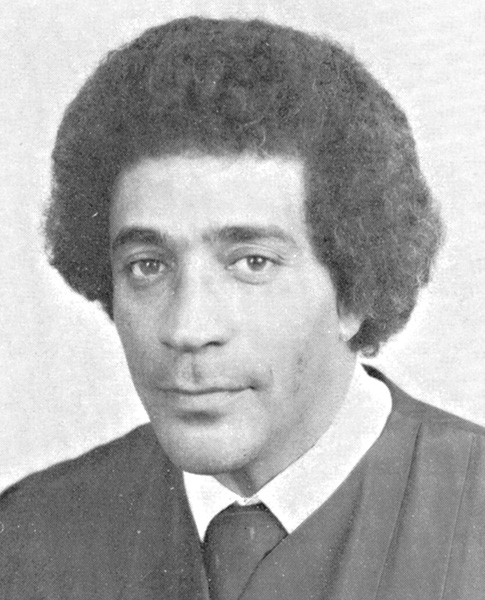
Brother Judge Myron H. Wahls was appointed to the Michigan Court of Appeals.
Brother Wahls was appointed to the Michigan Employment Security Commission and Wayne County Circuit Court before serving on the Michigan Court of Appeals from 1982 until his death in 1998. As a pianist, Judge Wahls had a standing gig at The Caucus Club, a steakhouse in Detroit's business district.
- 1983
Brother Lawrence D. Crawford, DDS elected Mayor of Saginaw, Michigan.
Brother Crawford served from 1983 to 1987. He would later serve on Alpha Phi Alpha's National Economic Development Committee.
- 1985
An initiation was held on July 18, 1985.
"Catch 22" was unique because it included 14 alumni brothers and eight college brothers. The college brothers were initiated through Gamma Lambda and are the founding members of Pi Upsilon Chapter, on the campus of the University of Michigan-Dearborn.
- 1985
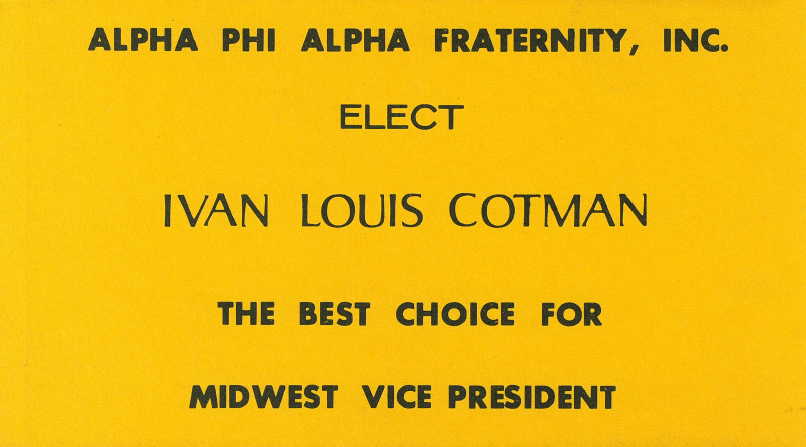
Brother Dr. Ivan L. Cotman became the first Gamma Lambda brother elected to the position of Midwestern Regional Vice- President.
Brother Cotman served the Midwestern Region from 1985 to 1988.
- 1988
Alpha Development Corporation filed its Articles of Incorporation in the office of the Michigan Corporation and Securities Commission on March 9, 1988.
The initial projects were the acquistion of vacant and existing properties adjacent to the Alpha House on Eliot St.
- 1989
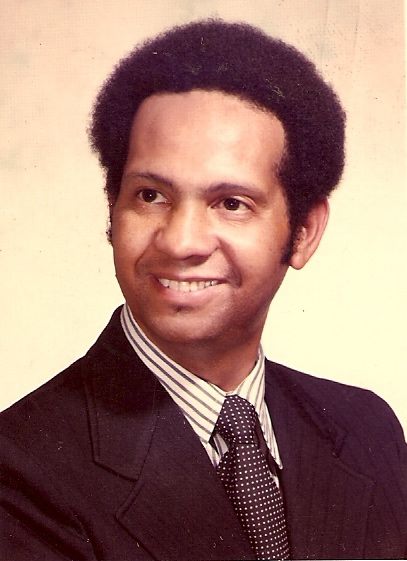
Brother Dr. Ivan L. Cotman became a finalist for General President.
The charismatic Brother Cotman launched a bid to become the 27th General President of Alpha Phi Alpha Fraternity. He was successful in becoming one of the two final contenders. Unfortunately, Brother Cotman's campaign fell short and Brother Henry Ponder became General President.
1990s
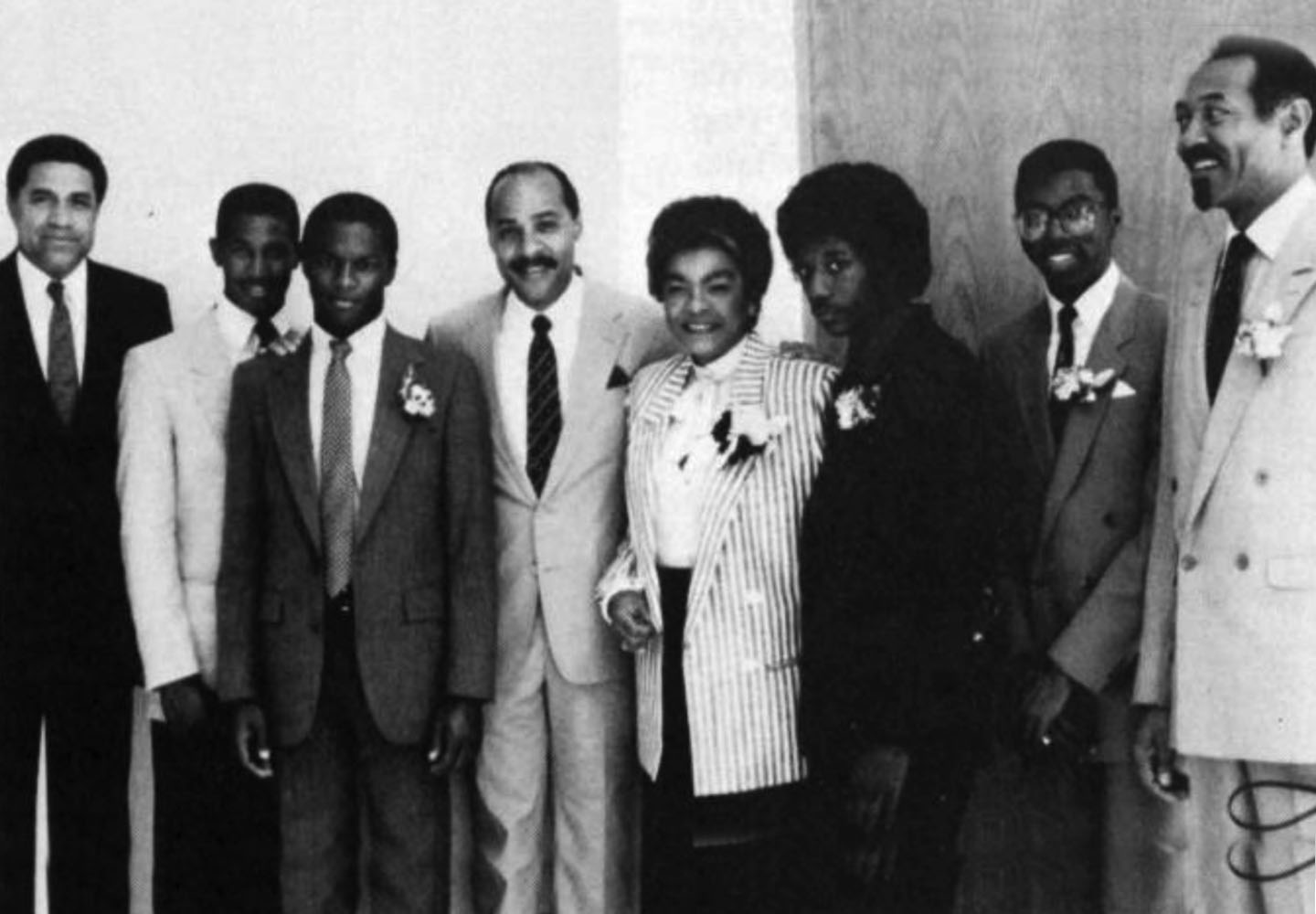
As the 1990s progressed, a revival began to take hold in Brush Park. New condominiums were built in the southern part of the district, near the Fisher Freeway, and a few of the older mansions were restored.
In the mid-1990s, Gamma Lambda worked with the Sankofa Project, which provides support, resources, and guidance to children and teenagers. Gamma Lambda was recognized as having supported "some of the city's most alienated youths." One of the youths the Alpha brothers work with said, "it makes me feel good. It makes me feel like I count and somebody cares."
- 1991
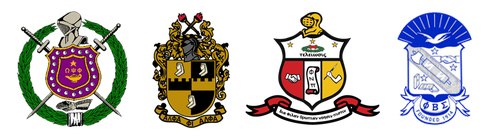
The O.A.K.S. Alliance was established.
Recognizing the importance of reversing the economic and social crisis affecting African American families, four fraternal organizations - Omega Psi Phi, Alpha Phi Alpha, Kappa Alpha Psi, and Phi Beta Sigma - joined together as the O.A.K.S. Alliance. The purpose of the O.A.K.S. Alliance was to work with "at-risk" African American male youths within the Greater Detroit area.
- 1991

Brother Larry E. Boatwright became the 40th President of Gamma Lambda.
Brother Boatwright, initiated in 1988, was the youngest president in terms of years in the fraternity to attain the highest position. He was also the longest tenured president in the history of the chapter, serving five consecutive terms.
- 1991

In coordination with a local Boy Scout troop, Gamma Lambda participates in Meals on Wheels for the first time
The chapter continues this tradition by delivering meals on Christmas, Easter, Labor Day and Thanksgiving each year.
- 1993
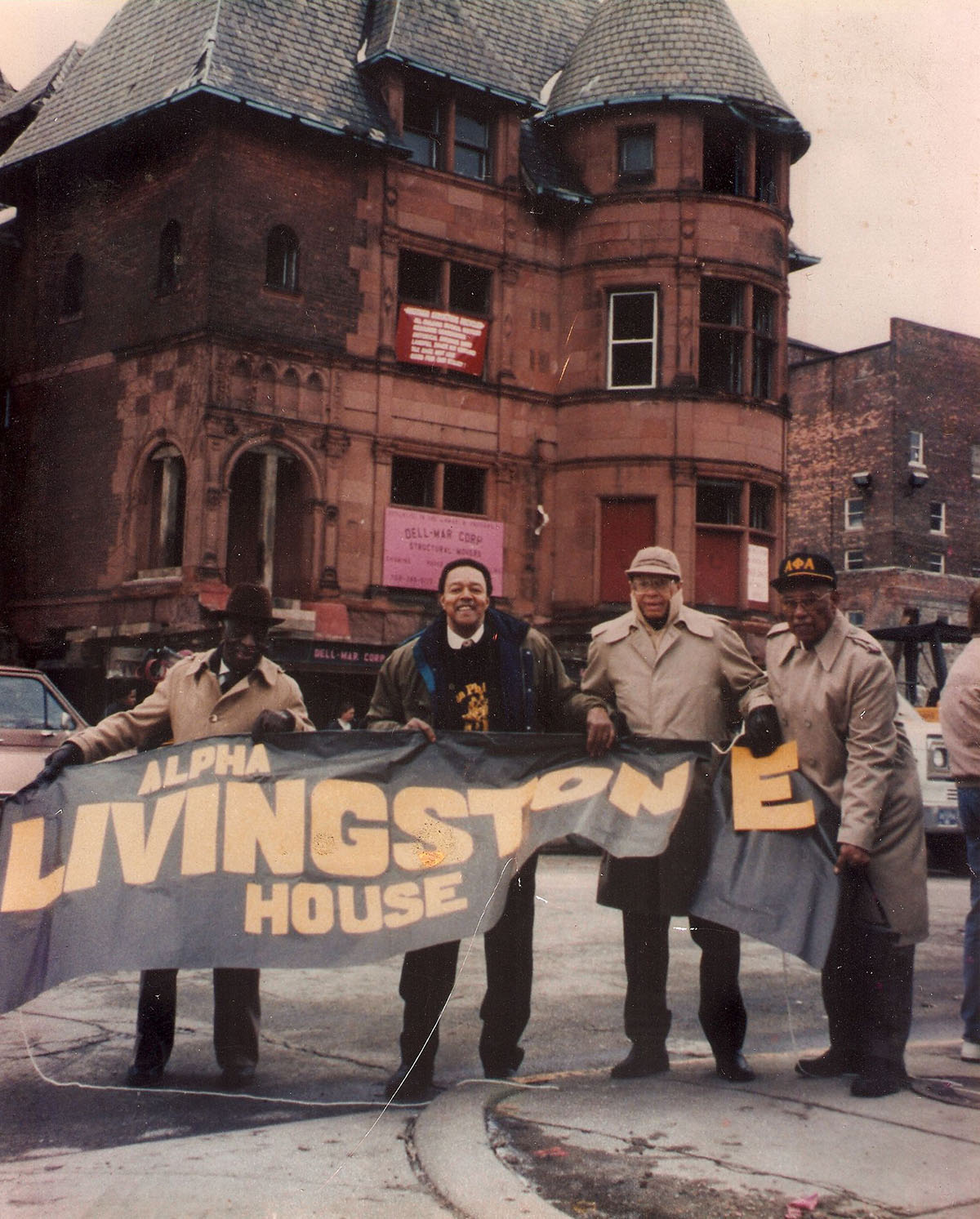
The Livingstone House was purchased.
In 1993, Gamma Lambda Chapter acquired the William Livingstone House, an 1894 French Renaissance house designed by Albert Kahn, and described as "one of the premier buildings" in Brush Park. The house was located a block away from the Alpha House and had been vacant for at least ten years. The historically minded Brothers of Gamma Lambda Chapter sought to preserve the house. With a bid of one dollar Gamma Lambda was able to purchase the home.
- 1994
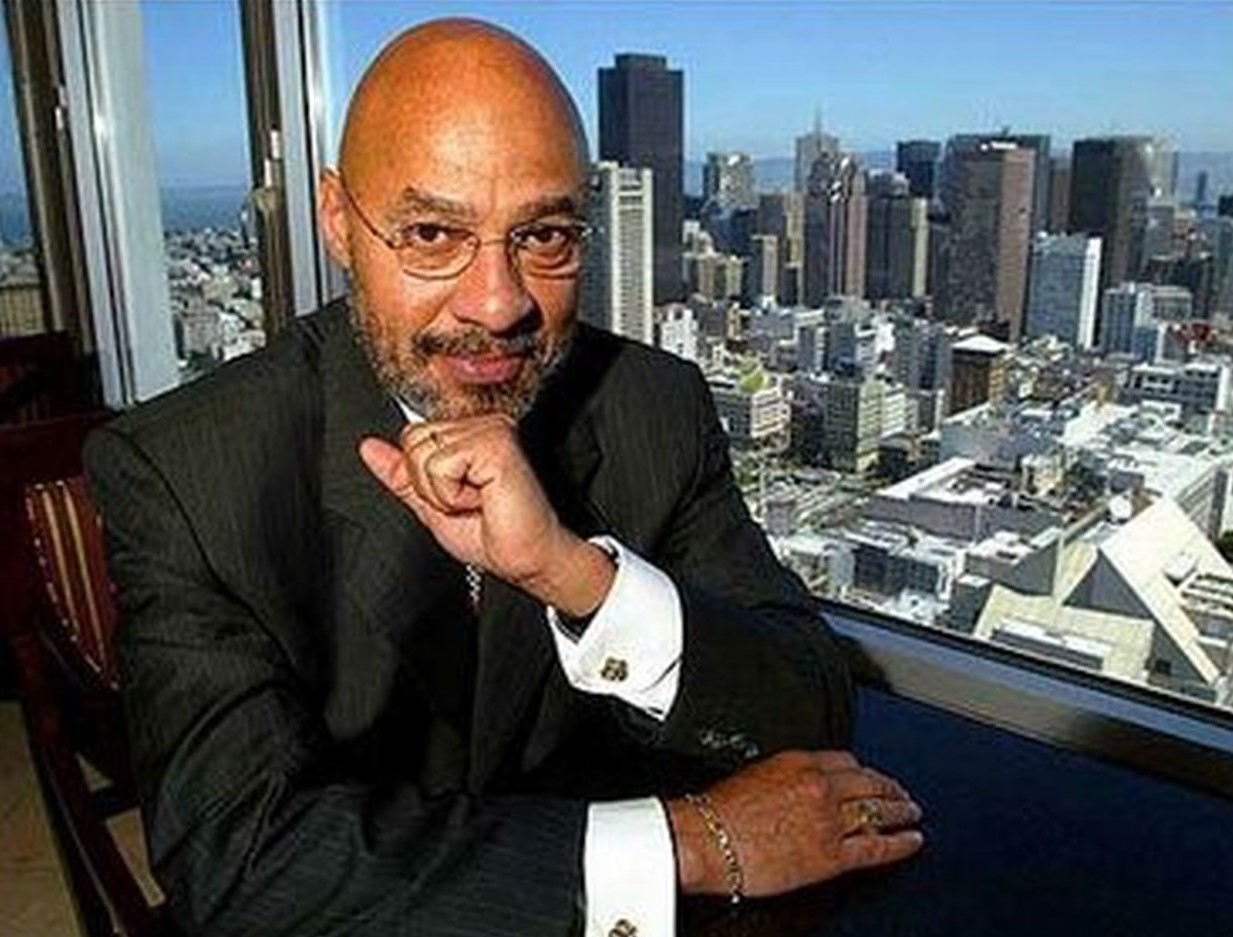
Brother Dennis Archer elected Mayor of Detroit.
He would go on to win re-election in 1998. During Archer's tenure as mayor, Detroit experienced a decrease in crime and an increase in economic growth.
- 1996
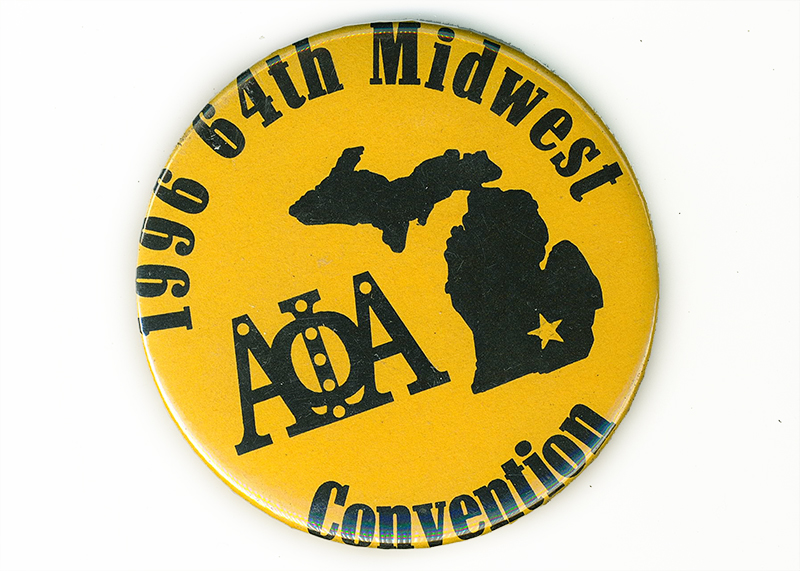
The 74th Midwestern Regional Convention was hosted by the Gamma Lambda Chapter,
Held April 25-28, 1996 at the Westin Hotel in Detroit, Brother Larry E. Boatwright served as the chairman of the planning committee.
- 1999
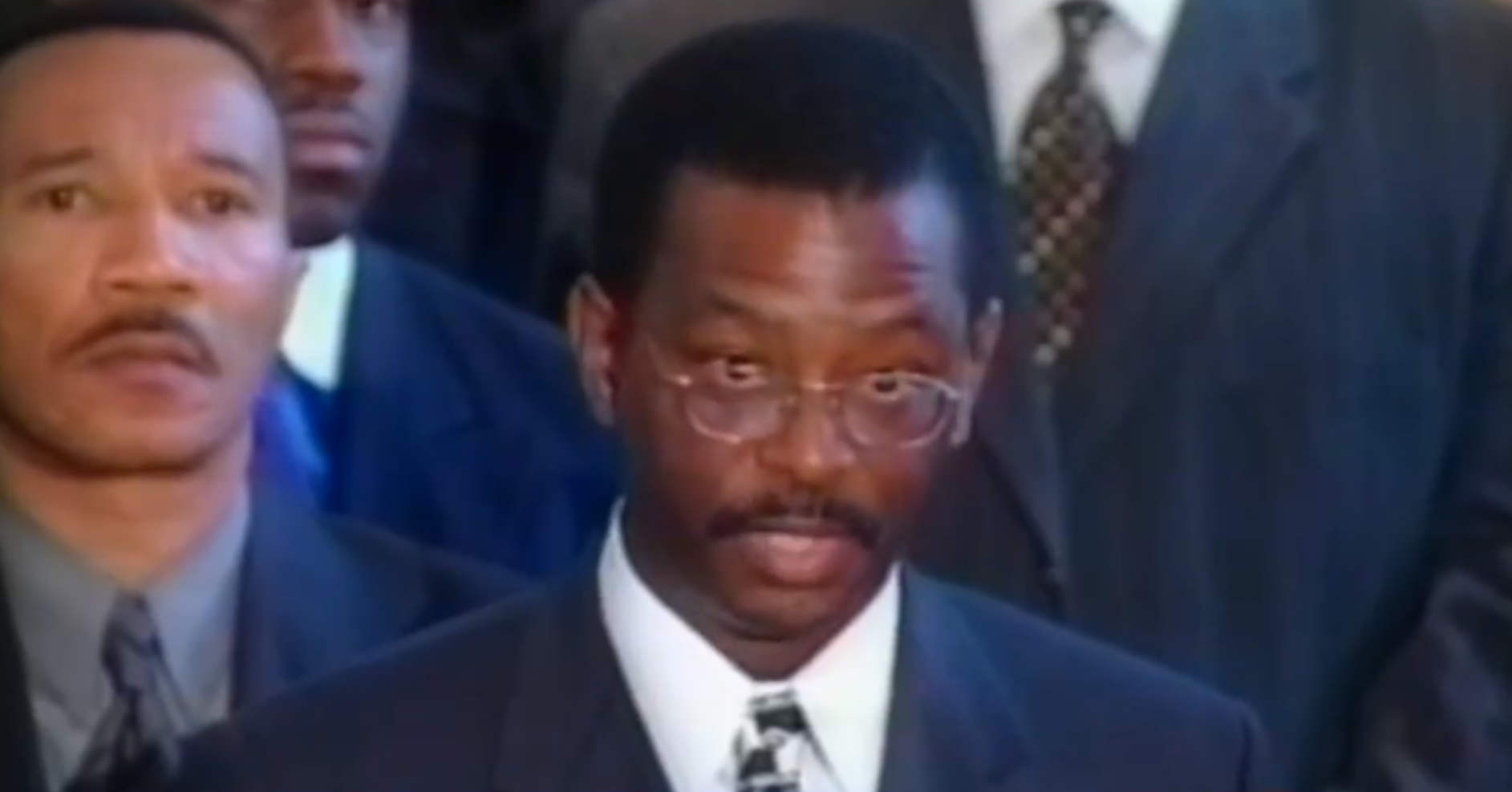
Brother Harold D. Pope elected President of the National Bar Association.
He would later serve on the American Bar Association Board of Governors.
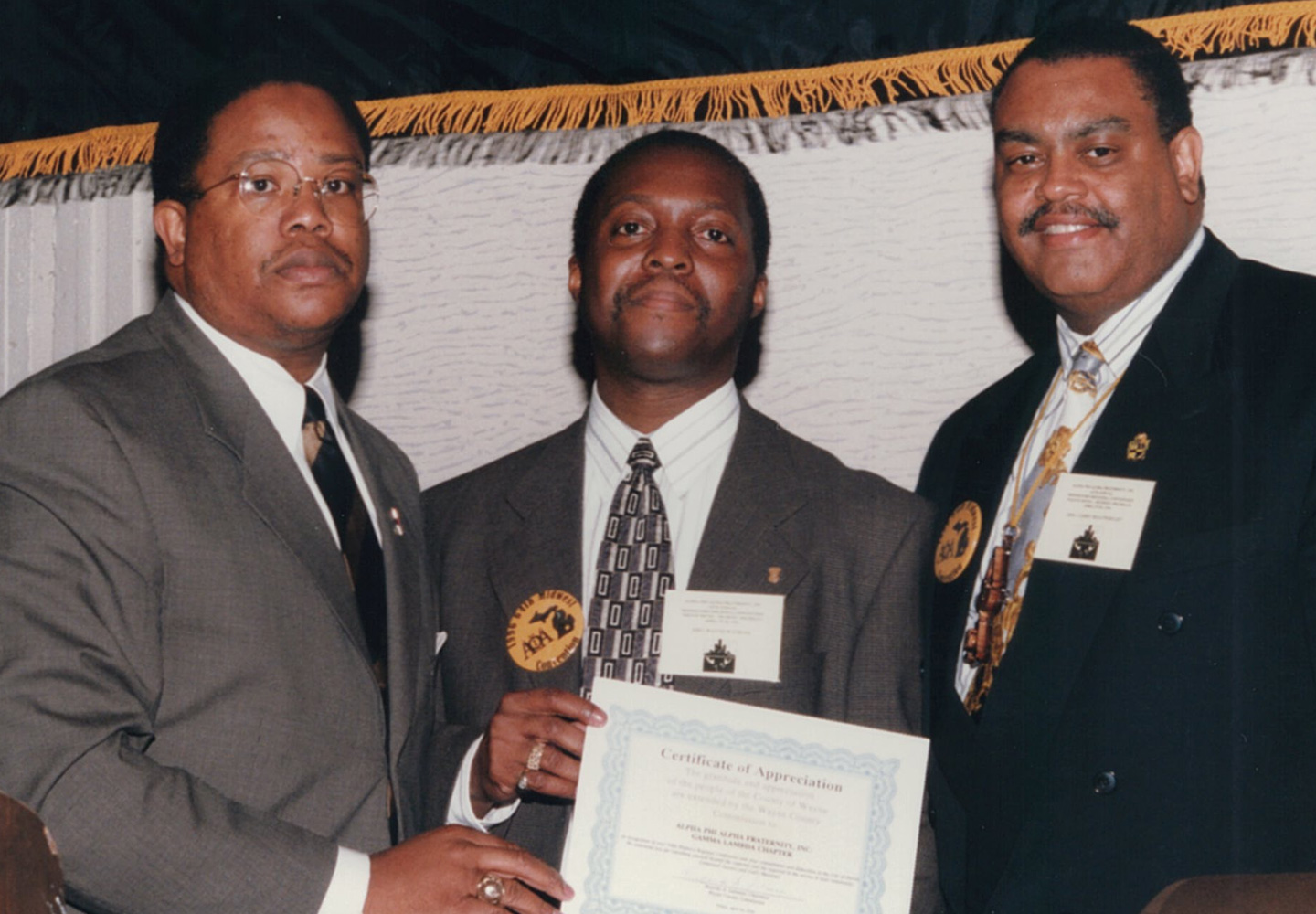
2000s
During the 2000's the fraternity reach a significant milestone. Alpha Phi Alpha reach the centennial mark and celebrated the 100th Anniversary of the Fraternity.
Throughout the history of the chapter, the men of Gamma Lambda have had a profound impact on their community either individually, through the fraternity, or in partnership with others. Men of Gamma Lambda Chapter have included educators, physicians, attorneys, and community workers, many of whom broke color barriers in their respective fields and opened doors for those who followed. Through their accomplishments and service, these men played a significant role in the uplift of the African American community of Detroit.
- 2001
Brother David S. Robinson, Jr. was elected Justice of the 36th District Court.
- 2001
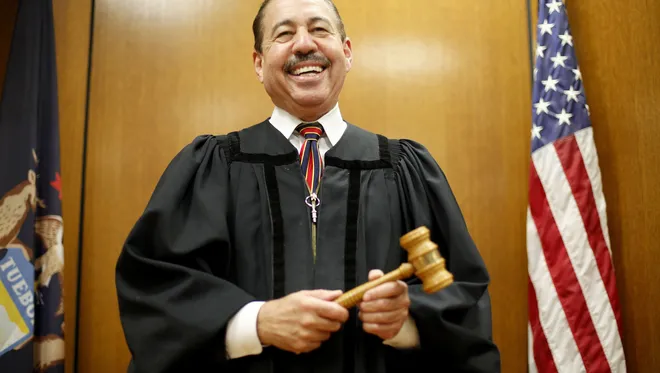
Brother Craig Strong was named Justice of the 3rd Circuit Court Michigan.
Judge Strong was re-elected in 2002, 2008 and 2014. He was instrumental in the establishment of the Charles H. Wright African American History Museum in Detroit and has been honored with their Outstanding Museum Service Award for his extensive fund-raising efforts.
- 2001
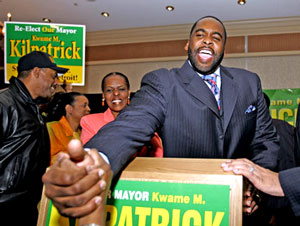
Brother Kwame Kilpatrick was elected as Mayor of Detroit.
He became the youngest mayor of Detroit when he was elected at age 31.
- 2002
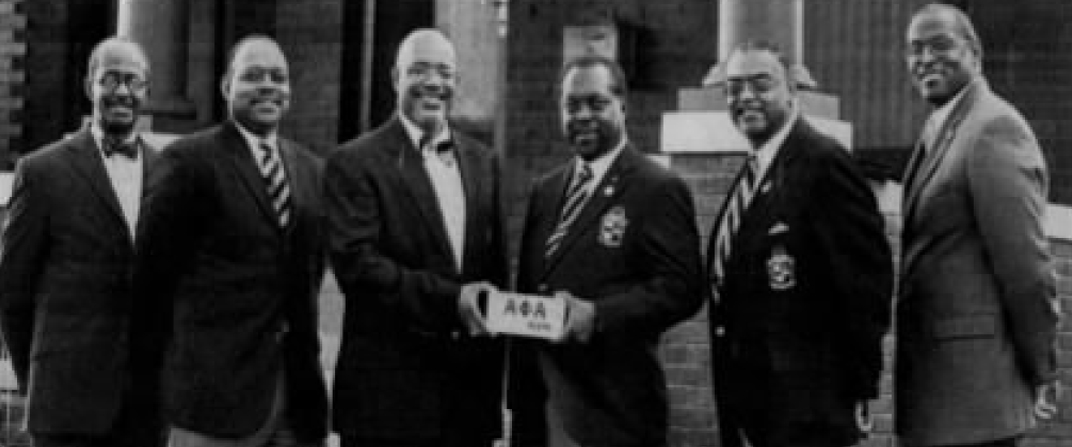
The chapter mounted a massive fundraising and awareness campaign to raise money for the Martin Luther King Memorial to be built in Washington D.C.
President George W. Watkins selected Brother Robert Hawkins, a prominent member of the chapter to lead the effort. The formal fundraiser netted more than $77,000 for the memorial, which launched other major fundraising and contributions in the state of Michigan. The Martin Luther King Fundraiser served as the largest fundraising effort in chapter's history.
- 2003
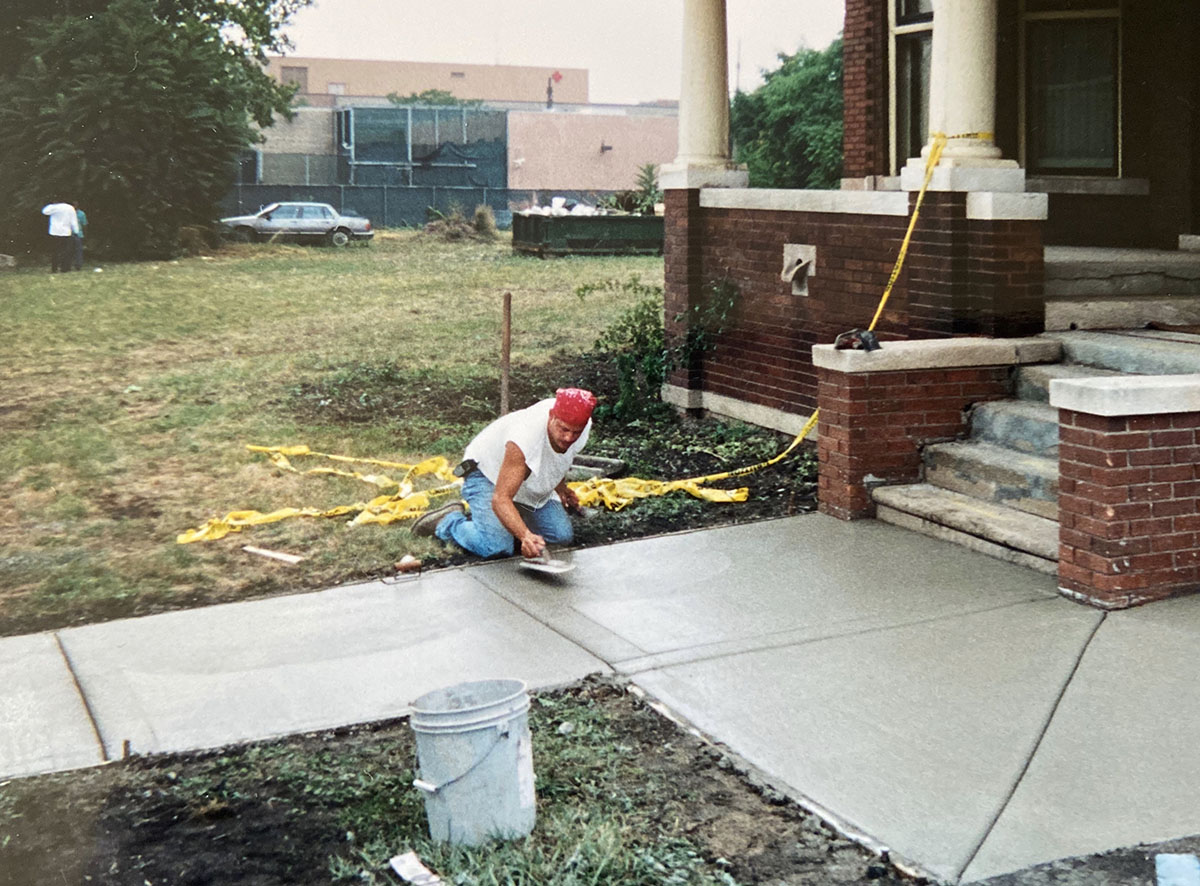
Renovations begin on the Historic Alpha House in preparation for the 2003 General Convention in Detroit.
Championed by Brother William J. Lyons, IV during the administration of President George Wayne Watkins, more than two hundred thousand dollars was spent renovating the Alpha House using funds from federal grants and donations.
- 2003
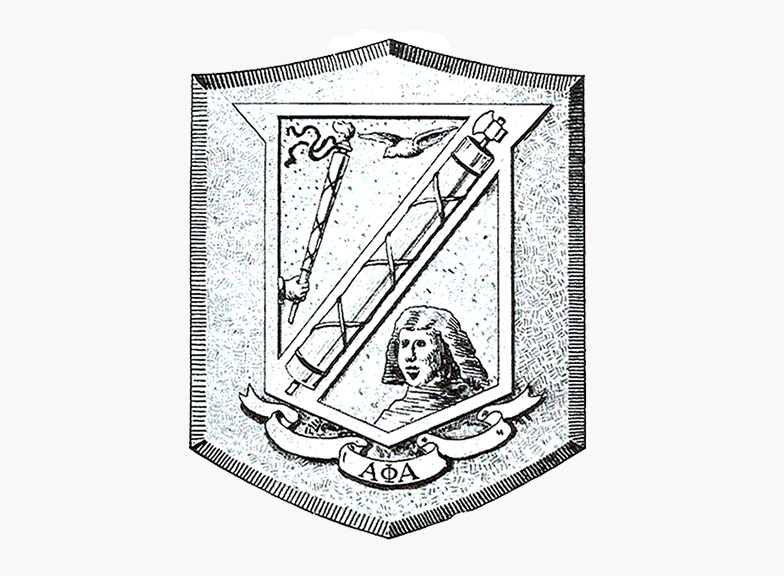
Brother Reginald Turner was named to the Michigan State Board of Education.
He was re-elected to 2006.
- 2003
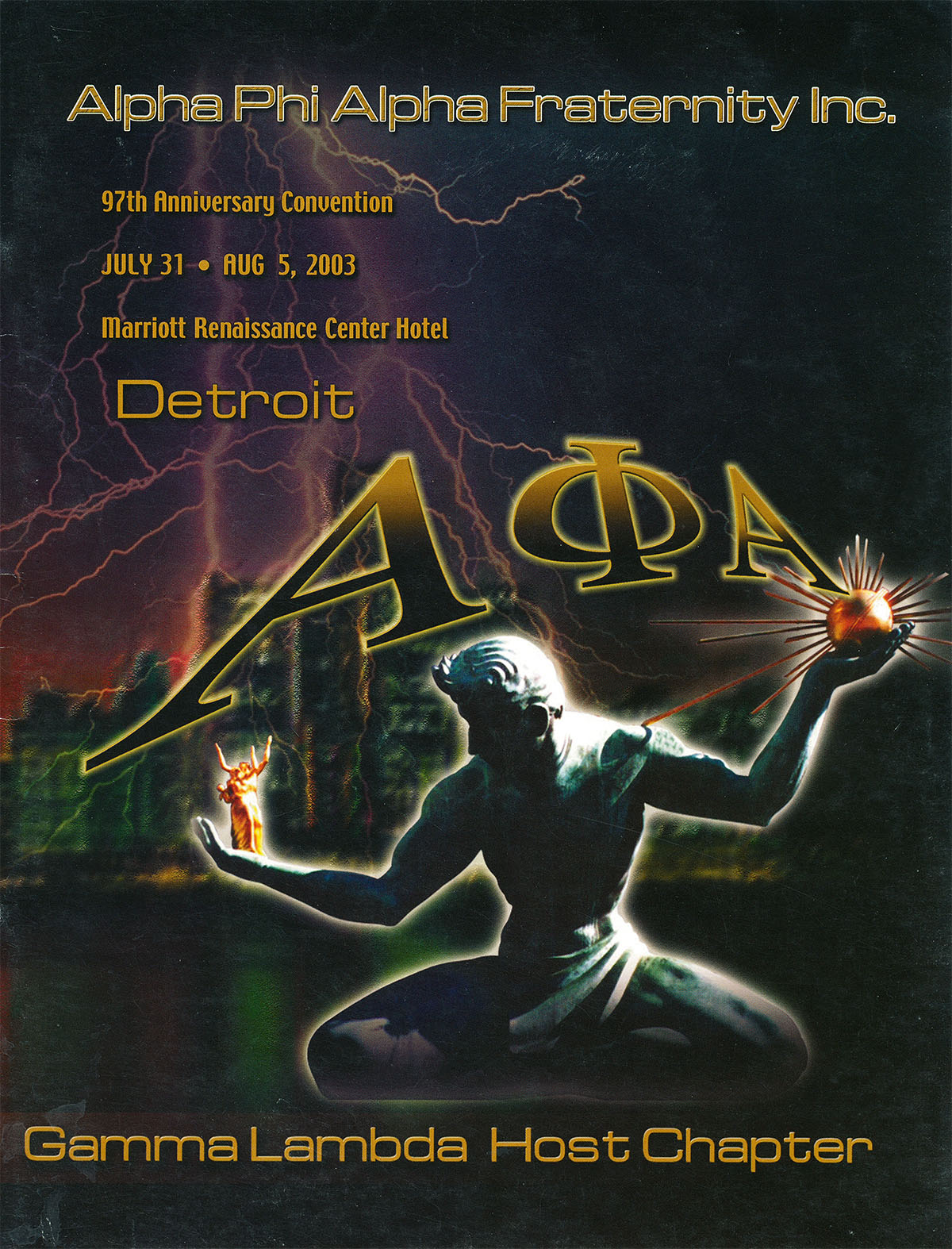
85th General Convention/97th Anniversary Convention of Alpha Phi Alpha Fraternity, Inc. was hosted by Gamma Lambda and Pi Upsilon.
July 31 - August 5, 2003 in Detroit, Michigan.
- 2006
The brothers of the Midwestern Region descended upon the city of Dearborn, Michigan to celebrate 100 Years of Alpha Phi Alpha Fraternity, Inc.
The Seventy-fourth Midwestern Regional Convention: A Century of Spirit and Brotherhood, A Lifetime of Service and Culture was held on March 31 through April 2, 2006 at the Hyatt Regency Hotel in Dearborn. The convention was hosted by Gamma Lambda, Pi Upsilon and Theta Tau Chapters. Brother Mark S. Tillman served as the chairman of the planning committee.
- 2007
The Gamma Lambda Community Development Corporation was established as a private, 501(c)3 nonprofit organization.
Established in May 2007 under the guidance of Brothers Alonzo F. Terry, Jr, William J. Lyons, IV and Dr. Richard T. James, Jr, this non-profit has a purpose to create programs that educate and enhance the lives of urban, at-risk males.
- 2007
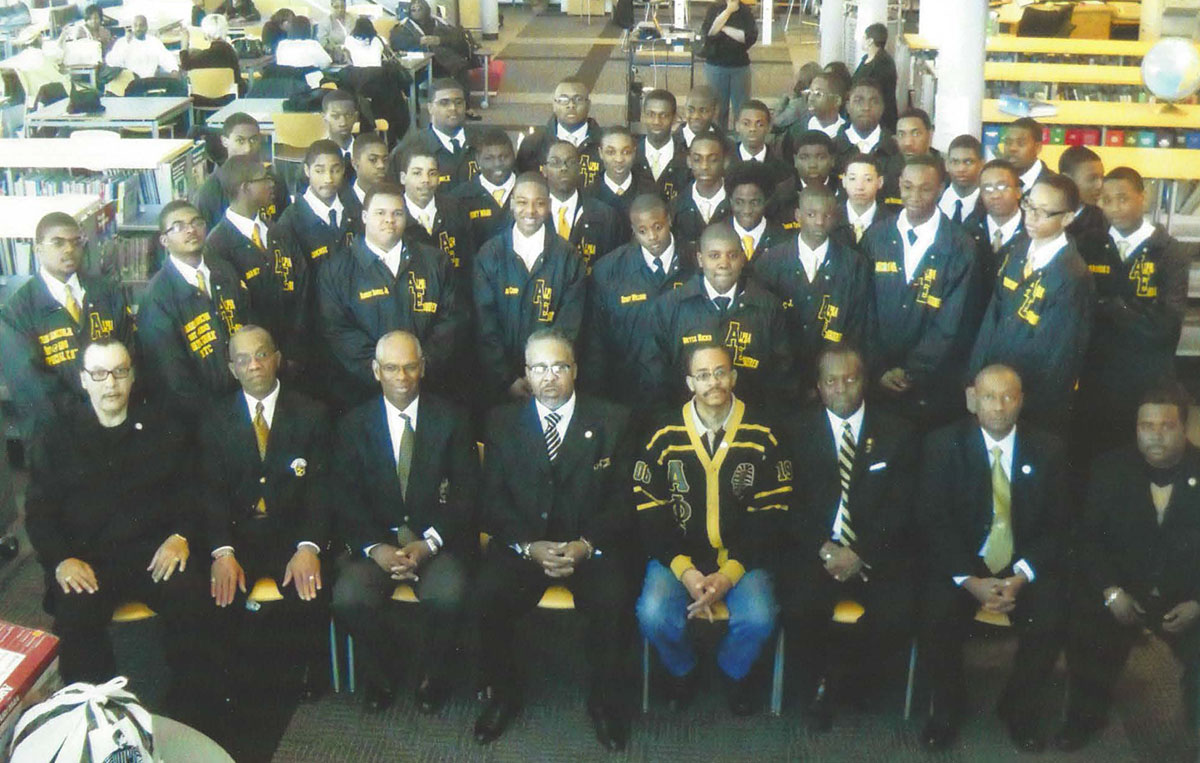
The Alpha Teens, which later became the Alpha Esquire MENtor Program, held their first meeting.
The Brothers of Gamma Lambda felt both a need and a duty to reach out into the community at large to reclaim and reconnect with our young African American males. On October 3, 2007 the first meetingg was held.
- 2007
The first Alpha Phi Alpha Brotherhood Breakfast Forum was held.
Championed by Brother Donald Snider, Gamma Lambda, these Brotherhood Breakfasts were held as a way to bring Brothers together in the "Spirit of '06" for followship and discussion about various topics, including mens' health, financial literacy and economic development.
- 2008
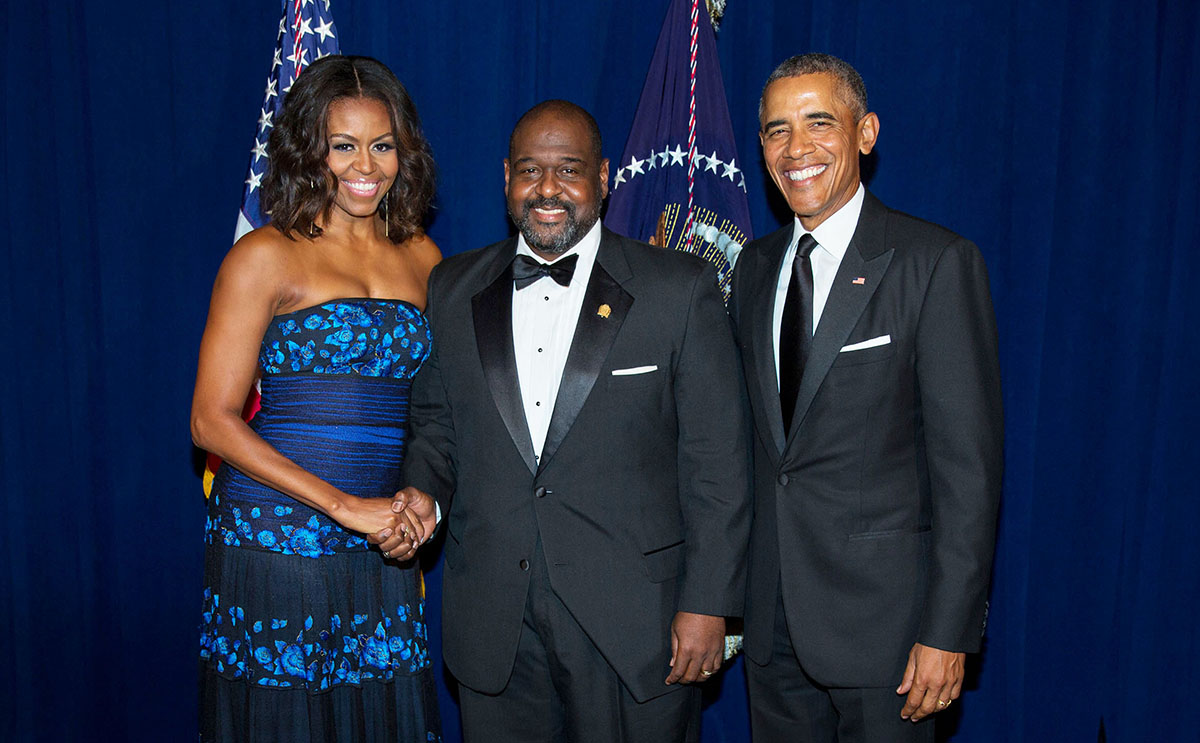
Barack H. Obama was elected the 44th President of the United States.
On November 4, 2008, Obama became the first African-American to be elected President.
- 2009
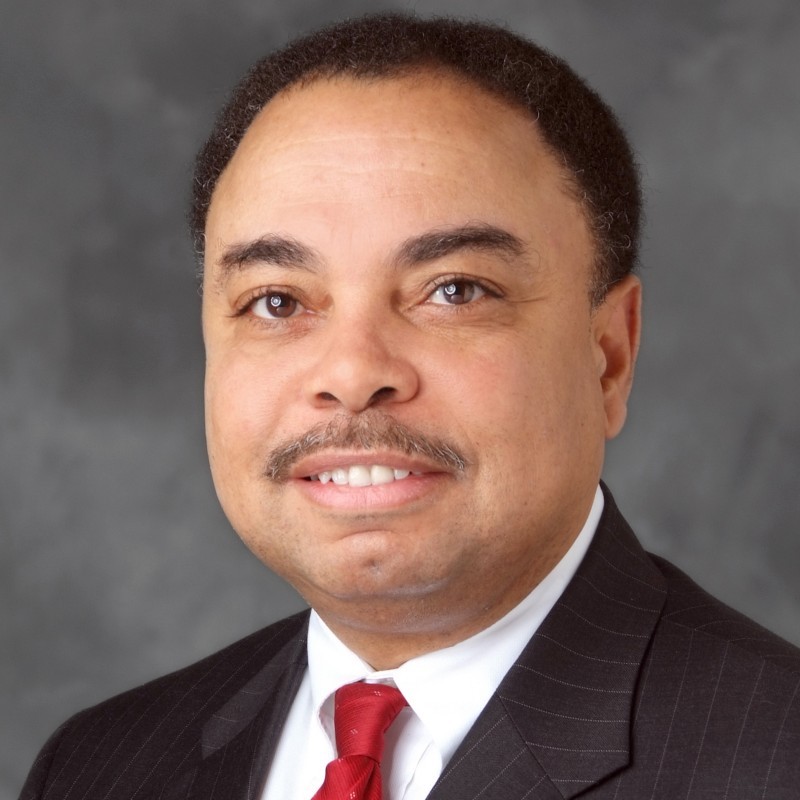
Brother Richard E. Smith, M.D. was elected as the first African American President of the Michigan State Medical Society/American Medical Society.
Brother Smith was the first African American to serve as Medical Society president. An Epsilon Chapter initiate, Brother Smith was the 1973 College Brother of the Year.
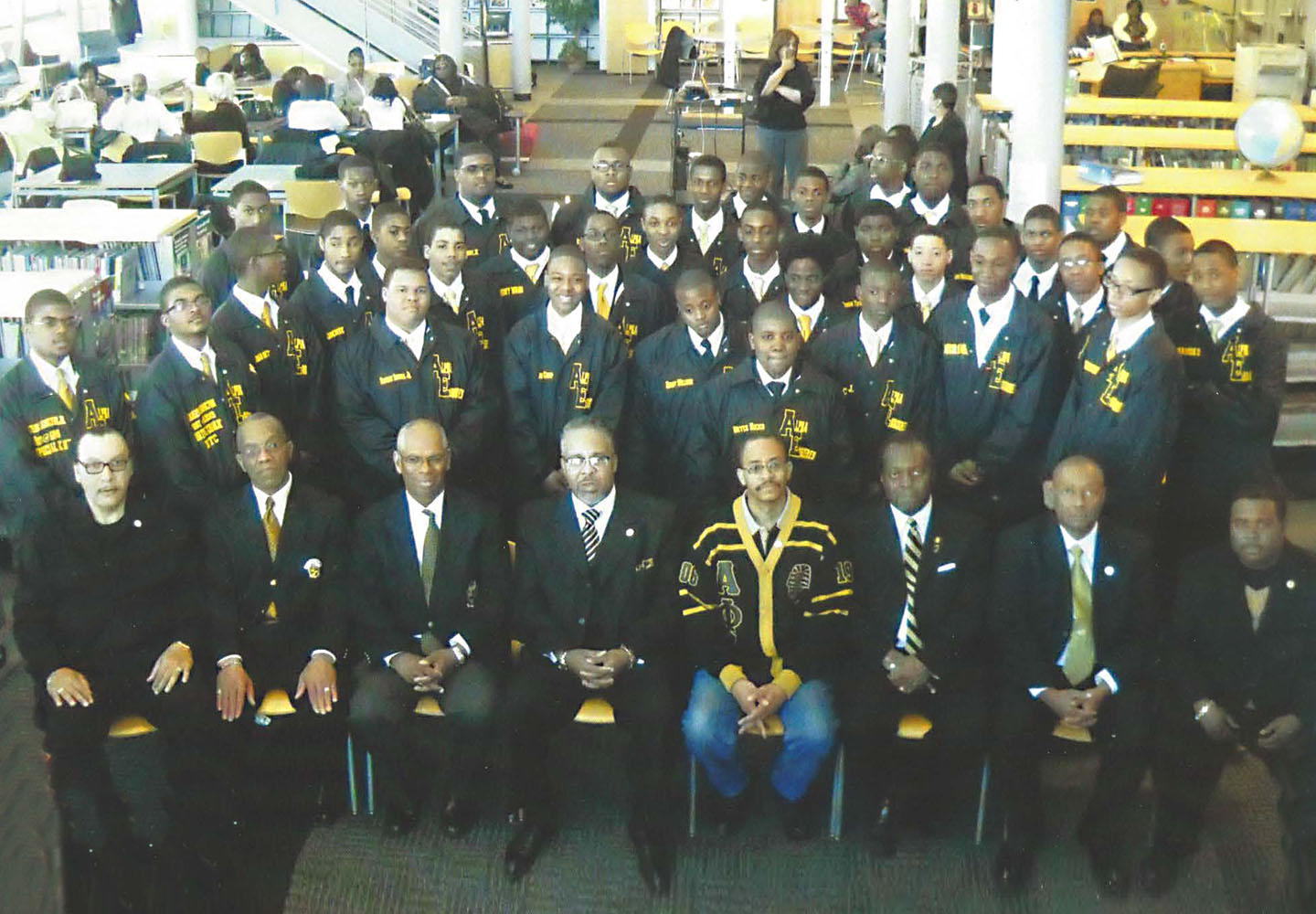
2010s
During the 2010's the chapter continued to grow. Chapter membership increase from the low 100's to almost 250 members due to our reclamation efforts and the excitement around the upcoming chapter centennial.
National and local programs provided opportunities and mechanisms to lead and inspire others to greater achievement. Brothers took on leadership positions within the Midwestern Region and the Genenral Organization. Those across the country began to notice and recognize the Chapter's efforts.
- 2010
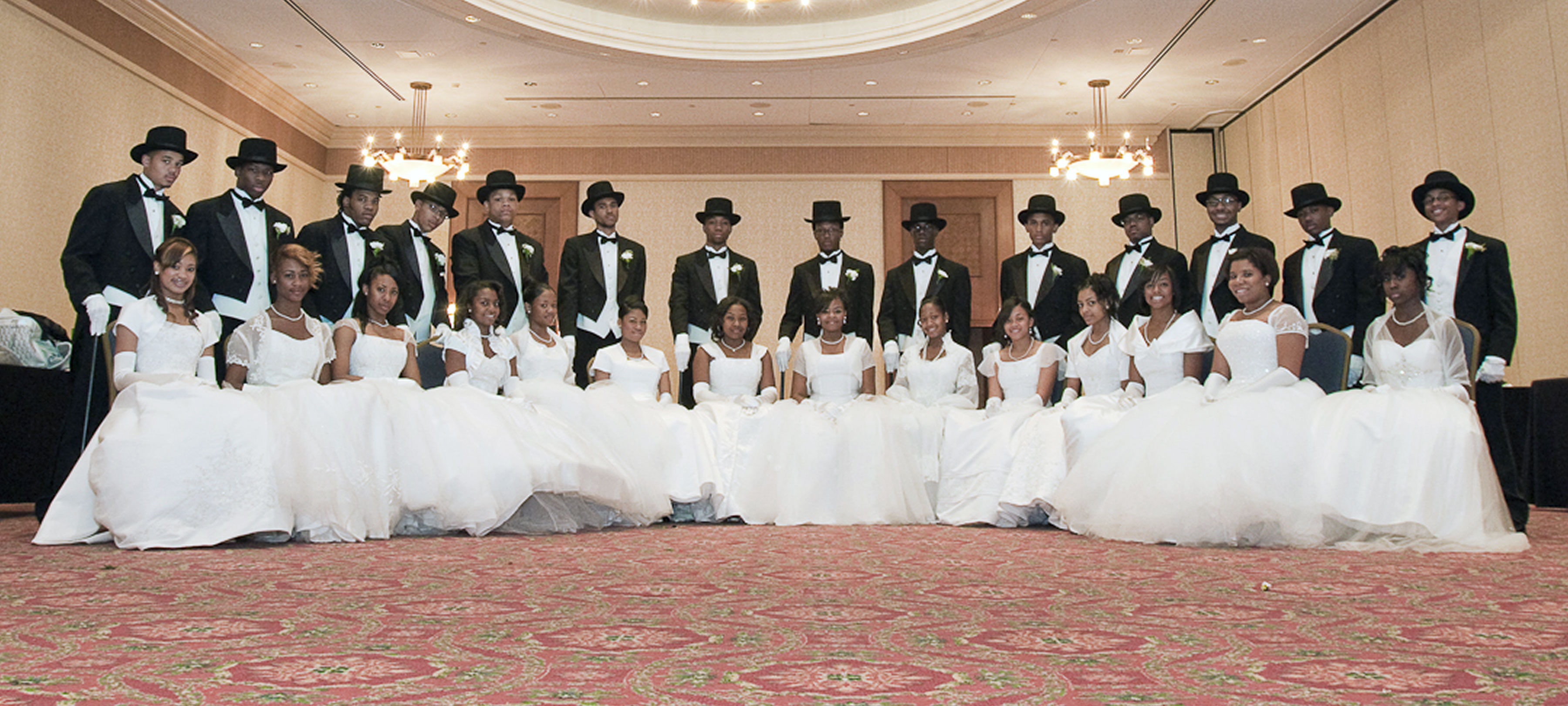
Gamma Lambda's first Beautillion was held.
At a lavish affair held in May 2010 at the Detroit Marriott in the Renaissance Center in downtown Detroit, fifteen young men were presented to society. All attended colleges and universities across the country that Fall. This event raised money for scholarships to assist them in their academic endeavors.
- 2011
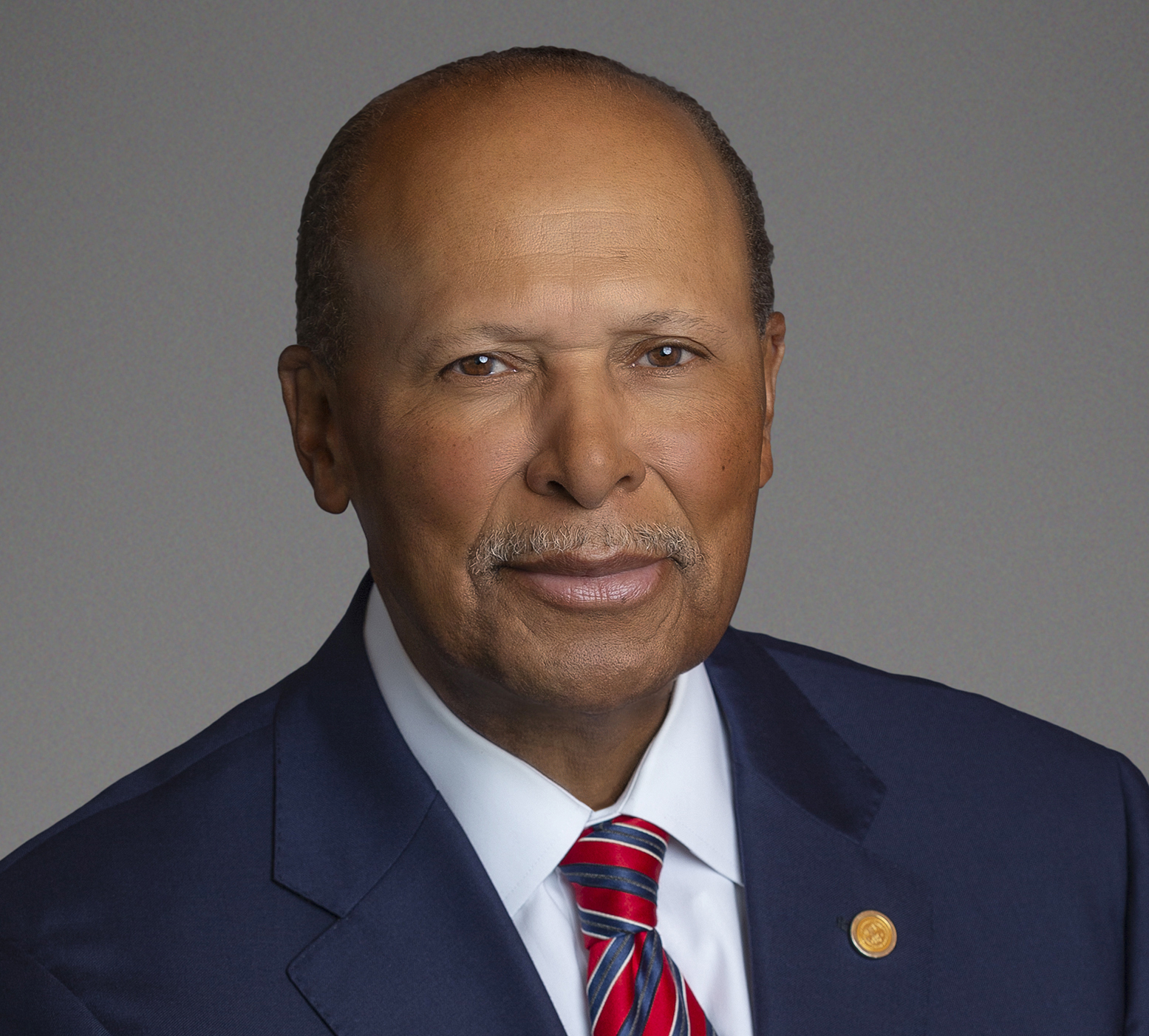
Brother Dr. Antoine M. Garibaldi named President of University of Detroit Mercy in Detroit, Michigan.
Brother Garibaldi was the 25th and third longest-serving president of Michigan's largest Catholic university from June 2011 through June 2022. He was the university's first layperson and first African American president since 1877.
- 2011
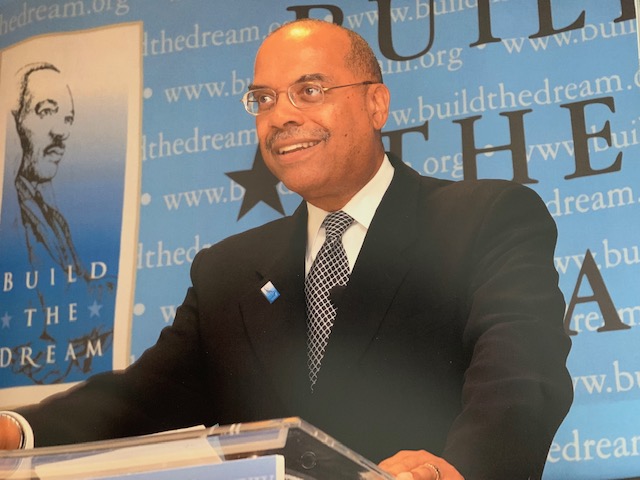
The National Martin Luther King Memorial in Washington, DC was dedicated.
Brother Roderick Gillum served as Chairman of the Board of MLK Memorial Foundation.
- 2013
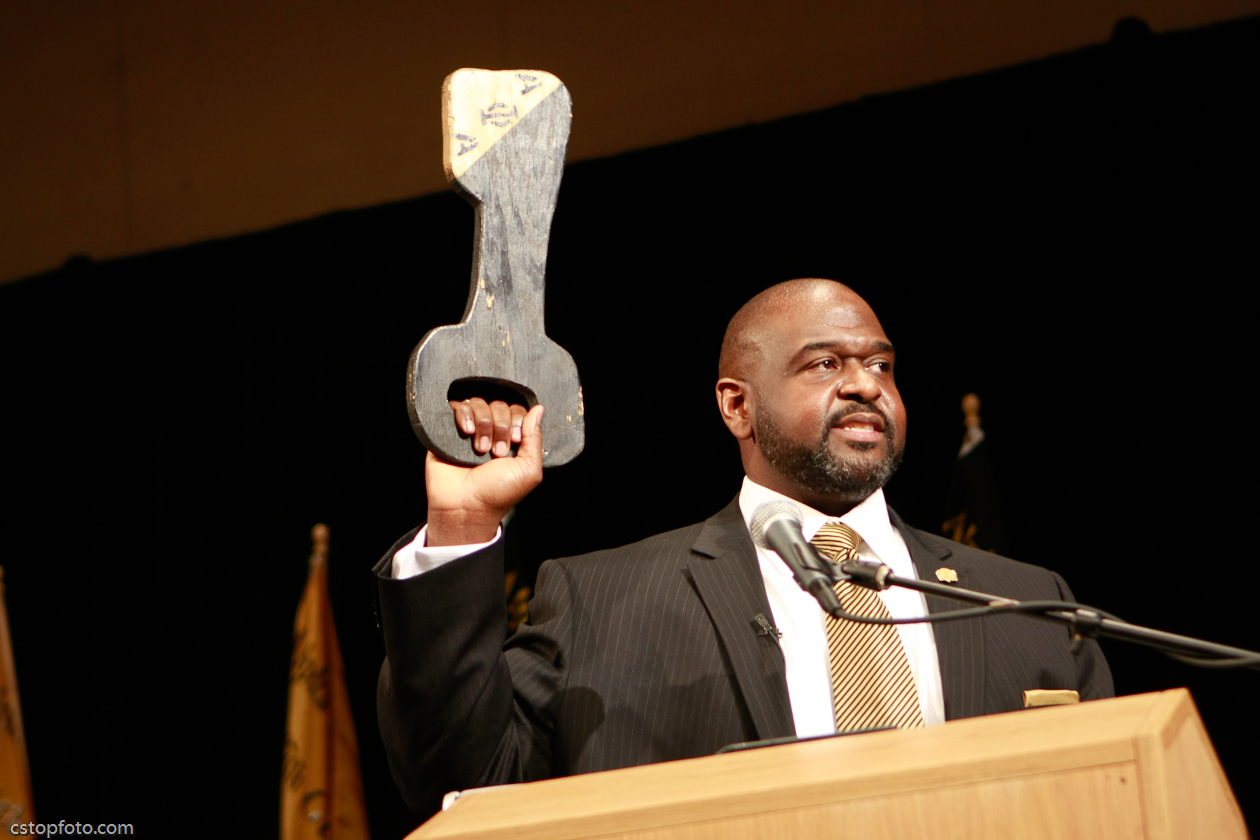
Brother Mark S. Tillman was installed as 34th General President.
Serving from 2013 until 2015, Brother Tillman was the first Gamma Lambda brother elected to this esteemed position.
- 2015
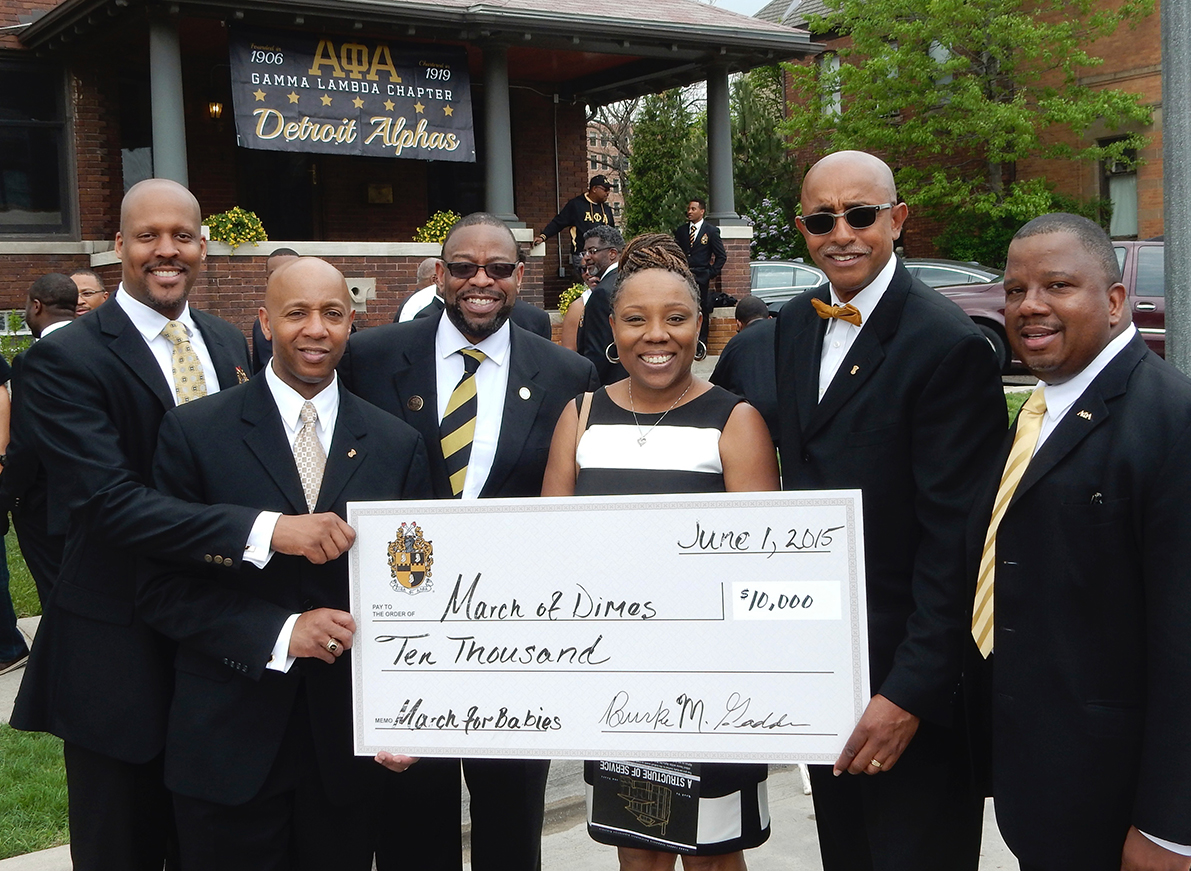
For the first time, Team Gamma Lambda exceeded the fundraising milestone of $10,000 for the March of Dimes March for Babies.
Since 2013, our chapter has raised more than $66,000 for March of Dimes.
- 2015
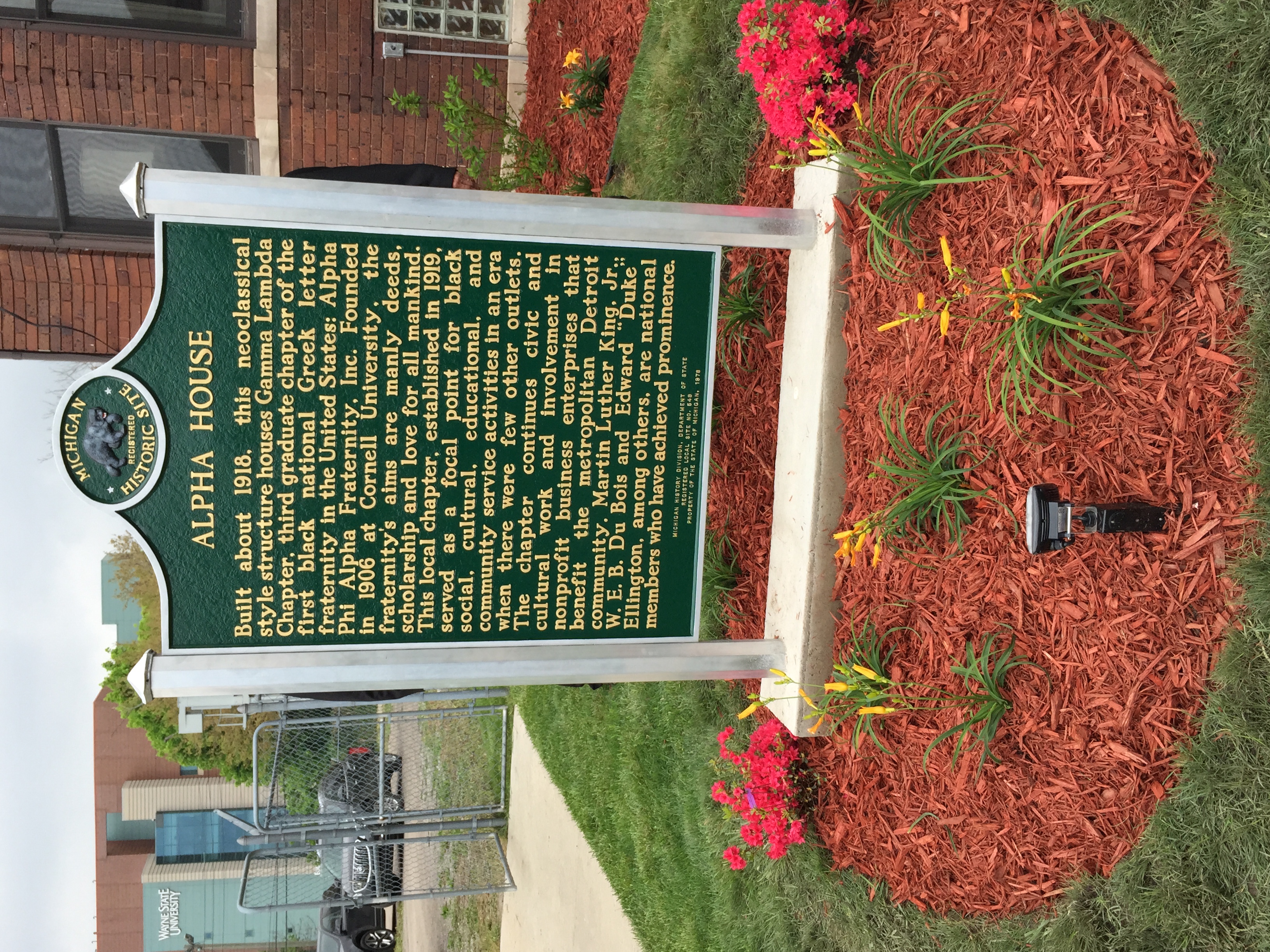
Gamma Lambda unveils new Michigan historical marker.
The unveiling of the new marker at the Alpha House was the kickoff event for the centennial celebration of the chapter. Gamma Lambda received recognition from Brenda Jones, President of the Detroit City Council and from the Michigan Historical Commission.
- 2015
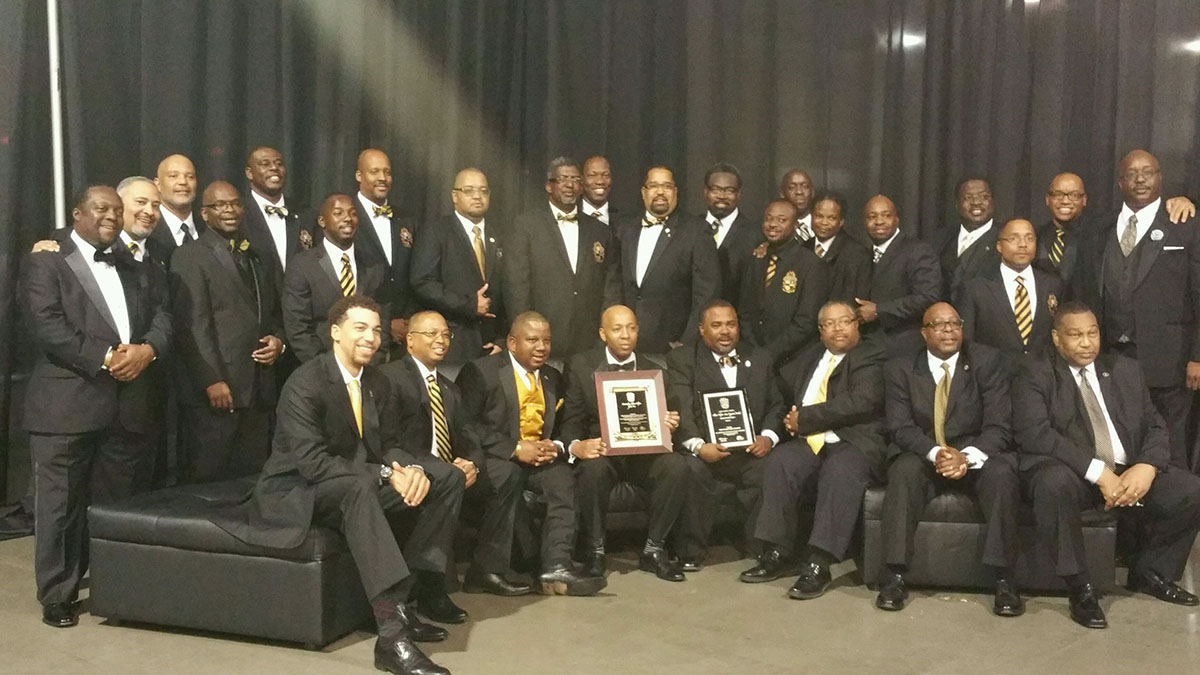
The Gamma Lambda Chapter was awarded 2015 Outstanding Alumni Chapter of the Year.
The chapter was recognized at the 93rd General Convention/109th Anniversary Convention in Charlotte, North Carolina on August 8. Chapter of the Year is one of the most coveted awards in the Fraternity.
- 2017
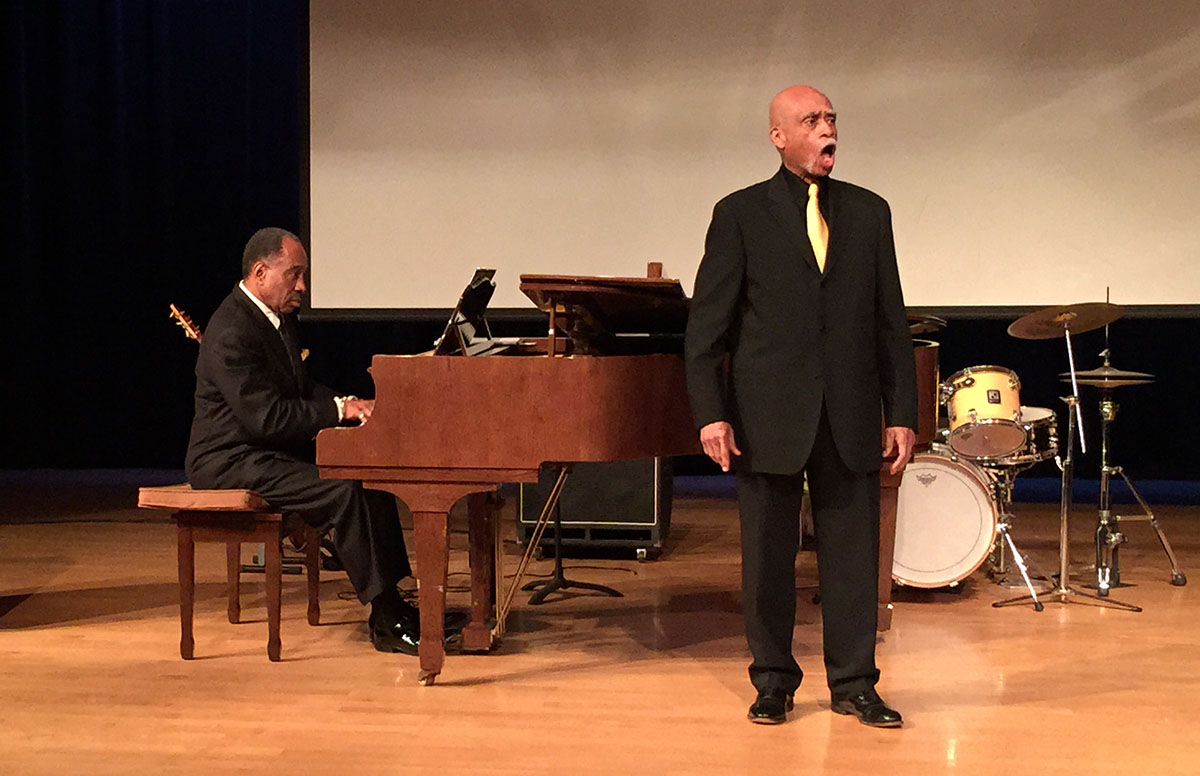
The Musical Voices of Alpha was held.
Held on April 23, 2017 at the Charles H. Wright Museum of African American History, this event featured Brothers George Shirley (Tenor), Stanley Waldon (Accompanist), Darnell Ishmel (Baritone), Marqueal Jordan (Saxophonist), Braxton Davis (Singer) and the Alpha All-Star Band. Brother Donald Snider served as the Master of Ceremonies. The theme was ?It's A Man's World?, celebrating the duet of the soulful music of the legendary James Brown and Italian world-renowned opera singer, Luciano Pavarotti.
- 2017
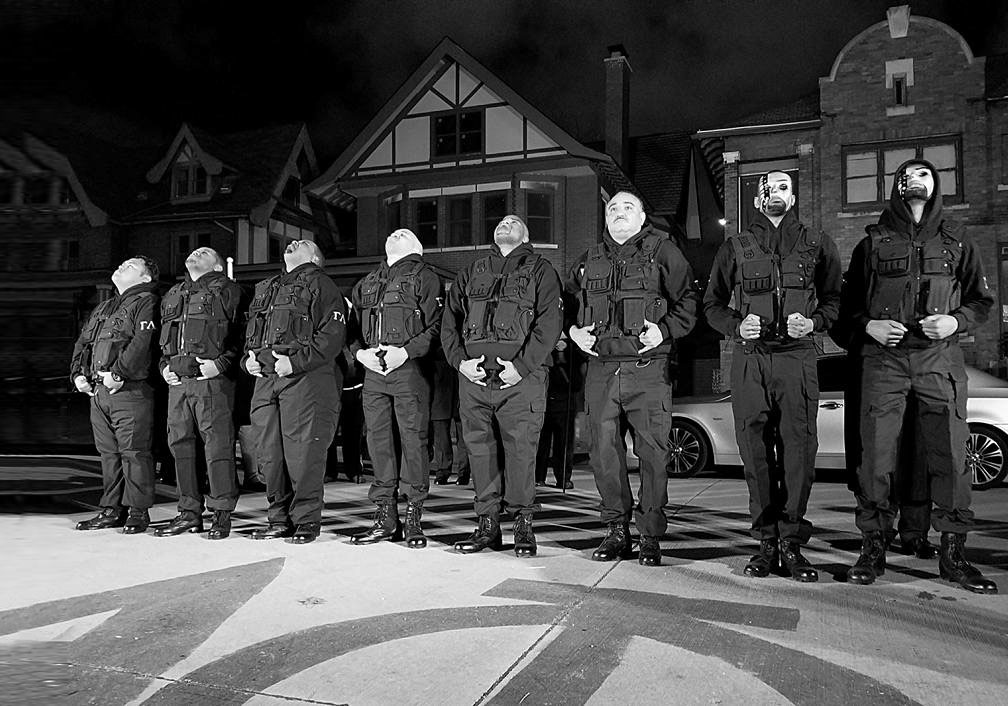
Gamma Lambda held its first Alumni Chapter Probate Show.
This event was the public presentation of Fall 2017 initiates E.L.I.T.E. 8 in front of the Historic Alpha House.
- 2018

Brother William Pickard delivered an exceptional Keynote Address at the Gamma Lambda Founders' Day Celebration
His speech was entitled "The Power of Brotherhood."
- 2019
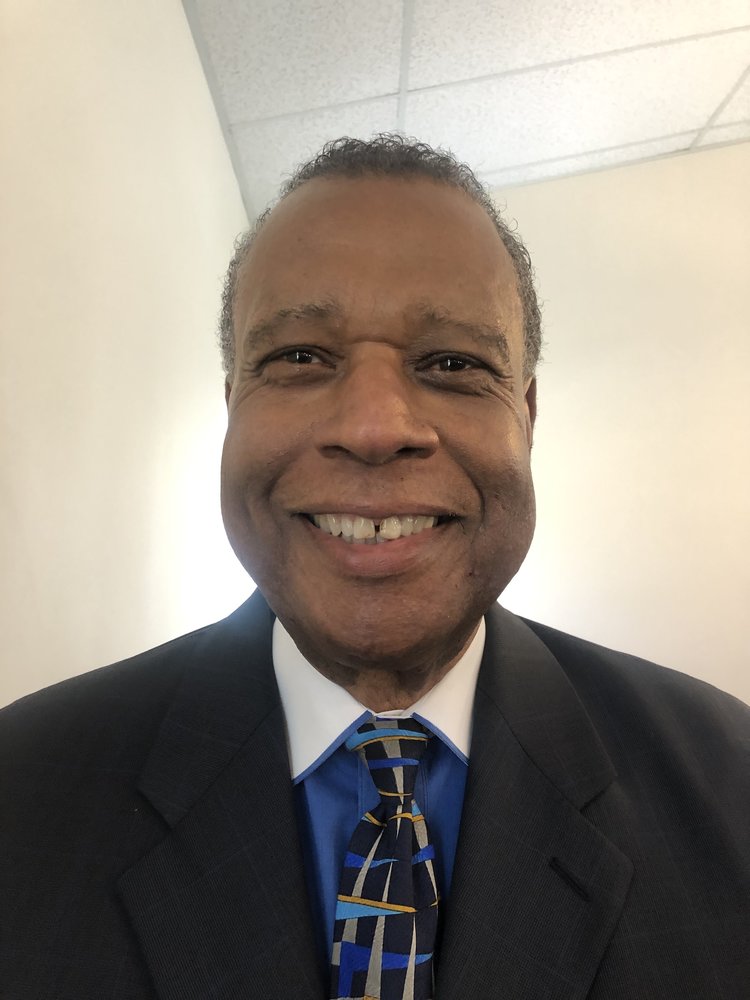
Bro Reginald Armstrong was honored with the Dr. Leonard Sain Distinguished and Esteemed Alumni Award.
University of Michigan's African American Black Alumni Association presented this award for his "outstanding achievements and service in their field of human endeavor."
- 2019
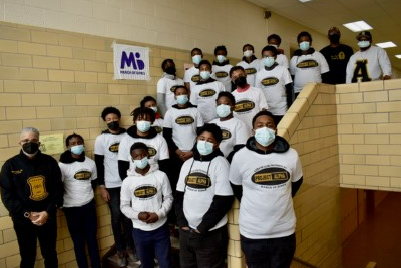
Project Alpha, a national collaboration with the March of Dimes, entered its 40th year.
This collaborative project is designed to provide education, motivation and skill-building on issues of responsibility, relationships, for young males ages 12-15 years. Gamma Lambda is a leading chapter in its success and has worked with more than 300 Detroit-area young men teens in the ninth grade.
- 2019
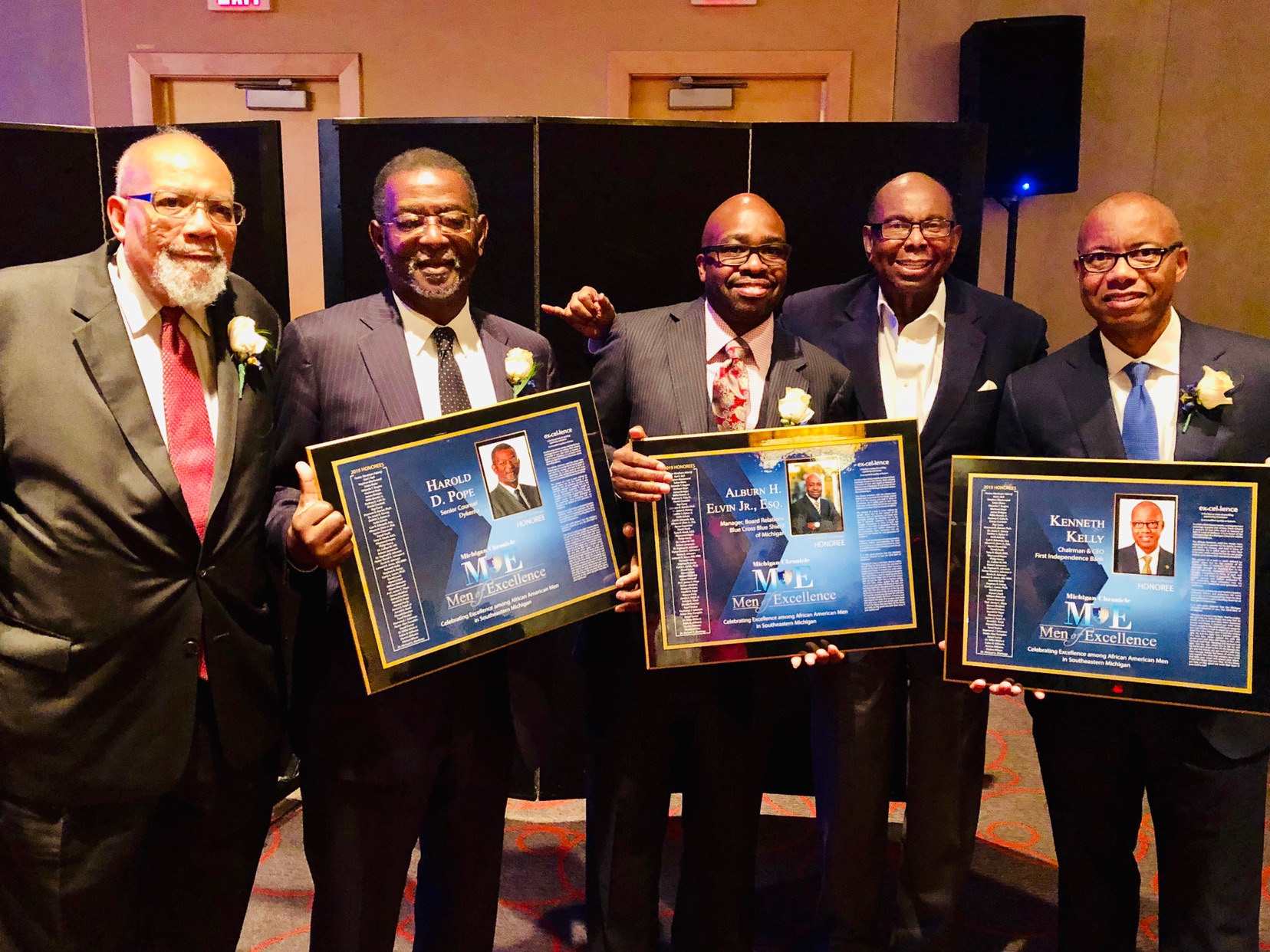
Three Gamma Lambda Brothers were honored as a 2019 Michigan Chronicle Men of Excellence Award Winners.
President Alburn H. Elvin Jr., Esq., Kenneth Kelly, and Harold D. Pope were recognized at the event. This award is presented to community leaders who exemplify professionalism and an extraordinary commitment to their community.
- 2019
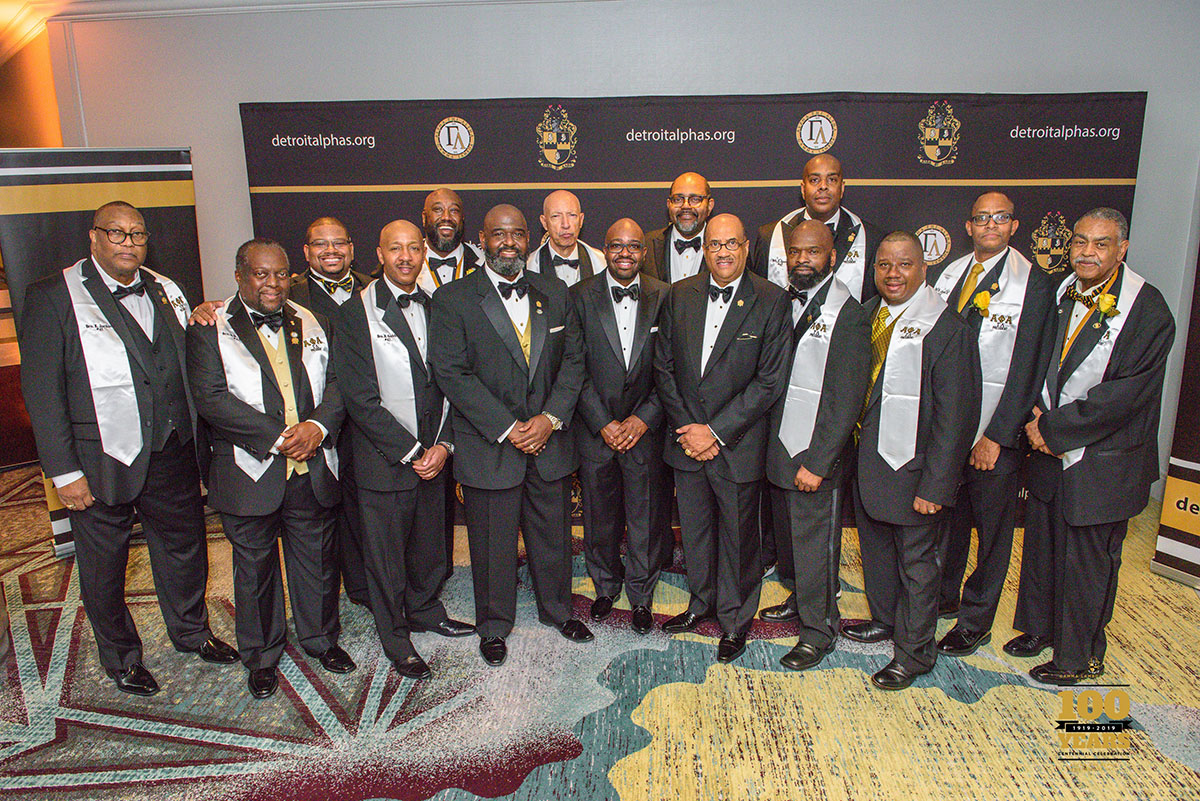
Gamma Lambda celebrated one hundred years of service and advocacy to the Detroit Community.
The Centennial Celebration Gala was held on October 19, 2019 at the Detroit Marriott in the Renaissance Center. More than eight hundred brothers and guests were in attendance.
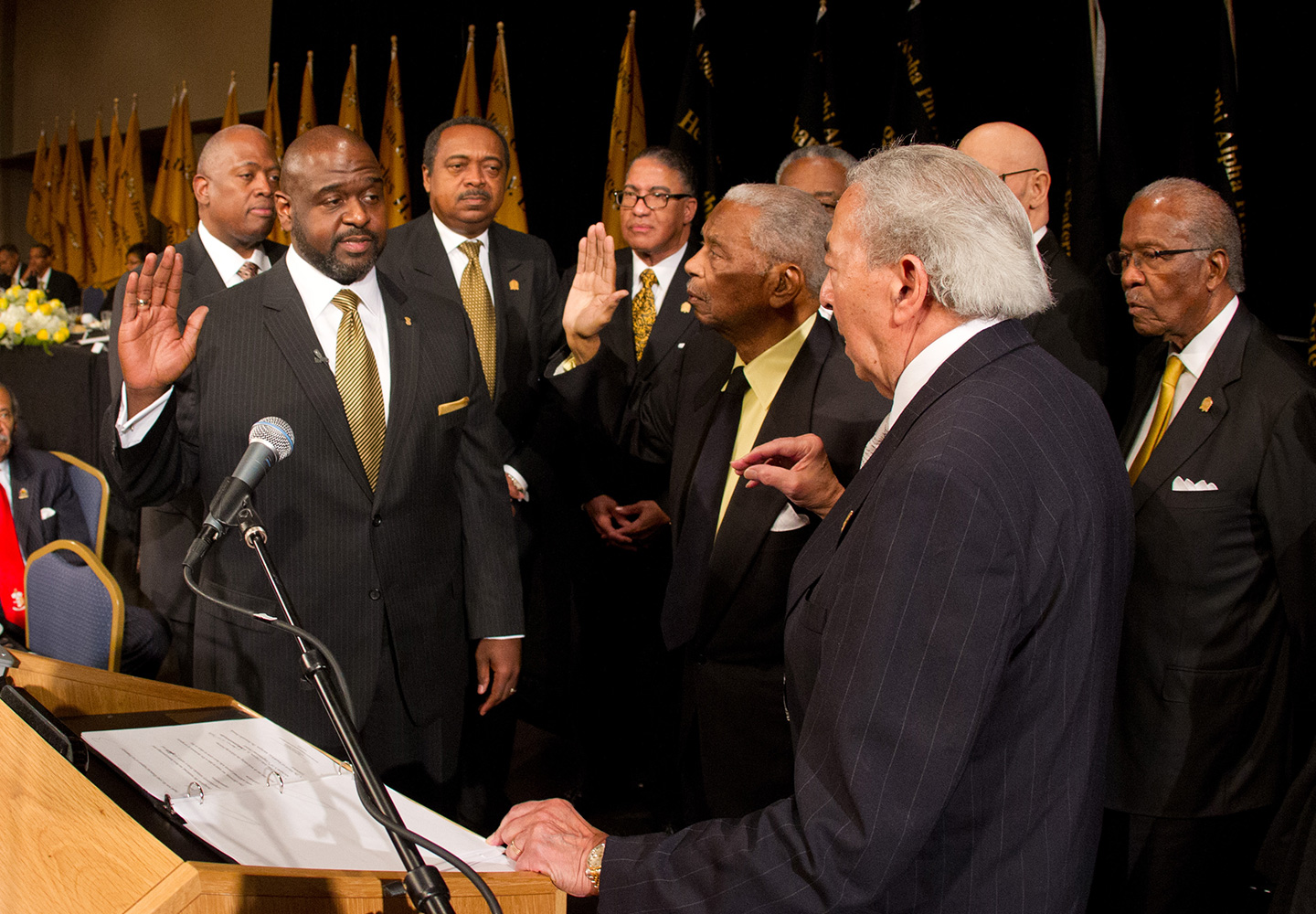
2020s
As the world entered the 2020's, normal society was impacted by the COVID-19 pandemic. Chapter events were limited due to mandated social distancing, but Gamma Lambda found a way to persevere.
We modernized our chapter operations in response to the mandates. Chapter meetings were held virtually for the first time, and elections moved to mobile voting. Our Voteless People is a Hopeless People committee held virtual candidate forums and facilitated online voter registration. We supported Brothers and their families during these challenging times.
- 2021
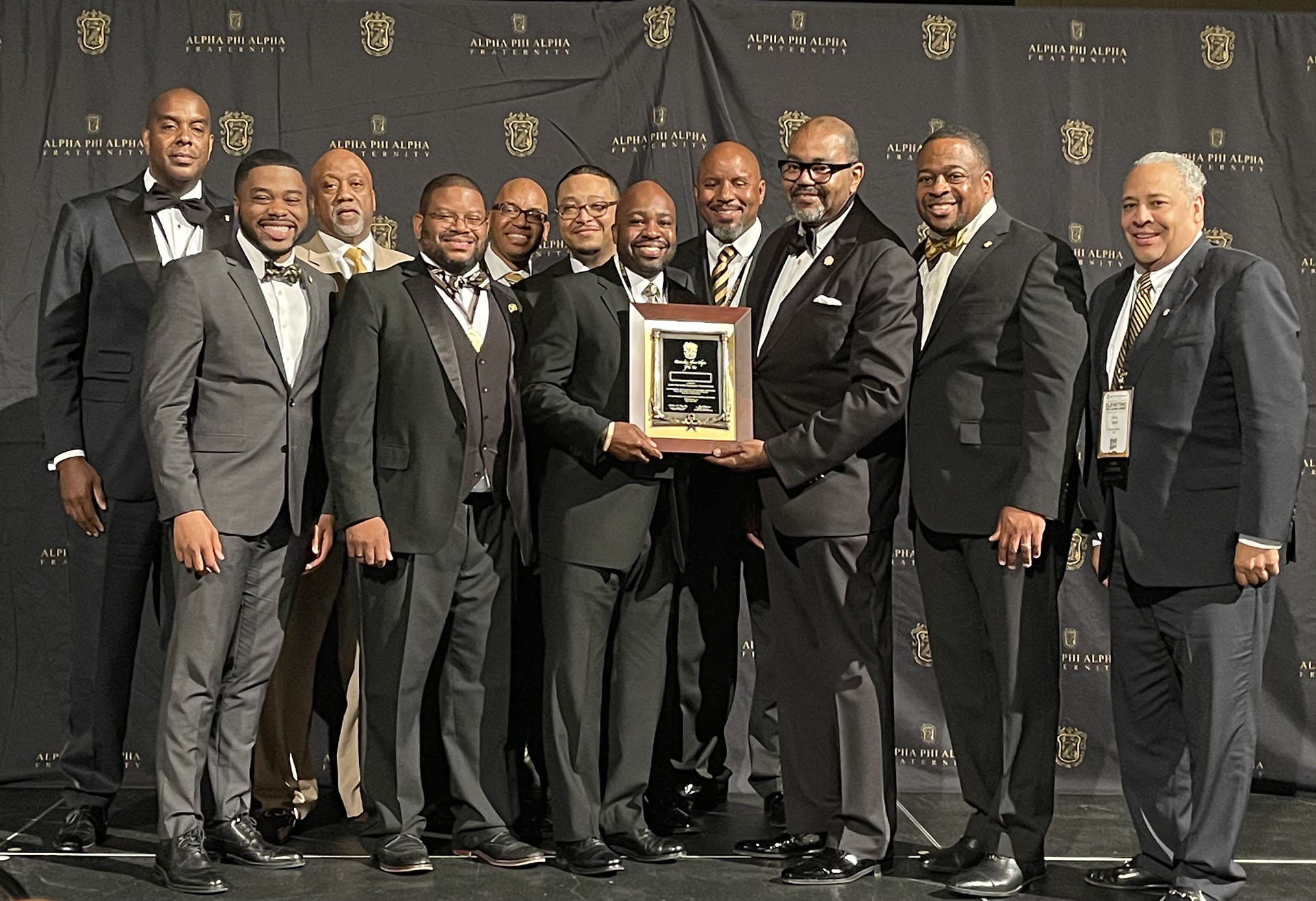
The Gamma Lambda Chapter was named Outstanding Alumni Chapter of the Year.
The chapter was recognized at the 96th General Convention/115th Anniversary Convention in Indianapolis, Indiana on July 17, 2021.
- 2021
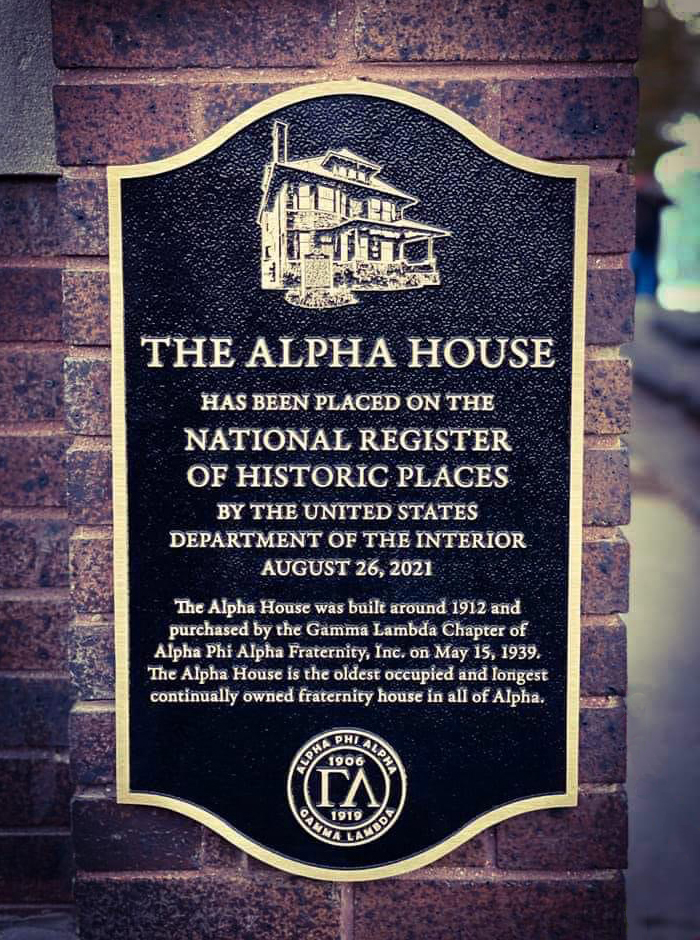
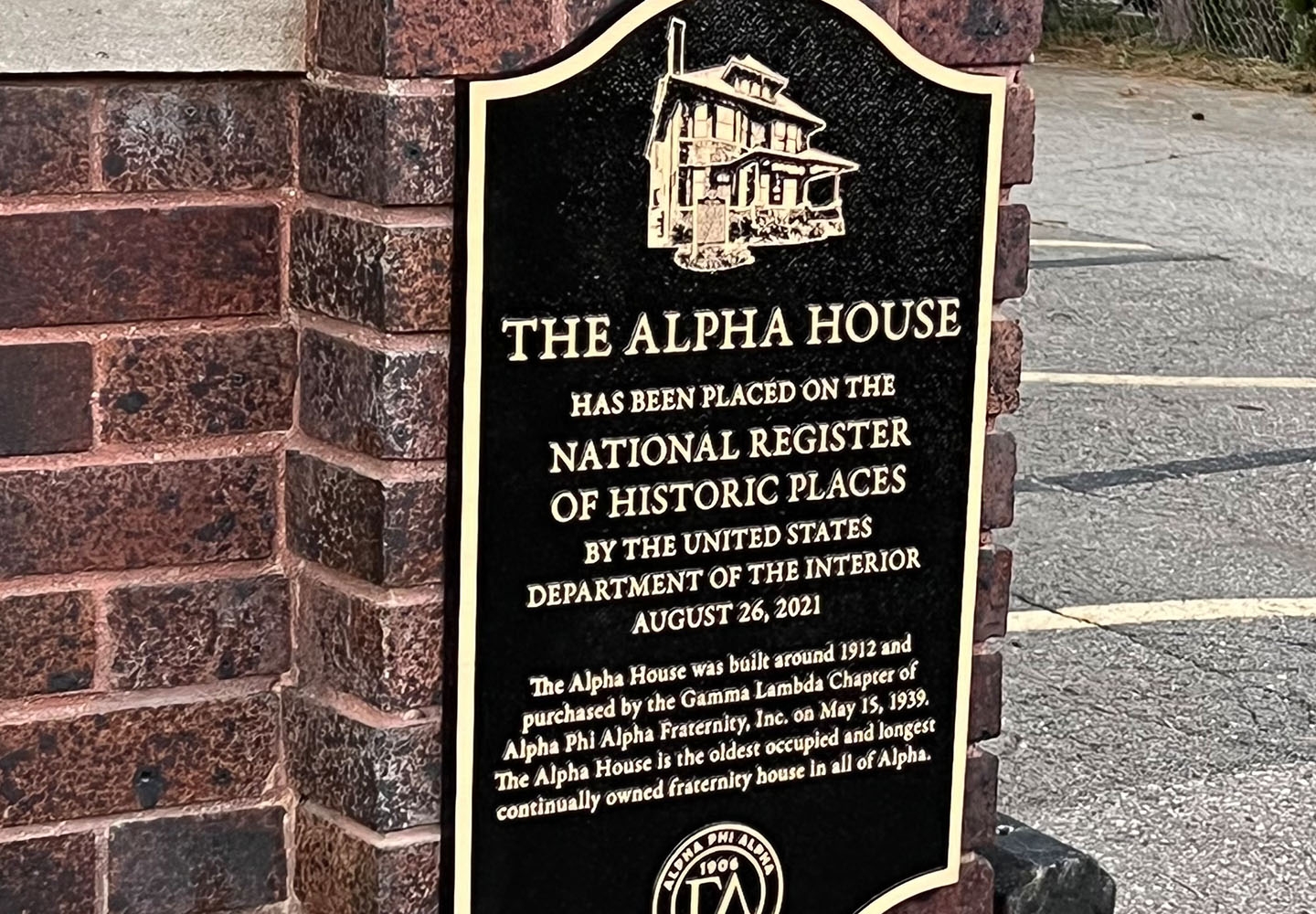
The Historic Alpha House was placed on the National Register of Historic Places
On August 26, 2021, the Alpha House was recognized for its historical significance and role in the cultural and social life of the Detroit Community.
- 2021
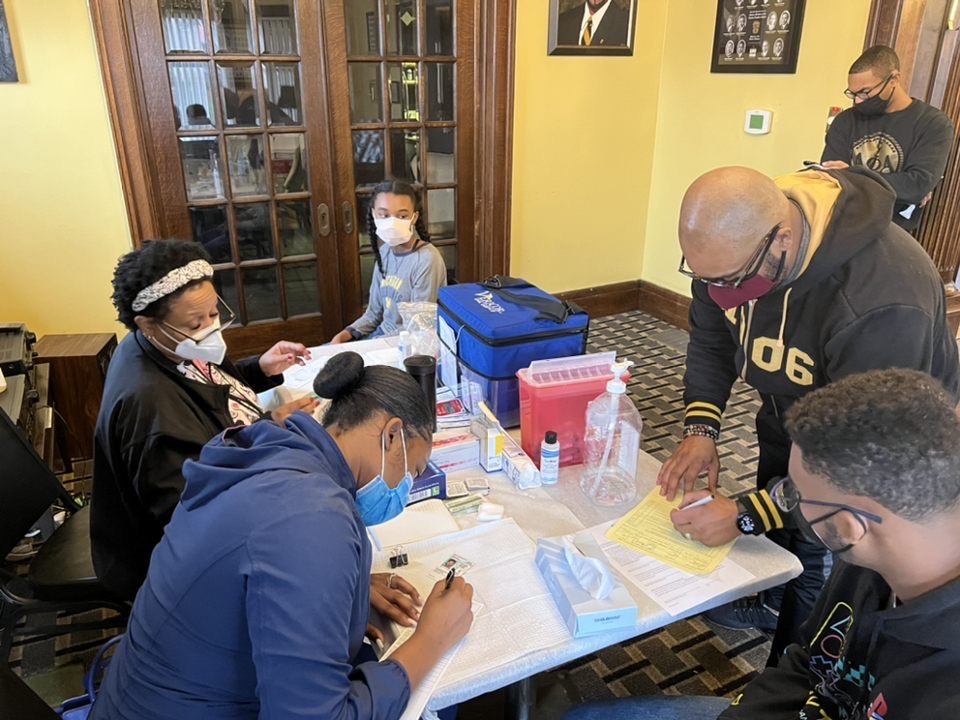
Gamma Lambda held a vaccination clinic at the Alpha House.
In response to the COVID-19 pandemic, Gamma Lambda partnered with the City of Detroit Health Department to host a vaccination clinic for the local community.
- 2022
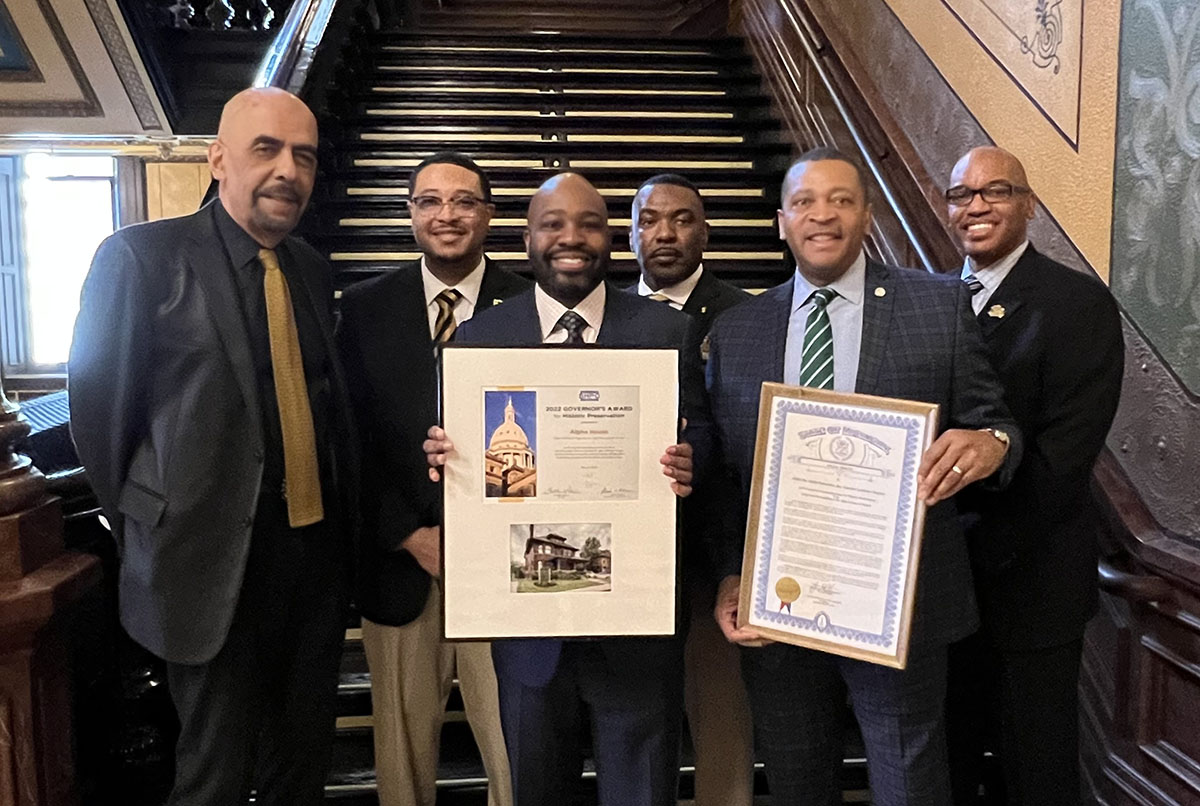
Gamma lambda awarded a 2022 Governor's Award for Historic Preservation.
The Historic Alpha House was one of seven Michigan preservation projects recognized that the event held at the Michigan Capitol in May 2022.
- 2022
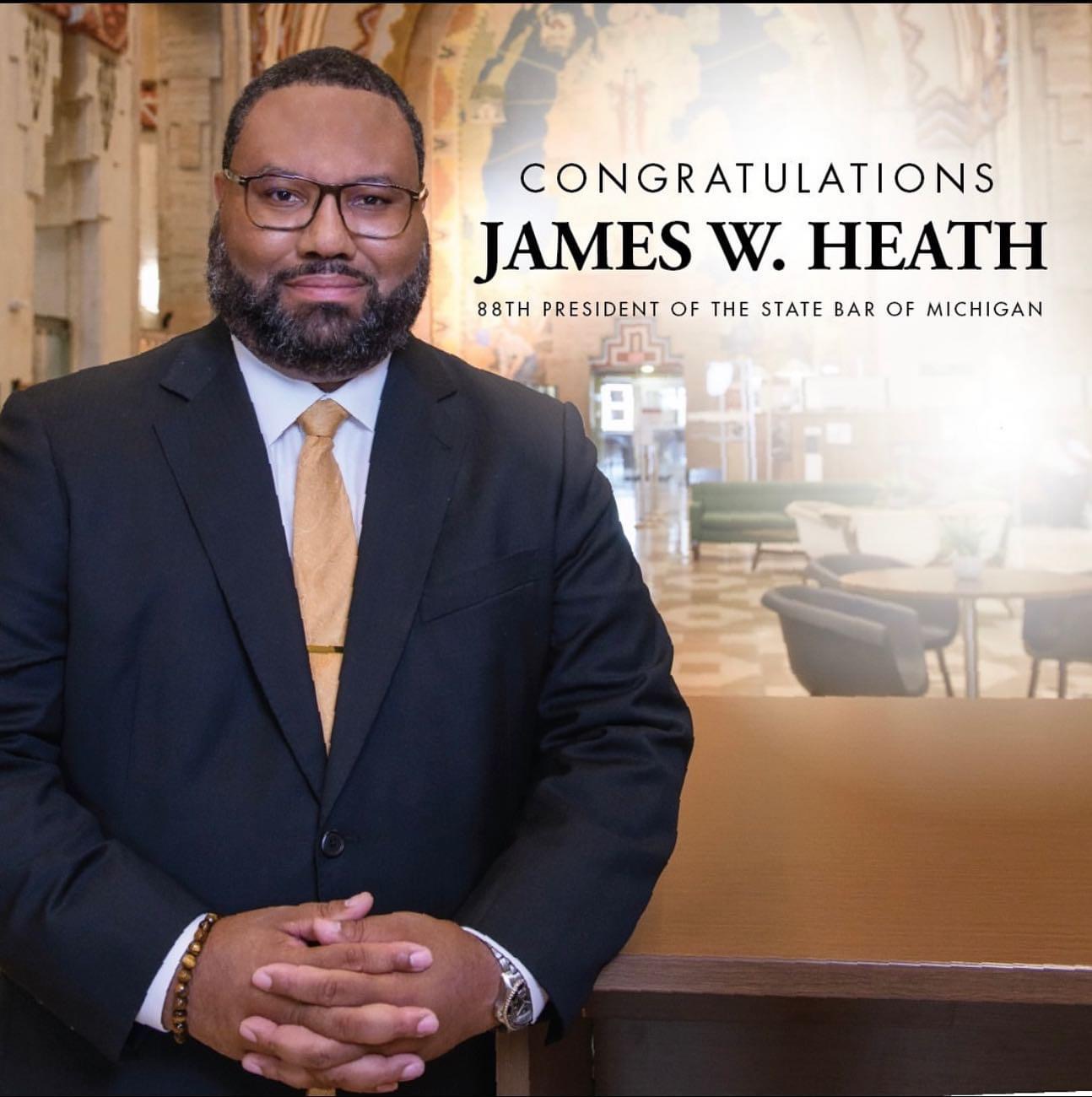
Brother James W. Heath was appointed as the 88th president of the State Bar of Michigan.
Brother Heath was initiated through the Mu Mu Lambda chapter (Chicago, IL) in Fall 1999.
- 2023
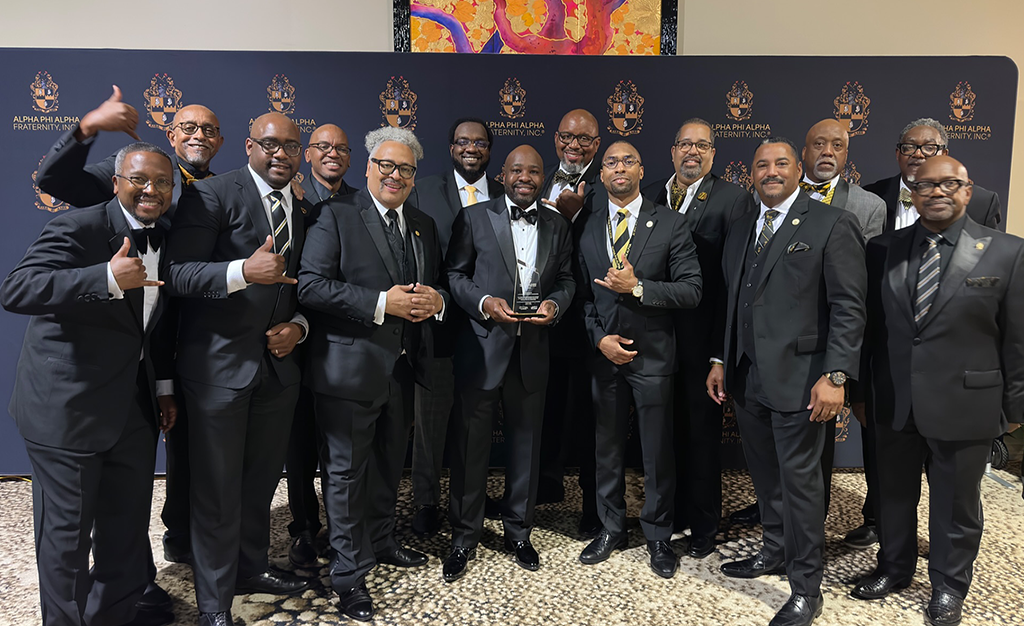
The Gamma Lambda Chapter awarded 2023 Outstanding Alumni Chapter of the Year.
The chapter was recognized at at the 97rd General Convention/117th Anniversary Convention in Dallas, Texas on July 29, 2023.